
Struggling to find a rigid PVC compound that offers consistent strength and performance? The wrong material can lead to product failures and high scrap rate1s, damaging your brand's reputation. High-quality, customized rigid PVC compounds can solve these issues.
Rigid PVC compounds are strong, unplasticized pellets known for high hardness, often measuring between 80-90 on the Shore D scale. [8, 10] They are used for durable applications like pipes, profiles, and bottles due to their excellent rigidity and high Vicat softening point2, ensuring stability at elevated temperatures. [1, 2]
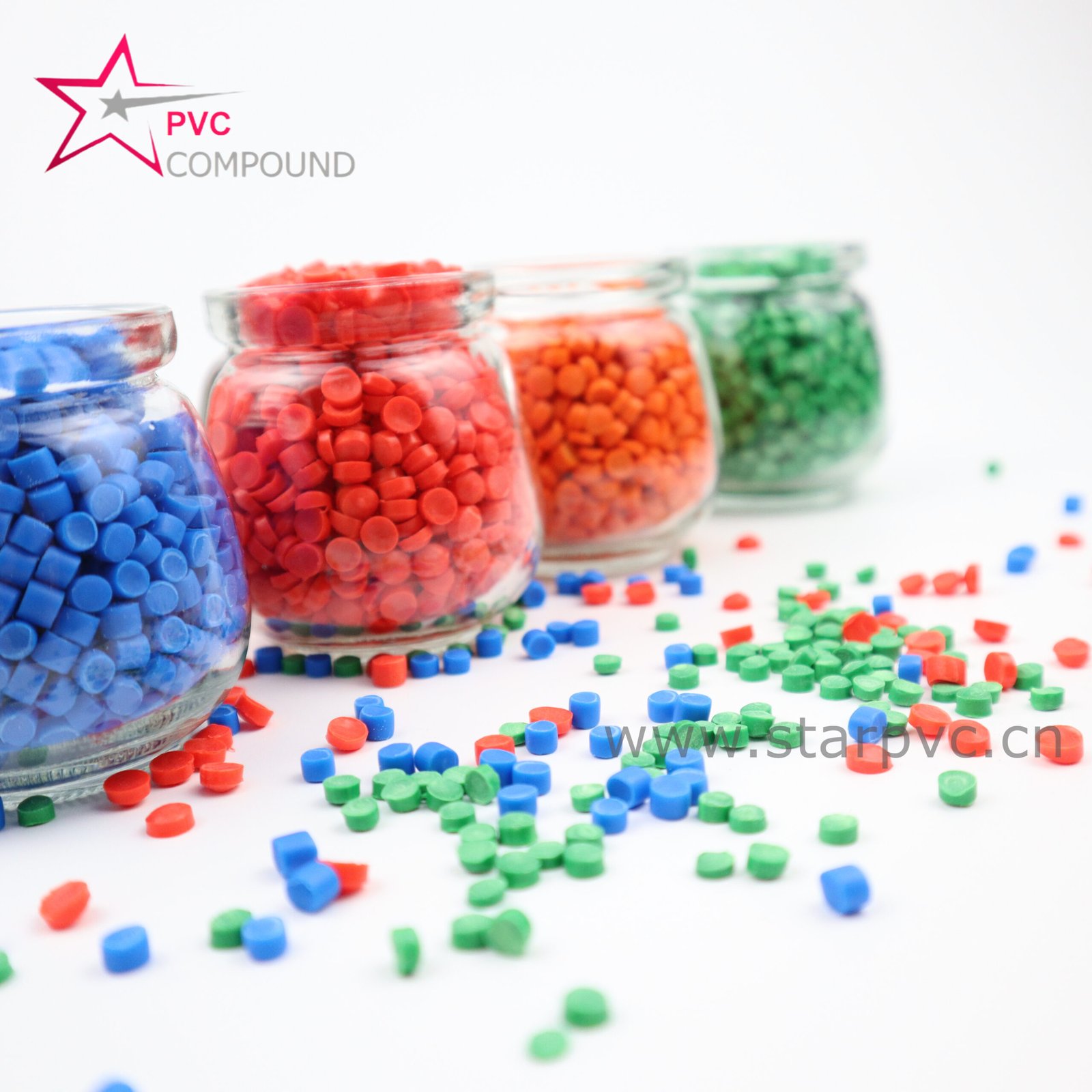
I've been in the PVC compound business for over 15 years, and I’ve seen how the right material can transform a product line. But the world of rigid PVC is more diverse than many think. Its true value lies in its specific properties and how they are tailored for different uses. Let's dive deeper into what makes these compounds so essential and how to choose the perfect one for your needs. This journey is key to unlocking better performance and reliability in your finished products.
What Are the Main Applications for Rigid PVC Compounds?
Are you unsure if rigid PVC is the right material choice for your product line? Choosing the wrong material is a costly mistake that can compromise quality. Let's explore the applications where this versatile and durable compound truly shines.
Rigid PVC compounds are ideal for applications demanding exceptional strength and durability. [3] Common uses include construction materials like pipes, fittings, and window profiles, as well as packaging like cosmetic bottles and shrink films. [4, 5, 9] Their inherent rigidity makes them perfect for structural components3. [6]
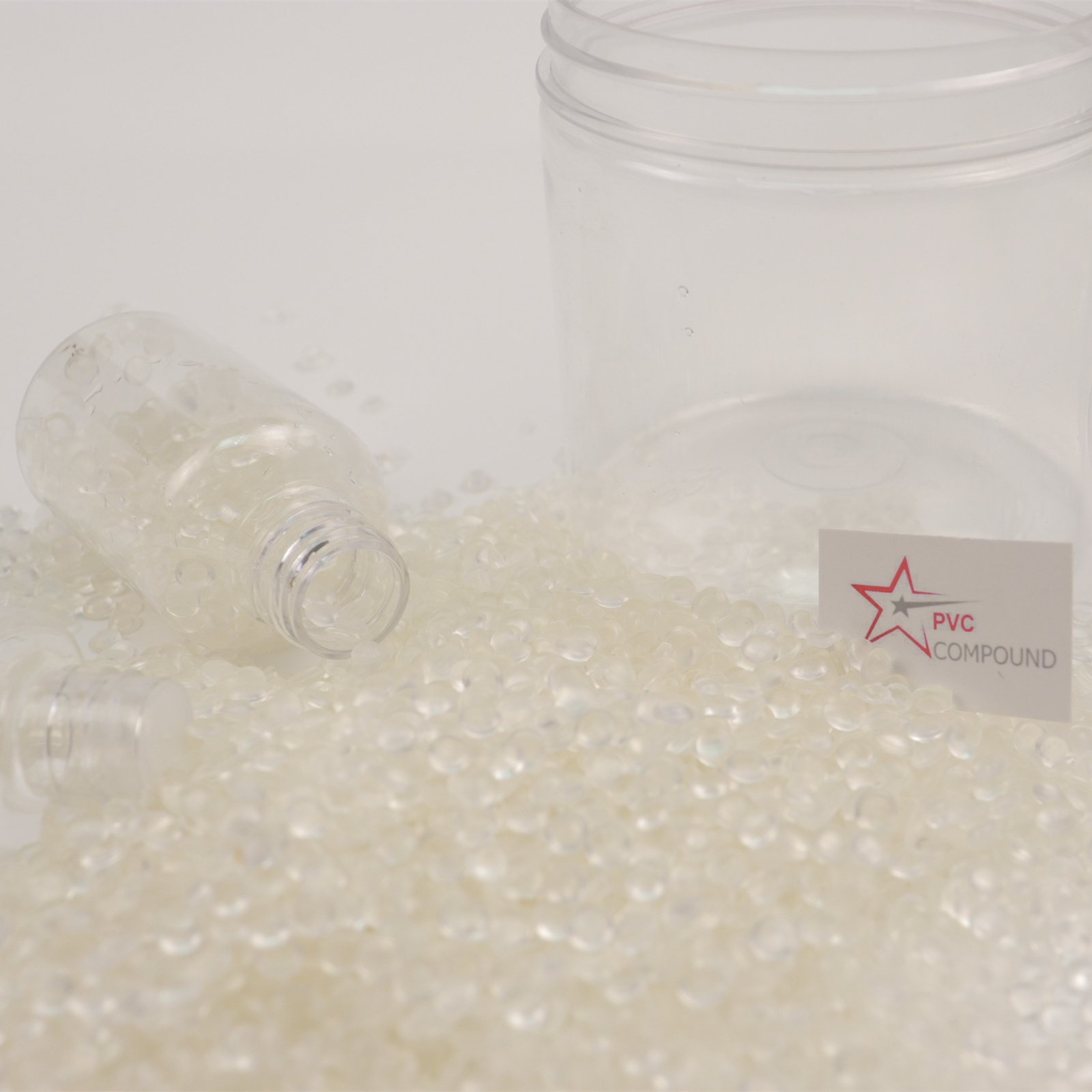
In my experience, the sheer range of applications for rigid PVC is a testament to its versatility. From the infrastructure that supports our buildings to the packaging that protects our daily goods, this material is a quiet workhorse. The ability to formulate it in various colors, or even completely transparent, opens up even more possibilities for designers and engineers. For instance, our transparent rigid PVC is perfect for blow-molded products4 where clarity and strength are essential.
Construction and Industrial Uses
The construction industry heavily relies on rigid PVC for its durability and resistance to environmental factors. [4] It's a go-to material for pipes, fittings, and profiles for doors and windows because it doesn't corrode and withstands weathering effectively. [4, 6] Many formulations are UV-stabilized5 to prevent degradation from sun exposure, ensuring a long service life for outdoor applications. [3, 4] This makes it a cost-effective6 and reliable choice for long-term projects. I've supplied compounds for countless construction projects, and the feedback is always the same: it performs reliably year after year.
Packaging and Consumer Goods
Rigid PVC is also a key player in the packaging industry. We produce special food-grade formulations for transparent, blow-molded items like cosmetic bottles and candle jars. [16] Another unique application is for shrinkable label films, which conform perfectly to a product's shape. [16] Beyond packaging, rigid PVC is used in everyday items like refrigerator seals7 and various electrical components, where its dimensional stability8 and insulating properties are highly valued. [5, 6]
| Application Category | Common Products | Key Required Properties |
|---|---|---|
| Construction | Pipes, Fittings, Window/Door Profiles, Siding | High Impact Strength, UV Resistance, Weatherability |
| Packaging | Cosmetic Bottles, Shrink Films, Containers | Clarity, Chemical Resistance, Dimensional Stability |
| Consumer/Industrial | Electrical Housings, Furniture Trim, Refrigerator Seals | Flame Retardancy, Durability, Good Insulation |
Why Is Vicat Softening Point So Important for Rigid PVC?
Worried about your plastic products deforming under heat? This can lead to functional failure and unhappy customers. The key to preventing this lies in a critical property called the Vicat softening point2, which defines a material's heat resistance.
The Vicat softening point2 is the temperature at which a material begins to soften rapidly under a specific load. [12, 20] A high Vicat point9 is crucial for rigid PVC applications because it ensures the final product maintains its shape and structural integrity, especially when exposed to elevated temperatures. [21, 24]
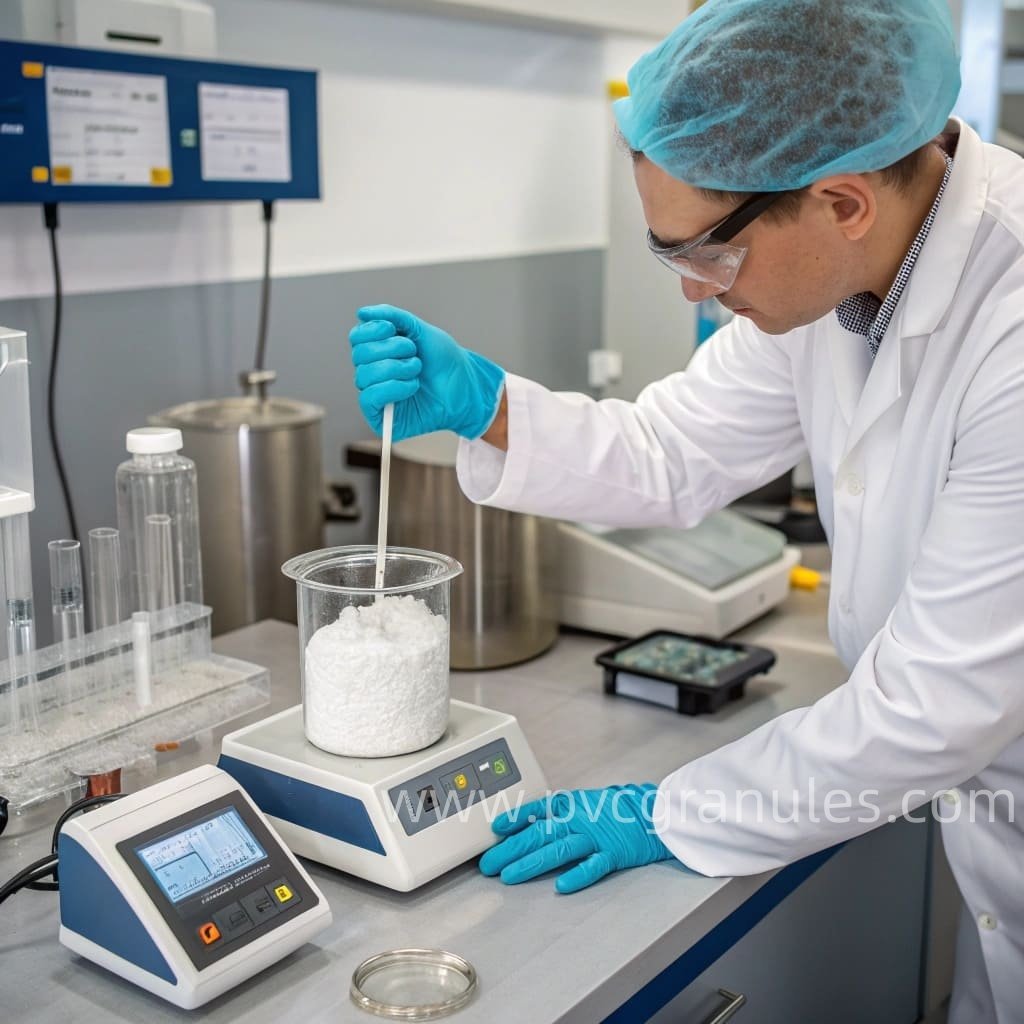
For anyone manufacturing products that will be used outdoors, shipped in hot containers, or exposed to process heat, the Vicat softening point2 is not just a technical specification—it's a promise of reliability. I always tell my clients that focusing on a high and stable Vicat point is one of the best ways to ensure their product's longevity and performance. It directly reflects how the material will behave in the real world, and getting it right is fundamental to quality.
The Link Between Vicat and Performance
Think of the Vicat softening point2 as the upper limit of a product's safe operating temperature. [21] For rigid PVC, which is often used in structural applications, maintaining shape is critical. A compound with a low Vicat point might look fine at room temperature but could warp or fail if used for a hot water pipe or a dark-colored window frame exposed to direct sunlight. [21] A higher Vicat temperature means the material has better thermal stability, which translates to a more durable and reliable end product. [24] In our manufacturing, we ensure Vicat stability is within ±2°C, guaranteeing consistent performance from batch to batch.
High Vicat for Demanding Applications
The required Vicat temperature depends entirely on the end use. For example, standard rigid PVC used for indoor applications may have a Vicat point around 80°C to 100°C. [2] However, for high-performance applications, such as industrial pipes carrying warm fluids or building profiles in hot climates, a higher Vicat point is necessary to prevent deformation. [21] Producing compounds with a consistently high Vicat point9 requires precise formulation and quality control. We often work with clients to develop high-Vicat formulations that ensure their products exceed industry standards for heat resistance and strength.
How Can You Customize Rigid PVC Compounds for Your Specific Needs?
Are off-the-shelf compounds failing to meet your exact product requirements? This often forces compromises in quality and performance. The solution is a tailored formulation, engineered specifically for your application and machinery, ensuring optimal results every time.
Customization involves adjusting the PVC formulation's additives—like stabilizers, lubricants, and fillers—to achieve specific properties. [13, 19, 22] This includes modifying hardness, color, rigidity, and the Vicat softening point2. By providing details about your finished product and equipment, a supplier can create a unique compound for peak performance. [18]

This is where my team and I truly excel. I see us not just as a supplier, but as a partner in our clients' manufacturing process. A purchasing director once came to me with a problem: their current compound was causing issues on their high-speed extrusion line, leading to defects. We took down all the details—their machine specifications, desired output speed, and the end product's exact requirements. Our engineers, who have over 20 years of experience, developed a new formulation with an optimized lubricant package. The result was a smoother process, a higher-quality finish, and a significant reduction in their scrap rate1. This is the power of one-on-one customization.
The Customization Process
A successful custom formulation10 is built on collaboration and expertise. [19] The process should be straightforward and focused on solving your specific challenges.
- Consultation: It starts with a deep dive into your needs. We discuss the end product, its application environment, the type of machinery you use (extrusion, injection molding11, etc.), and your target physical properties like specific gravity and impact strength. [22]
- Formulation Design: Our experienced engineers take this information and design a specific recipe. They select the right PVC resin, stabilizers, modifiers, and other additives to create the perfect balance of properties and processability. [22]
- Testing and Validation: Before mass production, we test the new compound on our own in-house injection and extrusion machines. This allows us to verify its performance and make any necessary adjustments, ensuring it will run perfectly on your equipment.
- Production and Support: Once the formulation is approved, we move to full-scale production, maintaining strict quality control to ensure batch-to-batch consistency.
Key Parameters for Customization
Tailoring a compound means adjusting multiple variables to hit a precise target. [13] Here are the most common parameters we modify to meet client needs.
| Parameter | Why It's Customized | Example Application |
|---|---|---|
| Hardness (Shore D) | To match the required rigidity and impact resistance of the final product. | A heavy-duty industrial pipe fitting needs a higher Shore D value than a decorative trim piece. |
| Vicat Softening Point | To ensure the product maintains its shape in its end-use thermal environment. | An outdoor window frame exposed to the sun requires a higher Vicat point than an indoor electrical conduit. |
| Color & Transparency | To meet aesthetic design requirements or functional needs like visibility. | Creating crystal-clear cosmetic bottles versus opaque, color-coded pipes for plumbing. |
| Specific Gravity | To control the final product's weight, density, and material cost. | Optimizing for a lightweight profile to reduce shipping costs or a dense component for stability. |
Because our engineers have such deep experience, the satisfaction rate for our custom rigid PVC compound12s is nearly 100%.
What Makes a Rigid PVC Compound Supplier Reliable?
Have you been let down by inconsistent quality or late deliveries from a supplier? These issues disrupt your production schedule and hurt your bottom line. A truly reliable partner offers much more than just raw material; they provide consistency, support, and peace of mind.
A reliable rigid PVC supplier guarantees consistent quality through rigorous testing and international certifications like ISO 9001. They also provide strong technical support, a stable supply chain, and the flexibility to meet your specific formulation and volume needs, ensuring your production runs without interruption.
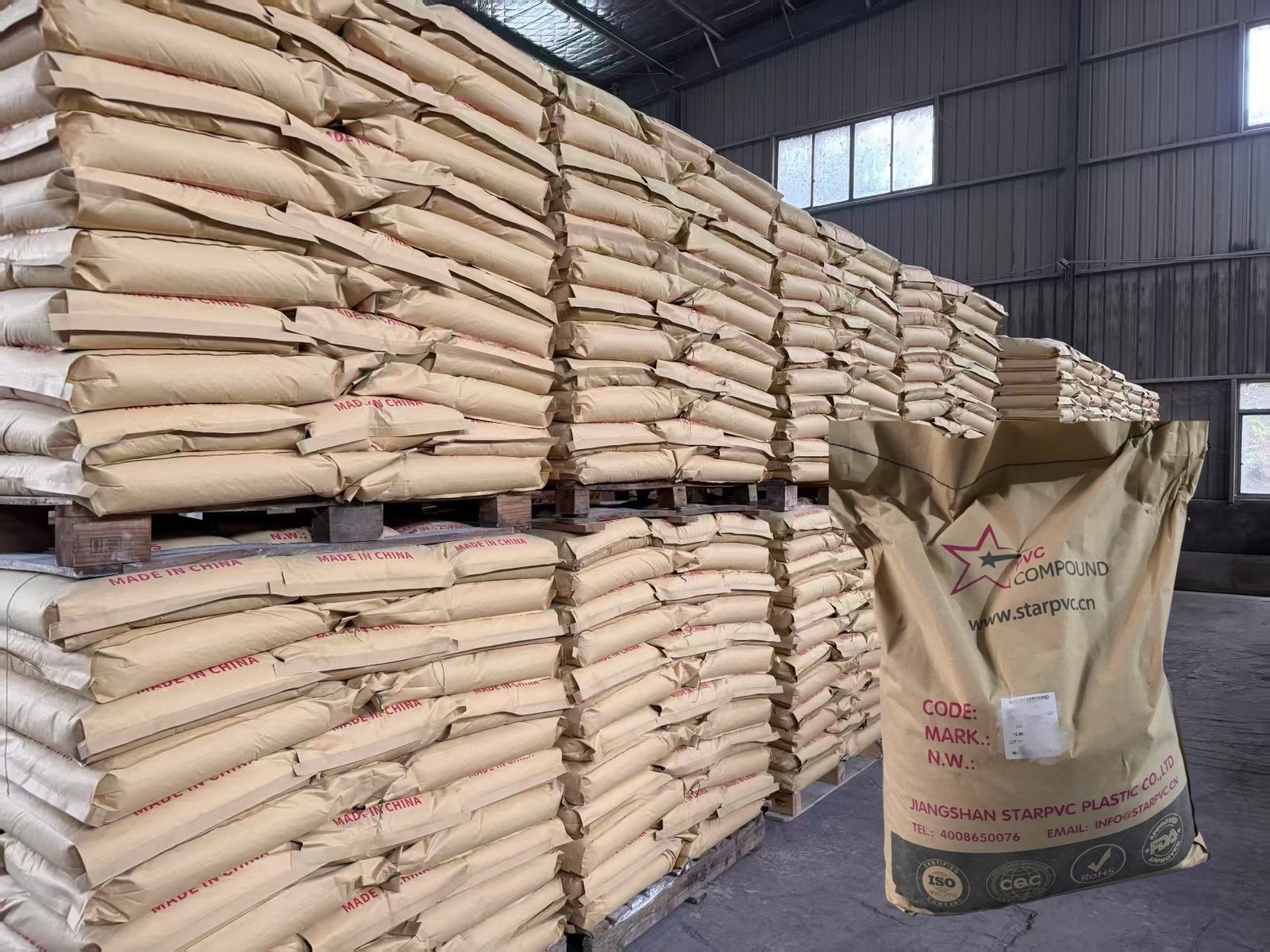
Over my 15+ years of exporting PVC compounds to over 50 countries, I've learned that trust is the most important thing we build. Our clients—often purchasing directors managing multi-million dollar procurement budgets—can't afford uncertainty. They need to know that every batch will perform exactly like the last and that deliveries will arrive on time. That's why we've built our entire operation around reliability, from the raw materials we source to the dedicated technical support we provide for every single client. This commitment is what turns a simple transaction into a long-term partnership.
The Foundation of Quality Control
Consistency doesn't happen by accident. It is the result of a systematic and strict quality assurance process.
- Raw Material Inspection: We start by rigorously screening our suppliers. All incoming raw materials must comply with RoHS and REACH standards and meet our internal requirements for physical and chemical properties.
- Precision Manufacturing: Our 15 modern production lines use automated dosing systems to ensure formula accuracy. Continuous extrusion and pelletizing result in uniform granules (≥95% uniformity) with low moisture content (≤0.3%).
- Performance Testing: We don't just inspect; we test. Every batch undergoes performance checks. We ensure tensile strength is improved by 30%, Vicat softening point2 is stable within ±2°C, and color difference (ΔE) is kept below 1.0. We even run the granules on our own injection and extrusion machines to simulate downstream production.
- Certification: Our commitment to quality is verified by third parties, including ISO 9001, ISO 14001, and SGS certifications.
Production Capacity and Flexibility
A reliable supplier must be able to meet your demands, whether they are large or small. With an annual capacity of 60,000 tons, we can handle high-volume orders for global brands. At the same time, we understand that our clients need flexibility. That's why we support minimum order quantities starting at just 500 kilograms and offer a 7-15 day delivery cycle. This agility helps our customers respond quickly to market changes without having to hold excessive inventory.
Global Reach and Technical Support
Serving clients in over 50 countries has taught us the importance of understanding global compliance and providing robust technical support. Our products meet international standards like RoHS, REACH, and FDA. More importantly, when you have a technical question or need help optimizing a formula, our experienced engineers are here to provide one-on-one guidance. This direct access to expertise is a core part of our service and ensures you get the most out of our materials.
Conclusion
Rigid PVC is a strong, versatile material ideal for many applications. Its performance hinges on key properties like the Vicat point, and the best results come from custom formulation10s from an experienced supplier.
Understanding scrap rates can help you optimize production and reduce waste. ↩
Understanding the Vicat softening point can help ensure your products maintain integrity under heat. ↩
Discover the role of rigid PVC in construction and its benefits for structural integrity. ↩
Explore the applications of blow-molded rigid PVC and its advantages in packaging. ↩
Explore how UV stabilization can extend the lifespan of PVC products exposed to sunlight. ↩
Explore the economic benefits of using rigid PVC in various applications. ↩
Learn about the role of rigid PVC in household items and its performance benefits. ↩
Find out how dimensional stability affects the performance of PVC products in various environments. ↩
Discover how a high Vicat point contributes to the durability of PVC products. ↩
Learn how custom formulations can be tailored to meet specific application needs. ↩
Discover the advantages of using rigid PVC in injection molding for various products. ↩
Explore the advantages of rigid PVC compounds for enhanced product performance and durability. ↩
