
Finding the right PVC granules supplier can make or break your pipe fitting business. Poor quality materials lead to product failures, customer complaints, and lost profits.
Rigid PVC granules1 (UPVC compounds) are unplasticized polyvinyl chloride2 resins mixed with additives through extrusion and granulation processes. These specialized compounds provide the strength and durability needed for high-performance pipe fittings that meet international standards.

After 15 years in PVC compound manufacturing, I've seen too many businesses struggle with inconsistent raw materials. Let me share what really matters when choosing your PVC granules supplier.
What Makes Rigid PVC Granules Different from Standard PVC?
Many manufacturers confuse rigid PVC with regular PVC compounds. This confusion costs them dearly in production quality and customer satisfaction.
Rigid PVC granules1 contain no plasticizers, making them harder and more durable than flexible PVC. They maintain structural integrity under pressure and temperature variations, essential for pipe fitting applications3.

Key Properties That Define Quality Rigid PVC Granules
The difference between good and exceptional rigid PVC granules lies in precise formulation control. At our facility, we monitor every aspect of production to ensure consistency.
Our rigid PVC compounds typically achieve:
- Specific gravity: 1.35-1.45 g/cm³ for optimal strength-to-weight ratio
- Tensile strength: 45-55 MPa minimum for structural reliability
- Vicat softening point4: 75-85°C for temperature resistance
- Impact strength: 3-8 kJ/m² depending on application requirements
| Property | Standard Range | Our Achievement | Testing Method |
|---|---|---|---|
| Tensile Strength | 40-50 MPa | 45-55 MPa | ISO 527 |
| Elongation at Break | 15-25% | 20-30% | ISO 527 |
| Vicat Softening Point | 70-80°C | 75-85°C | ISO 306 |
| Impact Strength | 2-6 kJ/m² | 3-8 kJ/m² | ISO 179 |
These specifications aren't just numbers on paper. Each batch undergoes rigorous testing in our laboratory before shipment. We even run injection molding and extrusion tests to simulate real production conditions.
How Do You Choose the Right PVC Granules Manufacturer?
Selecting the wrong supplier can destroy months of business planning. I've witnessed companies lose major contracts due to material inconsistencies.
Look for manufacturers with extensive pipe fitting experience, comprehensive quality certifications, and proven track records. The best suppliers offer customized formulations5 based on your specific equipment and product requirements.
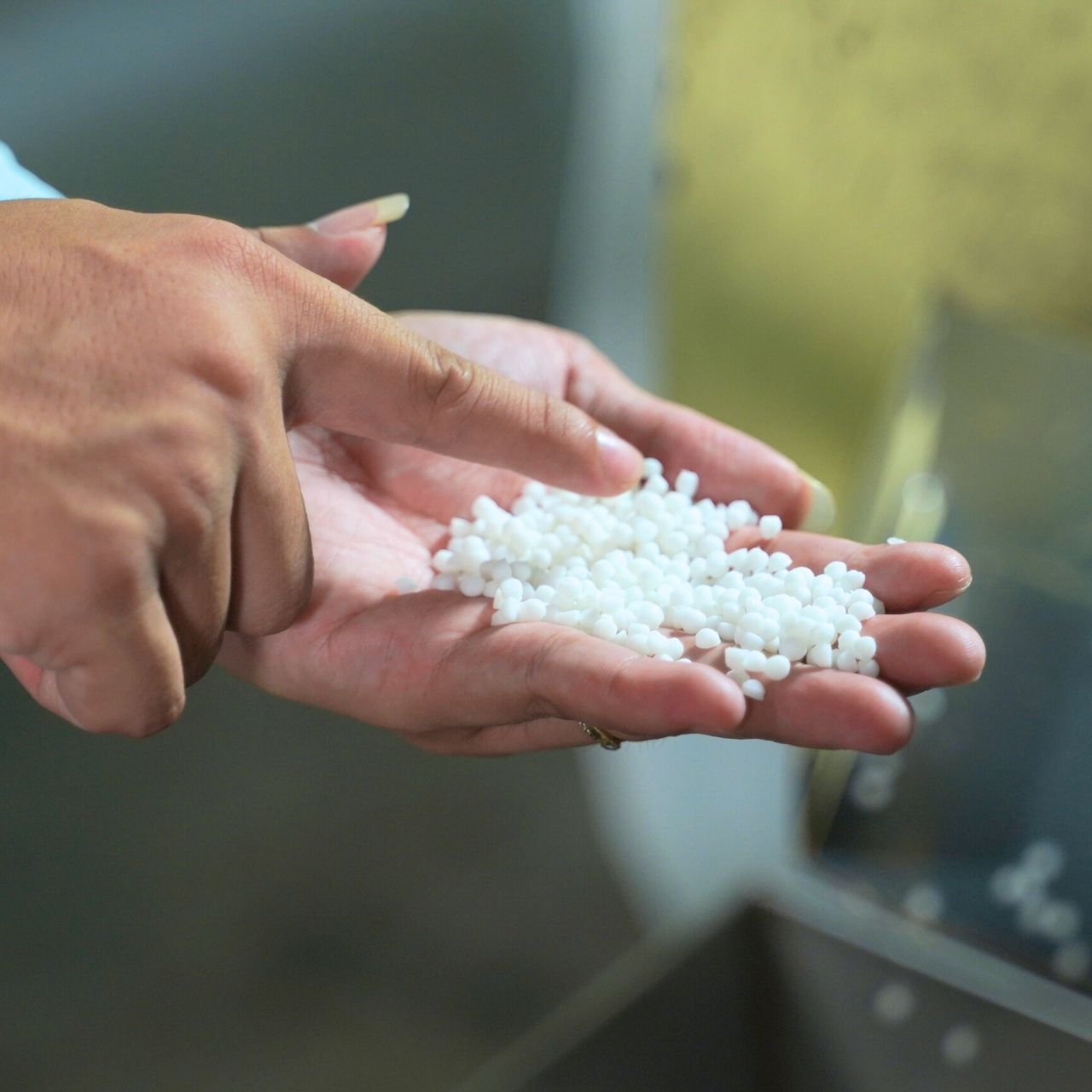
Essential Qualifications Your Supplier Must Have
Experience matters more than fancy marketing materials. Our engineering team includes former pipe fitting manufacturers who understand both sides of the business.
Manufacturing Credentials:
- ISO 90016, ISO 14001, and OHSAS 18001 certifications
- RoHS, REACH, FDA, and NSF compliance for international markets
- Minimum 10 years of rigid PVC compound production experience
- In-house testing laboratory with advanced analytical equipment
Production Capabilities:
- Multiple production lines for consistent supply
- Batch-to-batch consistency with ≤2°C Vicat variation
- Color matching accuracy within ΔE≤1.0
- Moisture content control ≤0.3%
The real test comes during technical discussions. Can they explain formulation adjustments for different processing conditions? Do they understand how calcium carbonate loading affects impact properties? These conversations reveal true expertise.
We've helped over 300 pipe fitting manufacturers optimize their formulations. Each success story started with understanding the customer's specific challenges, not selling generic products.
What Performance Standards Should Your PVC Granules Meet?
Generic specifications won't cut it in today's competitive market. Your customers expect consistent performance, and your reputation depends on it.
High-quality rigid PVC granules must meet ASTM D1784, ISO 1452, and EN 1329 standards for pipe applications. Additionally, they should demonstrate excellent processability on your specific equipment without degradation or color variation.
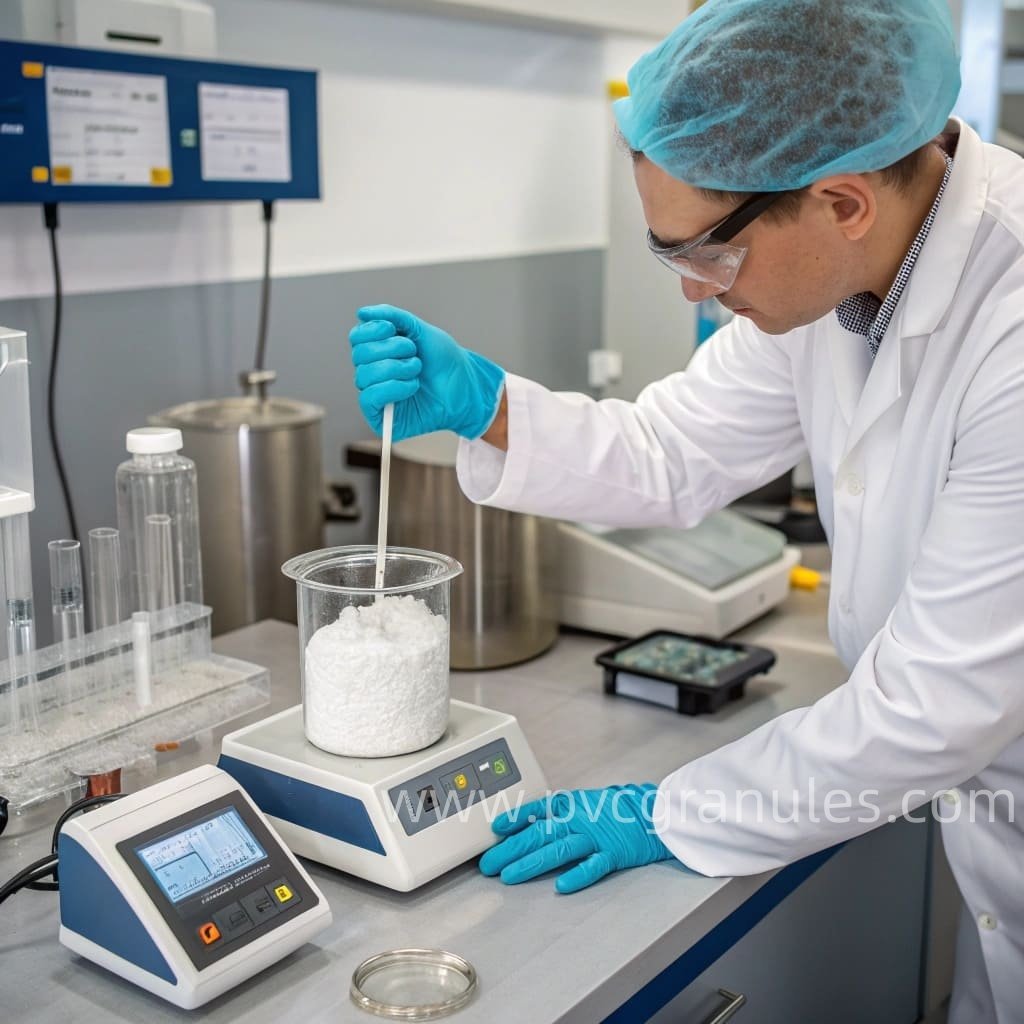
Critical Performance Metrics for Pipe Fitting Applications
Different pipe fitting applications3 demand specific property combinations. A drainage fitting needs different characteristics than a pressure pipe component.
Pressure Applications:
- Hydrostatic strength: Minimum 20 years at 20°C and 12.4 MPa
- Creep resistance: Less than 1% deformation under long-term loading
- Thermal stability: No degradation during multiple heat cycles
Drainage Applications:
- Chemical resistance: No degradation in acidic or alkaline environments
- Impact resistance: Withstand installation stresses and thermal shock
- UV stability7: Maintain properties under outdoor exposure
| Application Type | Key Requirements | Typical Formulation Adjustments |
|---|---|---|
| Pressure Pipes | High tensile strength8, creep resistance | Increased PVC K-value, optimized stabilizer package |
| Drainage Systems | Chemical resistance, impact strength9 | Enhanced impact modifier content, acid-resistant additives |
| Electrical Conduits | Flame retardancy, low smoke emission | Specialized flame retardant systems, smoke suppressants |
| Outdoor Applications | UV resistance, thermal stability10 | UV absorbers, heat stabilizers, titanium dioxide |
Our laboratory maintains samples from every batch for two years. This traceability system has saved countless customer relationships when questions arise about material performance11.
How Can Custom Formulations Improve Your Production Efficiency?
Standard formulations rarely deliver optimal results for specific production setups. Machine parameters, mold designs, and processing conditions all influence material requirements.
Custom PVC compound formulations optimize flow characteristics, processing temperatures12, and cycle times for your exact equipment configuration. This approach reduces waste, improves productivity, and ensures consistent part quality.
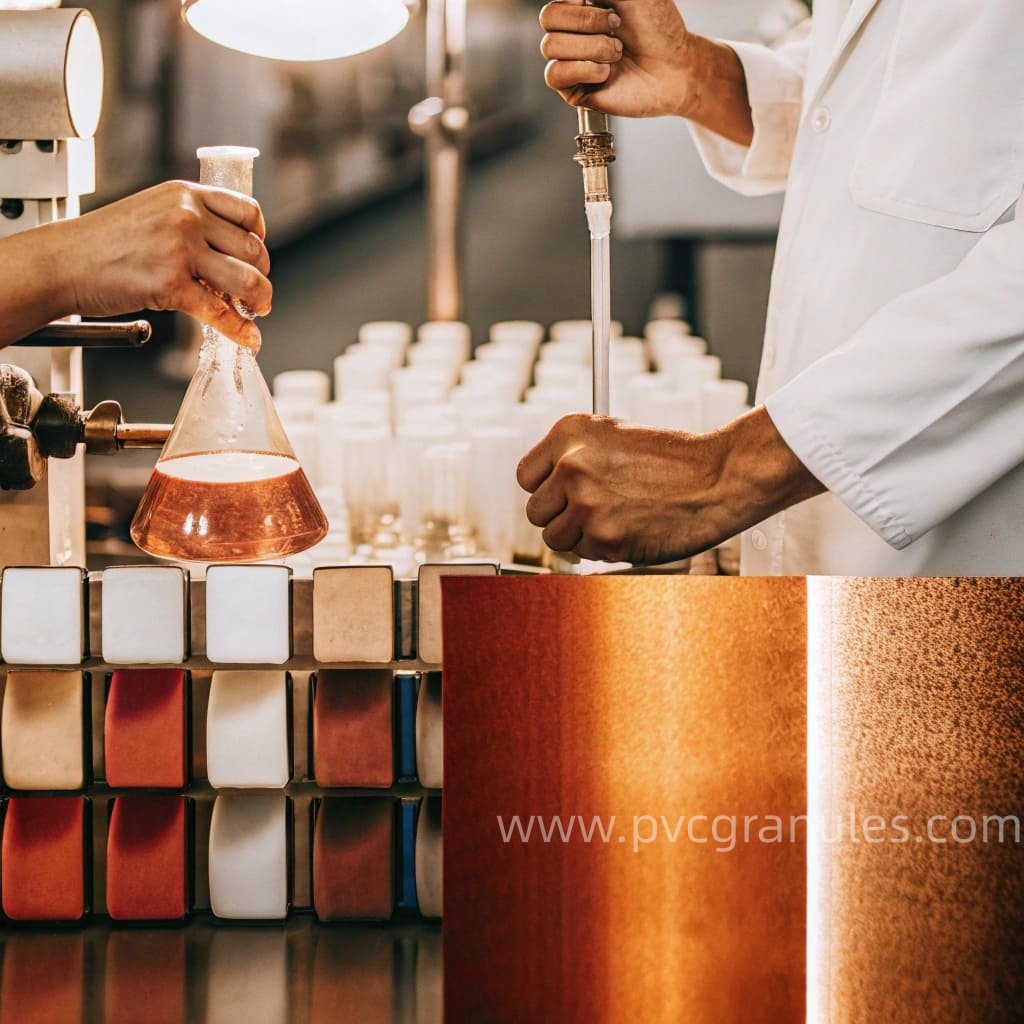
Machine-Specific Optimization Process
Every extrusion line and injection molding machine has unique characteristics. Temperature profiles, screw designs, and cooling systems all affect material behavior.
Our customization process follows these steps:
- Equipment Analysis: Review your machine specifications, screw configuration, and processing parameters
- Mold Assessment: Understand cavity designs, gate locations, and cooling channel layouts
- Trial Formulation: Develop initial compounds based on your specific requirements
- Production Testing: Run trials on your actual equipment with real production conditions
- Optimization: Fine-tune formulation based on trial results and performance feedback
Processing Benefits of Custom Formulations:
- Reduced cycle times through optimized flow properties
- Lower processing temperatures12 to minimize energy costs
- Improved surface finish and dimensional accuracy
- Reduced scrap rates and material waste
- Enhanced color consistency across production runs
We maintain detailed records of successful formulations for different machine types. This database allows us to provide proven solutions for similar equipment configurations, reducing development time and trial costs.
The investment in custom formulation pays dividends through improved efficiency and product quality. One customer reduced their cycle time by 15% while improving impact strength9 by 25% through our optimized compound.
Conclusion
Choosing the right rigid PVC granules supplier determines your pipe fitting business success. Focus on experience, quality systems, and customization capabilities for optimal results.
Explore the advantages of Rigid PVC granules for enhanced durability and performance in pipe fittings. ↩
Learn about unplasticized polyvinyl chloride and its critical role in high-performance materials. ↩
Discover various pipe fitting applications and their specific material requirements. ↩
Explore the significance of Vicat softening point in determining material temperature resistance. ↩
Explore how customized formulations can optimize production efficiency and product quality. ↩
Discover how ISO 9001 certification can enhance quality management in manufacturing. ↩
Discover the significance of UV stability for materials used in outdoor environments. ↩
Find out why tensile strength is crucial for structural reliability in manufacturing. ↩
Learn about impact strength measurement and its importance in material performance. ↩
Learn about thermal stability and its role in maintaining material integrity under heat. ↩
Discover the methods used to evaluate material performance and ensure reliability. ↩
Understand the impact of processing temperatures on material behavior and efficiency. ↩
