
Have you ever wondered why rigid PVC compounds dominate construction materials? I've spent 15 years manufacturing PVC compounds, and I see the same question from builders and manufacturers every day.
Rigid PVC compounds1 are unplasticized PVC granules that offer superior strength2, durability, and cost-effectiveness for construction applications. These compounds contain no plasticizers, making them ideal for pipes, fittings, conduits, and structural components that require long-term stability3 and environmental resistance.

When I started working with construction companies 15 years ago, I noticed most builders struggled to understand the difference between flexible and rigid PVC. This confusion cost them money and project delays. Today, I want to share everything I know about rigid PVC compounds for construction.
What Makes Rigid PVC Different from Other Construction Materials?
Most people think all PVC is the same. I used to think that too. Then I learned about the manufacturing process that changes everything.
Rigid PVC compounds1 contain no plasticizers, unlike flexible PVC. This absence of plasticizers creates a harder, stronger material with excellent dimensional stability4 and chemical resistance5. The result is a construction material that maintains its shape and properties for decades.

The manufacturing process determines everything about rigid PVC performance. We start with high-quality PVC resin and add specific stabilizers, impact modifiers, and processing aids. No plasticizers enter the formula. This creates a compound that flows well during processing but becomes rigid when cooled.
I remember working with a pipe manufacturer who switched from metal to rigid PVC. Their production costs dropped 40% while product quality improved. The pipes showed better corrosion resistance and easier installation. This happened because rigid PVC offers consistent properties that metal cannot match.
The key properties that matter most in construction include tensile strength, elongation at break, melt flow rate, impact resistance6, and Vicat softening temperature7. These properties work together to create materials that last decades in harsh environments.
| Property | Typical Range | Construction Benefit |
|---|---|---|
| Tensile Strength | 45-55 MPa | Structural integrity |
| Elongation at Break | 20-80% | Flexibility during installation |
| Melt Flow Rate | 0.5-10 g/10min | Processing efficiency |
| Impact Strength | 5-15 kJ/m² | Damage resistance |
| Vicat Softening Point | 75-85°C | Temperature stability |
Why Do Construction Companies Choose Rigid PVC Over Traditional Materials?
Last month, a construction manager asked me why rigid PVC costs less than alternatives. The answer surprised him.
Rigid PVC compounds1 offer lower total cost of ownership8 compared to traditional materials like metal or concrete. The combination of lower raw material costs9, easier processing, reduced installation time, and minimal maintenance requirements creates significant savings over the product lifecycle.
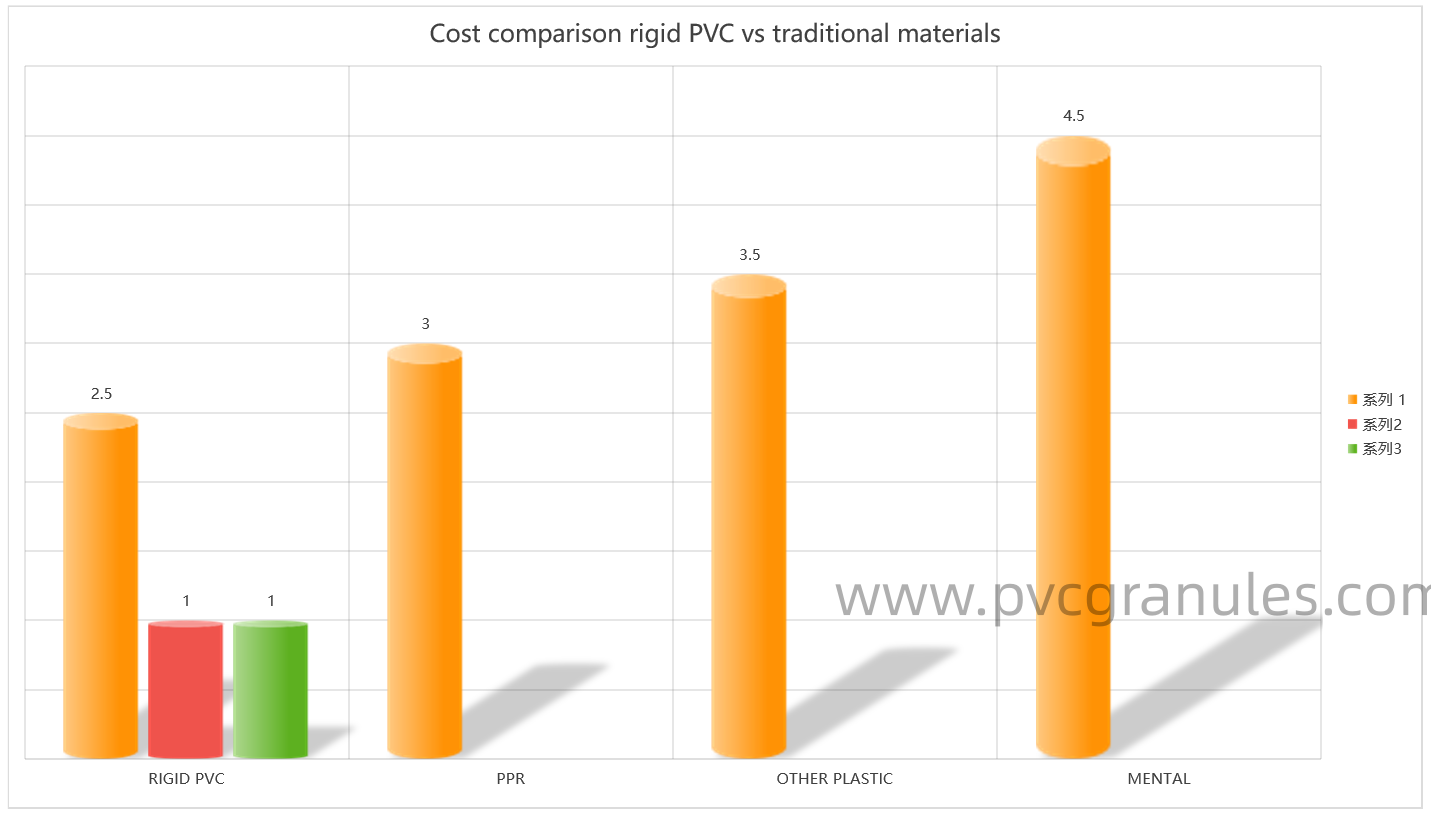
The cost advantage comes from multiple factors. First, PVC resin costs less than metal raw materials. Second, processing requires lower temperatures and pressures than metal fabrication. Third, the lighter weight reduces transportation and installation costs. Fourth, the corrosion resistance eliminates replacement needs for decades.
I worked with a housing developer who calculated total savings. They found rigid PVC pipes cost 60% less to install than copper pipes. The labor savings alone paid for the material cost difference. Add the 50-year service life with no maintenance, and the economics become clear.
Environmental benefits also drive adoption. Rigid PVC compounds1 made with eco-friendly additives meet strict environmental standards. These materials can contact drinking water and food packaging safely. The recyclability10 adds another advantage that appeals to green building projects.
The processing advantages matter too. Rigid PVC flows easily during injection molding or extrusion. This allows complex shapes and tight tolerances that would be expensive with metal. The consistent properties reduce waste and improve production efficiency.
How Do You Select the Right Rigid PVC Compound for Your Project?
Choosing the wrong compound specification costs time and money. I see this mistake often with new customers.
Selecting rigid PVC compounds requires matching material properties to application requirements11. Key factors include operating temperature, mechanical stress, chemical exposure, regulatory compliance12, and processing method. Each application demands specific property combinations for optimal performance.
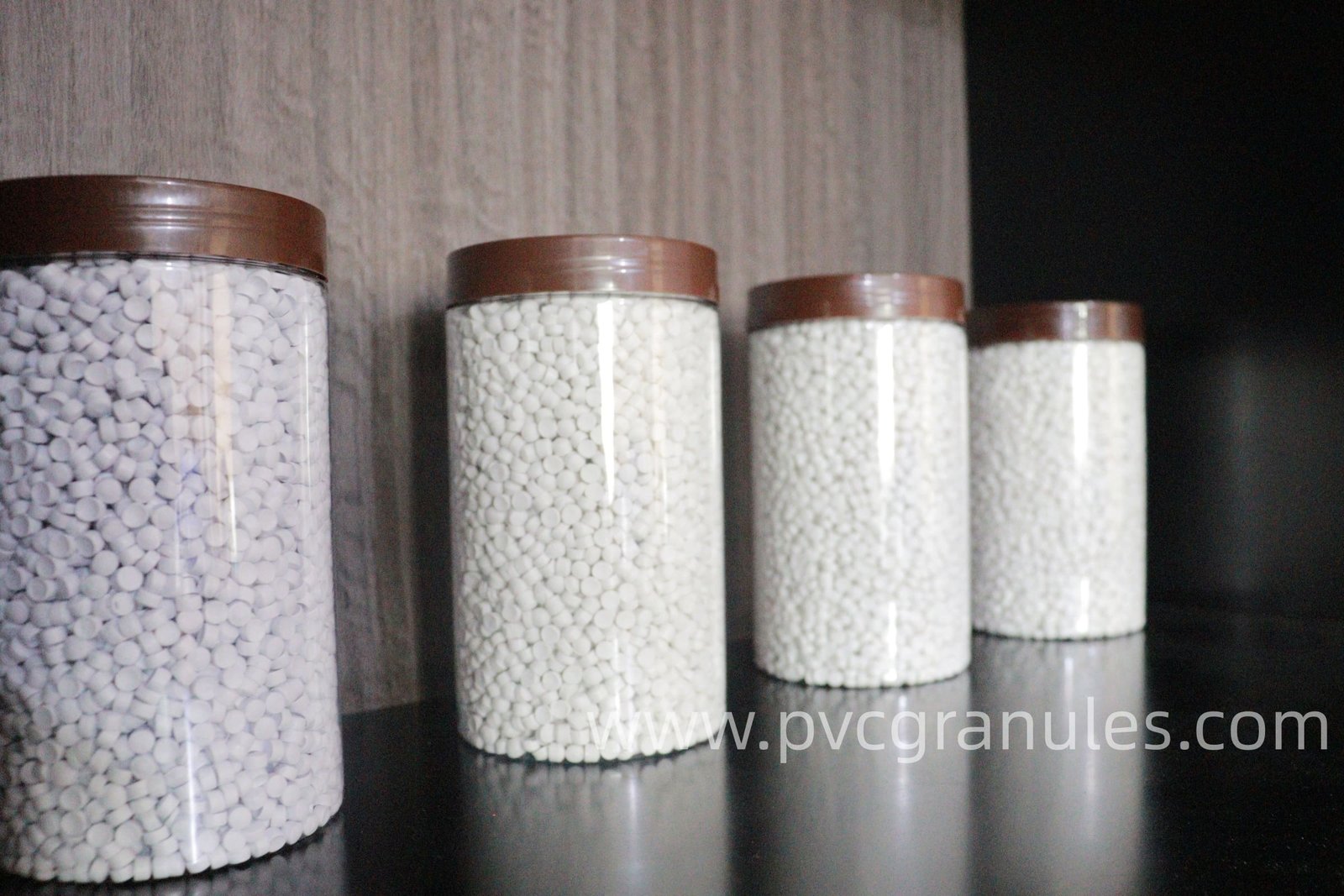
The selection process starts with understanding your application requirements11. Pipe applications need different properties than electrical conduits. Window profiles require different specifications than siding materials. Each application creates unique demands on the compound.
Temperature requirements often drive the selection. Standard rigid PVC works well up to 60°C continuous use. High-temperature grades extend this to 80°C or higher. I remember a customer who needed conduits for a hot climate. We developed a compound with enhanced heat stabilizers that maintained properties at 75°C.
Mechanical requirements vary widely. Structural applications need high tensile strength and impact resistance6. Thin-wall applications prioritize melt flow rate for easy processing. Outdoor applications require UV stabilizers to prevent degradation. Each requirement affects the compound formulation.
Chemical resistance becomes critical for specific applications. Rigid PVC naturally resists most acids, bases, and salts. However, some chemicals require special grades. We developed a compound for chemical plant piping that resists concentrated sulfuric acid.
Regulatory compliance adds another layer of complexity. Drinking water applications require NSF certification. Food contact applications need FDA approval. Building materials may require flame retardant properties13. Each certification requires specific additive packages and testing protocols.
| Application | Key Properties | Typical Grade |
|---|---|---|
| Pressure Pipes | High tensile strength, impact resistance6 | PVC-U 12.5 MPa |
| Electrical Conduit | Flame retardancy, UV stability | PVC-U FR |
| Window Profiles | Weather resistance, color stability | PVC-U WS |
| Siding Materials | Impact resistance, UV protection | PVC-U Impact Modified |
What Quality Standards Should You Expect from Rigid PVC Suppliers?
Quality problems in rigid PVC compounds create expensive failures. I learned this lesson early in my career.
Professional rigid PVC compound suppliers maintain ISO 9001 quality systems14, provide complete material certifications, conduct batch testing for critical properties, and offer technical support15 throughout the product lifecycle. These standards ensure consistent performance and regulatory compliance12.
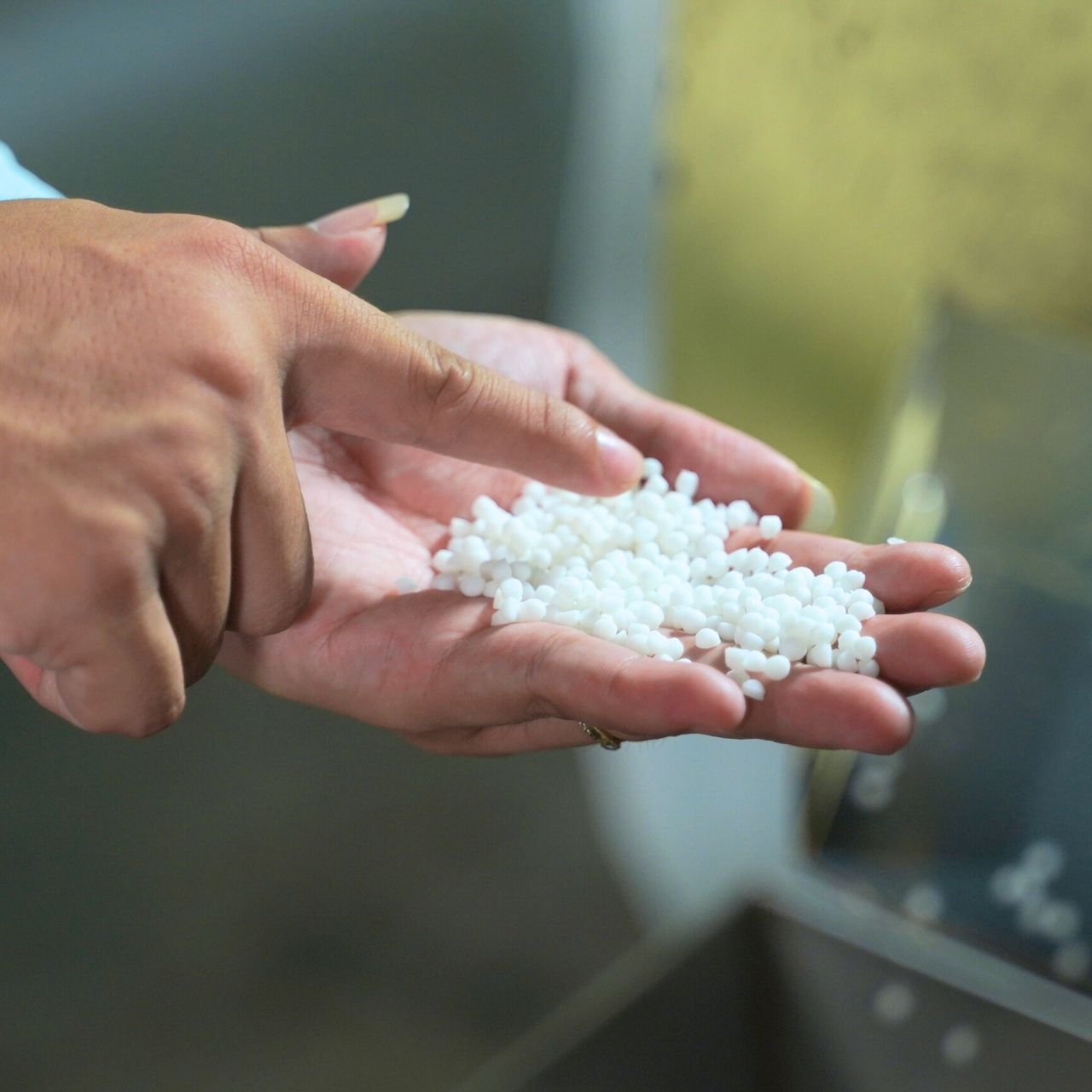
Quality starts with raw material selection. We test every incoming shipment of PVC resin and additives. The tests verify purity, moisture content, and key performance properties. Any material that fails specifications gets rejected immediately. This prevents quality problems from entering production.
Production control ensures consistency between batches. We use automated weighing systems for precise additive dosing. The twin-screw extruders maintain exact temperature and pressure profiles. Real-time monitoring catches deviations before they affect product quality. Each batch gets tested before release.
Testing protocols verify all critical properties. We measure tensile strength, impact resistance6, melt flow rate, and thermal stability on every production batch. The test results must fall within specification limits before shipping approval. We also conduct long-term aging tests to verify stability.
Certifications provide third-party verification of quality systems. Our ISO 9001 certification covers the complete quality management system. ISO 14001 addresses environmental management. OHSAS 18001 ensures worker safety. These certifications require annual audits to maintain compliance.
Technical support helps customers succeed with our compounds. We provide processing guidelines, troubleshooting assistance, and application development support. Our laboratory can test customer samples to verify performance. We also offer training programs for customer technical teams.
Documentation supports traceability and compliance. Every shipment includes a certificate of analysis with test results. Material safety data sheets provide handling information. Technical data sheets specify properties and processing conditions. This documentation helps customers meet their quality requirements.
Conclusion
Rigid PVC compounds1 offer construction companies a reliable, cost-effective solution for pipes, fittings, and structural components, combining superior performance with environmental responsibility and long-term value.
Explore the advantages of Rigid PVC compounds for construction, including strength and durability. ↩
Discover the factors that give Rigid PVC its superior strength in construction. ↩
Understand the importance of long-term stability for the durability of construction materials. ↩
Understand the significance of dimensional stability in ensuring long-lasting construction materials. ↩
Find out how chemical resistance enhances the durability of construction materials. ↩
Understand the importance of impact resistance in ensuring the longevity of construction materials. ↩
Learn about Vicat softening temperature and its relevance in material performance. ↩
Explore the concept of total cost of ownership and its impact on material selection. ↩
Learn how lower raw material costs can lead to significant savings in construction. ↩
Explore how recyclability influences the selection of sustainable construction materials. ↩
Learn about the critical application requirements that affect material performance. ↩
Explore the regulatory compliance standards that construction materials must meet. ↩
Discover the significance of flame retardant properties in ensuring safety in construction. ↩
Understand the significance of ISO 9001 quality systems in ensuring material quality. ↩
Learn about the technical support services that can aid in material selection and use. ↩
