
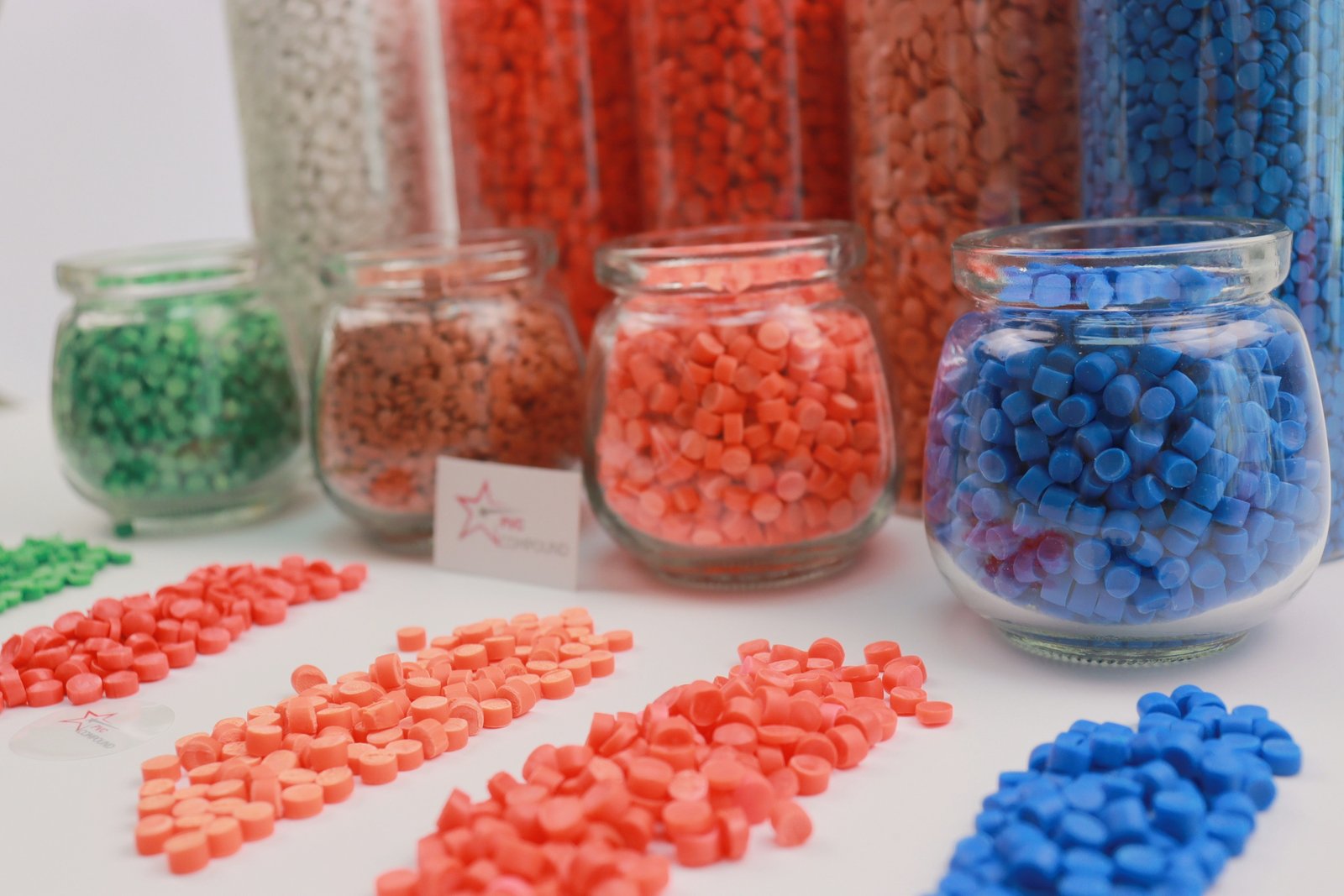
You see defects in your PVC profiles, and production stops immediately. It is frustrating to lose money on waste and delayed orders. How do you solve these quality issues quickly?
To fix PVC profile defects1 like breakage, warping2, or rough surfaces3, you must adjust machine temperatures4, align equipment centers, and control cooling rates5. Most importantly, using high-quality, stable PVC compound granules ensures consistent plasticization6 and reduces reject rates significantly. Proper maintenance of the die and vacuum system7 is also essential.

I have seen many factories struggle with these issues over my 15 years in the industry. At JIANGSHAN STAR, we often help our clients troubleshoot their production lines because even the best material needs the right settings. Let me share the specific solutions we use to help our clients get perfect results.
Why are my PVC profiles breaking easily during production?
Your profiles snap when cut or tested during quality checks. This weakness ruins your product reputation and costs you a lot of raw material.
The brittleness8 often comes from adding too much calcium carbonate filler9 or incomplete plasticization6. Increasing the processing temperature helps the material melt and bond better, making the profile stronger.
When I visit client factories, the most common reason for brittle profiles is a desire to cut costs. Many producers add too much calcium powder (filler) to the mix. While this makes the material cheaper, it destroys the internal structure of the PVC. The excessive filler acts like impurities that break the molecular chains.
Another major cause is that the material is not fully plasticized. If the PVC does not melt completely inside the barrel, the particles do not fuse together. This results in a product that looks solid but is actually very weak inside.
To solve this, we need to look at both the formula and the machine. First, check your filler levels. If you are using our JIANGSHAN STAR compounds, the formula is already balanced for strength. If you are mixing your own, try reducing the calcium. Second, look at your extruder temperature.
Here is a simple guide to adjusting for strength:
| Factor | Problem Indicator | Solution |
|---|---|---|
| Material Formula | High Calcium content | Reduce filler or add more impact modifier. |
| Temperature | Low melt temp | Increase Zone 3 and Zone 4 temperatures. |
| Screw Speed | Material moves too fast | Slow down to allow more time for melting. |
| Plasticization | Unmelted particles | Ensure plasticization6 reaches the optimal level. |
By raising the processing temperature slightly, you allow the molecular chains to relax and bond. This simple change can often fix the breakage issue immediately.
What causes yellow or black lines10 to appear on the extrusion?
You see ugly colored streaks on your white profiles. This visual defect makes the product unsellable immediately and indicates contamination or burning.
These lines usually mean the raw material is unstable or there is burnt "dead material" inside the mold. Cleaning the die and using high-stability PVC granules prevents this degradation.
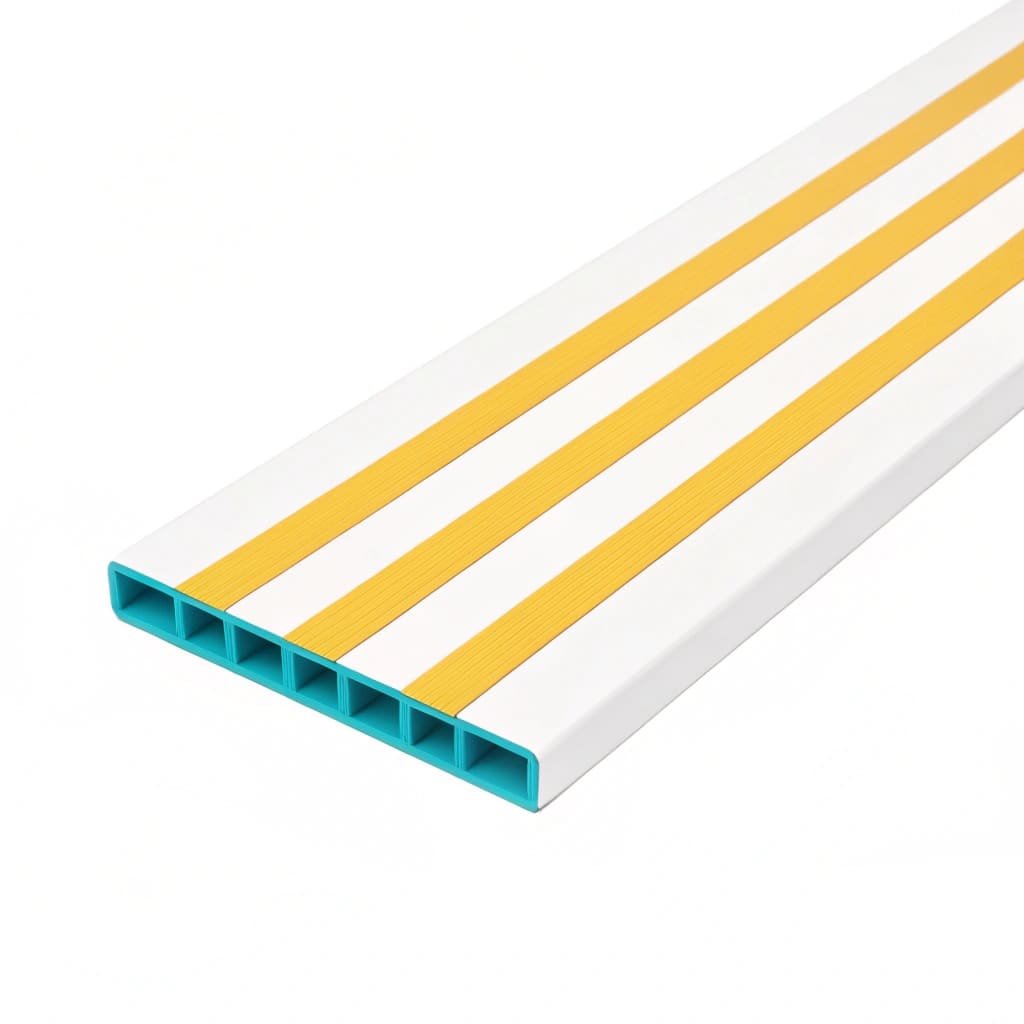
Yellow or black lines are a nightmare for production managers. In my experience, this is almost always a stability issue. PVC is heat-sensitive. If the stabilizer in your formula is not good enough, the material will start to degrade inside the hot machine. This degradation turns the plastic yellow or black.
However, sometimes the material is fine, but the machine is dirty. We call this "dead material." Inside the die head, there are corners where plastic can get stuck. If plastic sits there too long, it burns. Eventually, this burnt plastic flows out with the new material, creating a black line.
At JIANGSHAN STAR, we ensure our granules have high thermal stability11. But even with good material, you must maintain your equipment.
Here is how to troubleshoot this:
- Check Raw Material: Is the batch consistent? If the stabilizer is weak, the whole profile might turn yellow.
- Inspect the Die: Stop the machine and disassemble the die. Look for carbon buildup or burnt plastic on the inner walls.
- Polish the Flow Channel: Any scratch or rough spot inside the die can trap material. These spots must be polished smooth.
- Temperature Check: Is one heater running too hot? A broken thermocouple might read low while the heater is actually burning the plastic.
Using high-quality PVC granules is the best prevention. If the granules vary in quality, you will constantly fight these lines. Good granules flow smoothly and do not burn easily.
How do I stop PVC profiles from bending or warping2?
The profile comes out curved instead of straight. You cannot assemble crooked parts, so they go directly to the scrap pile.
Warping happens when equipment is not aligned, die temperatures are uneven, or cooling is inconsistent. Aligning the extruder and cooling tank centers is the first step to fixing this.
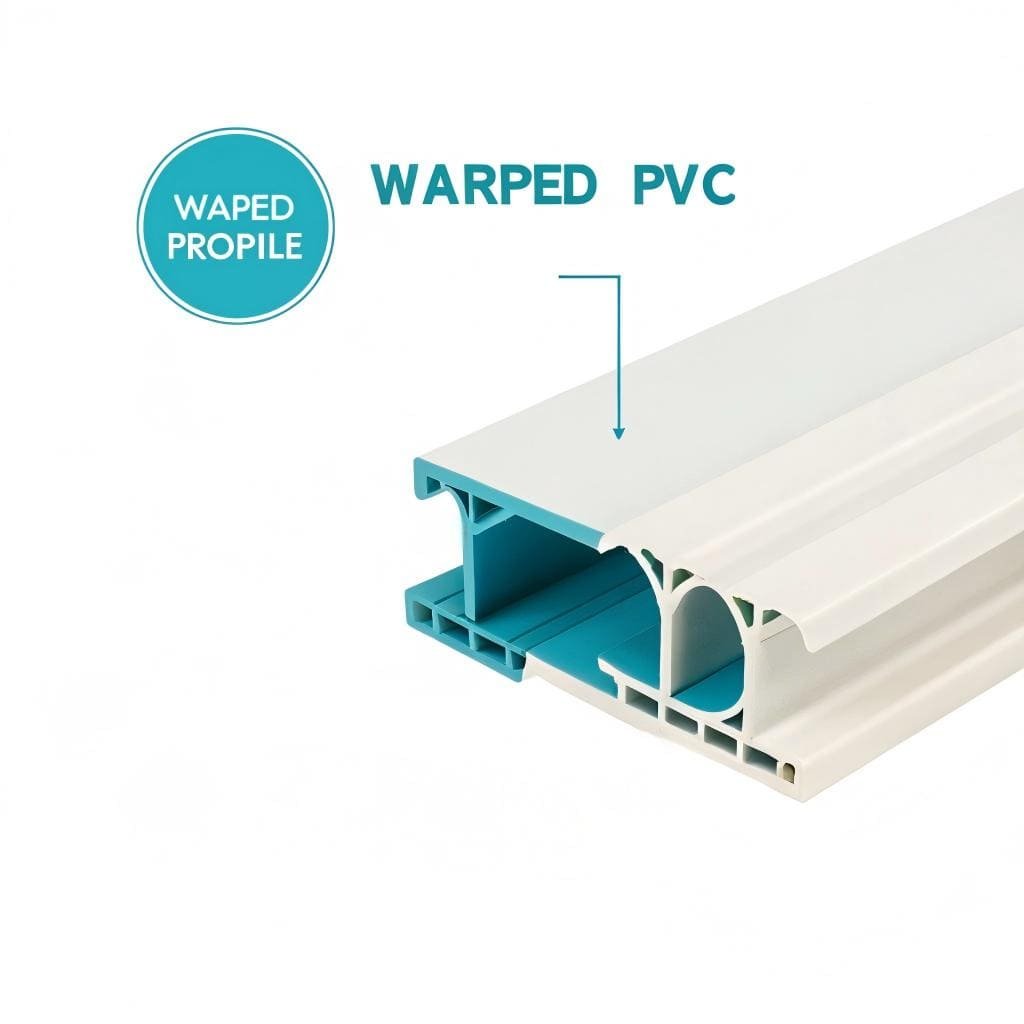
Bending is a mechanical and thermal problem. When I see a profile bending to the left, I know there is more stress on one side than the other. This usually starts with the machine alignment. The extruder, the die, the sizing sleeve, and the water tank must all be in a perfect straight line. If the water tank is slightly off-center, it pulls the hot profile, causing it to cool in a bent shape.
Temperature balance is the second big factor. If the die is hotter on the right side, the material flows faster on that side. Faster flow on one side pushes the profile to curve towards the slower side. You must ensure the heaters on the die are working evenly.
Cooling is the third factor. Plastic shrinks when it cools. If the top of the profile gets more water than the bottom, the top shrinks faster. This uneven shrinking pulls the profile up, causing a bow.
To fix warping2, follow this logic:
- Alignment: Use a string or laser to check that the center line of all equipment is straight.
- Die Temperature: Measure the actual temperature of the die face. Adjust heaters to make the flow speed even.
- Cooling Water: Check your spray nozzles. Are they clogged? Make sure water covers the profile evenly on all sides.
- Speed: If you run too fast, the profile leaves the cooling tank while still hot inside. It will warp later on the rack. Slow down to ensure full cooling.
Why is the surface of the profile rough or lacking gloss?
The finish looks dull or feels like sandpaper. Customers want smooth, shiny products, and they will reject rough ones.
Roughness often results from poor plasticization6, a dirty die inner wall, or low vacuum pressure in the sizing mold. Increasing the temperature and cleaning the die usually restores the gloss.
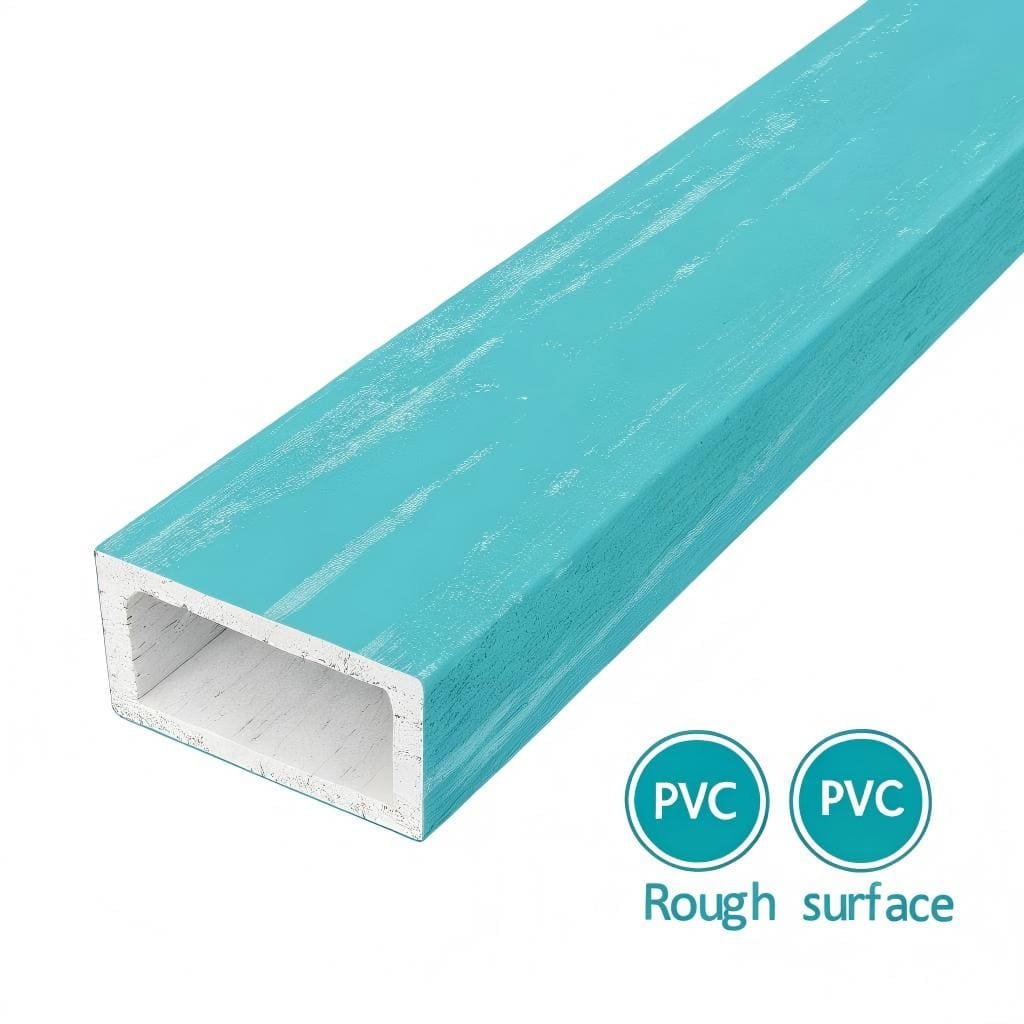
A smooth surface is the sign of a premium product. When the surface is rough, it usually means the PVC melt is not uniform. We call this "poor plasticization6." Imagine trying to spread cold butter on toast; it tears the bread. Cold or poorly mixed PVC tears as it leaves the die, creating a rough surface.
The condition of the die is also critical. Over time, additives from the PVC can build up on the metal surface. These are called precipitates. As the plastic slides over these sticky spots, it gets dragged, ruining the gloss.
Here is a deep dive into restoring the shine:
- Improve Plasticization: This is key. Check your mixing process. Are the PVC granules mixed well? You may need to raise the barrel temperature in Zone 1 and Zone 2 to get a better melt.
- Clean the Die: You must regularly stop and clean the die lips. Remove any white powder or sticky residue.
- Vacuum Pressure: In the calibration table, vacuum pulls the plastic against the smooth metal wall. If the vacuum is too low, the plastic does not touch the metal tightly, leaving a dull finish. Increase the vacuum level.
- Temperature: Sometimes the melt is just too cold. A cold melt does not take the shape of the smooth die. Raising the die temperature by 5-10 degrees can make the surface shiny again.
At JIANGSHAN STAR, we verify our granule size uniformity (≥95%) to ensure they melt evenly, which is the foundation of a glossy surface.
What causes bubbles12 to form on the profile surface?
Small bumps or holes ruin the smooth look. This indicates gas trapped inside the plastic during extrusion, which weakens the wall.
Bubbles are caused by moisture in the raw material or temperatures that are too high, causing decomposition. Drying the resin and checking the vacuum venting system solves this.
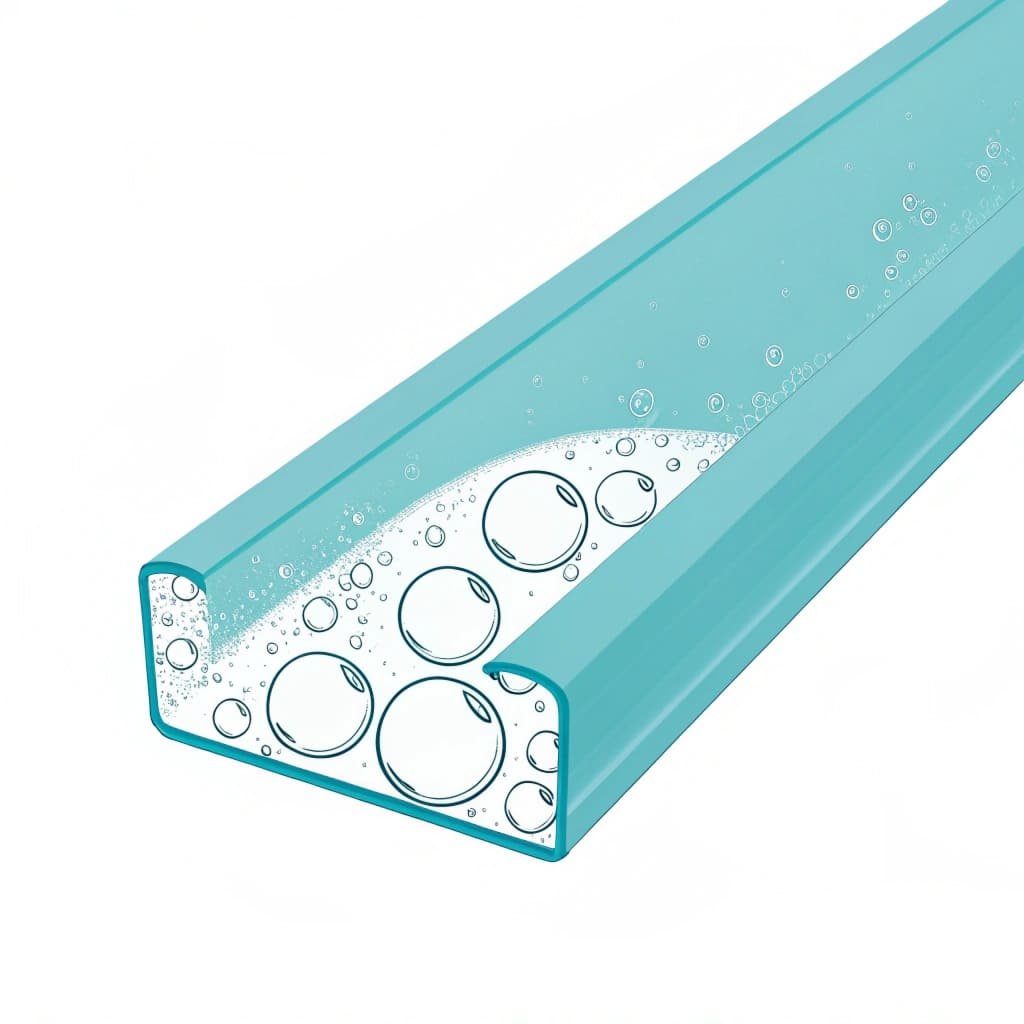
Bubbles are gas pockets. Where does the gas come from? There are two main sources: water and chemical breakdown.
First, water. PVC resin and fillers like wood flour or calcium can absorb moisture from the air. If you use damp material, that water turns into steam inside the hot extruder. The steam gets trapped in the plastic and forms bubbles12. This is very common in humid climates.
Second, decomposition. If your temperature is too high, the PVC starts to break down chemically. This reaction releases hydrogen chloride gas. This gas forms tiny bubbles12 throughout the profile.
To fix this, you need to be a detective:
- Check Moisture: Put your raw material through a dryer before using it. We recommend keeping moisture content13 ≤0.3%. If you see bubbles12, check your hopper dryer immediately.
- Check Temperature: If the material is dry but bubbles12 persist, your machine is likely too hot. Lower the barrel temperature to stop the material from decomposing.
- Check Venting: Your extruder has a vacuum vent to suck out gas. If this vent is clogged or the vacuum pump is weak, the gas stays in the plastic. Clean the vent and check the gauge.
Why do profiles fail low-temperature impact tests?
The profiles shatter in cold weather or during impact testing. This is dangerous for construction materials and leads to expensive safety claims.
This failure is often due to insufficient impact modifiers14 in the formula or sharp corners15 in the design. Optimizing the recipe with CPE or ACR improves cold resistance.
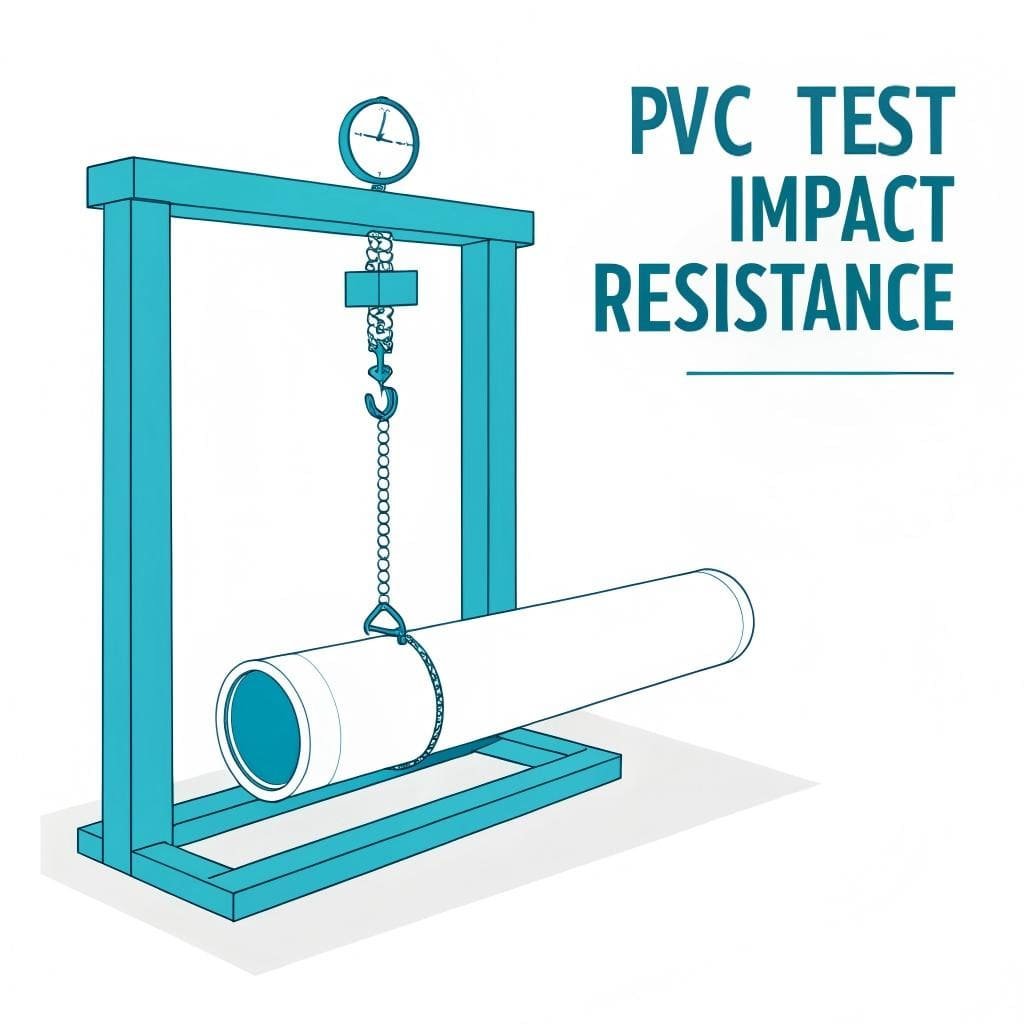
Impact strength is vital for profiles used outdoors, like windows or fences. In winter, PVC naturally becomes brittle. If the profile shatters like glass, it is a major failure.
The most common cause is the formula. PVC resin by itself is hard but brittle. We must add impact modifiers14 like CPE (Chlorinated Polyethylene) or ACR (Acrylic). If you try to save money by reducing these additives, the cold-weather performance drops instantly.
However, design also plays a huge role. I have seen clients blame the material when the problem was actually the shape of the profile. Sharp internal corners concentrate stress. When hit, the force focuses on that sharp corner and starts a crack.
Here is how to ensure your profiles pass the impact test:
| Area | Action Item | Reason |
|---|---|---|
| Formula | Increase CPE/ACR dosage | These rubber-like additives absorb shock energy. |
| Design | Use Radiused Corners | Replace sharp 90-degree angles with curved arcs to spread stress. |
| Process | Target 60-70% Plasticization | If the material is "raw" (under-plasticized), the molecular network is weak. |
| Material | Use High-Quality Granules | JIANGSHAN STAR customizes impact resistance based on your climate needs. |
We test our compounds for Vicat softening and impact strength. If you are facing this issue, we can adjust the modifier content in our granules to suit your specific application requirements.
Conclusion
To get perfect PVC profiles, you need to balance your machine alignment, temperature settings, and cooling systems. However, the most critical factor is the quality of your raw material; using stable, customized PVC granules from JIANGSHAN STAR solves many of these defects before they even start.
Understanding these defects can help you improve production quality and reduce waste. ↩
Learn how to identify and fix warping issues to improve product straightness. ↩
A smooth finish is essential for customer satisfaction; discover how to achieve it. ↩
Learn about the critical role of temperature in achieving optimal PVC profile quality. ↩
Controlling cooling rates is essential for preventing warping and ensuring product integrity. ↩
Understanding plasticization can help you achieve better product consistency and strength. ↩
Learn how a well-maintained vacuum system can enhance product quality and reduce defects. ↩
Identifying causes of brittleness can help you improve product reliability and safety. ↩
Explore how filler content impacts the strength and quality of your PVC profiles. ↩
Understanding these visual defects can help you maintain product aesthetics and quality. ↩
High thermal stability in granules can prevent degradation and improve product quality. ↩
Bubbles can weaken your product; learn how to prevent and fix this issue. ↩
Controlling moisture is crucial for preventing defects like bubbles in your profiles. ↩
Understanding impact modifiers can help you enhance the durability of your products. ↩
Learn why design matters and how to optimize it for better impact resistance. ↩
