
Frustrated with inconsistent PVC pipe fittings that disrupt your production? The complex manufacturing process, if not handled correctly, can lead to defects, waste, and costly delays, directly impacting your bottom line.
The secret to producing high-quality PVC pipe fittings lies in a combination of a superior injection molding machine, skilled operators, and, most importantly, the right raw material—specifically, PVC granules. This method involves injecting molten PVC compound into a [precision-engineered mold](https://en.wikipedia.org/wiki/Injection_moulding)11, which then cools and solidifies to create the final fitting. This process is the most practical and widely used technique for manufacturing complex shapes like elbows and tees with efficiency and precision.
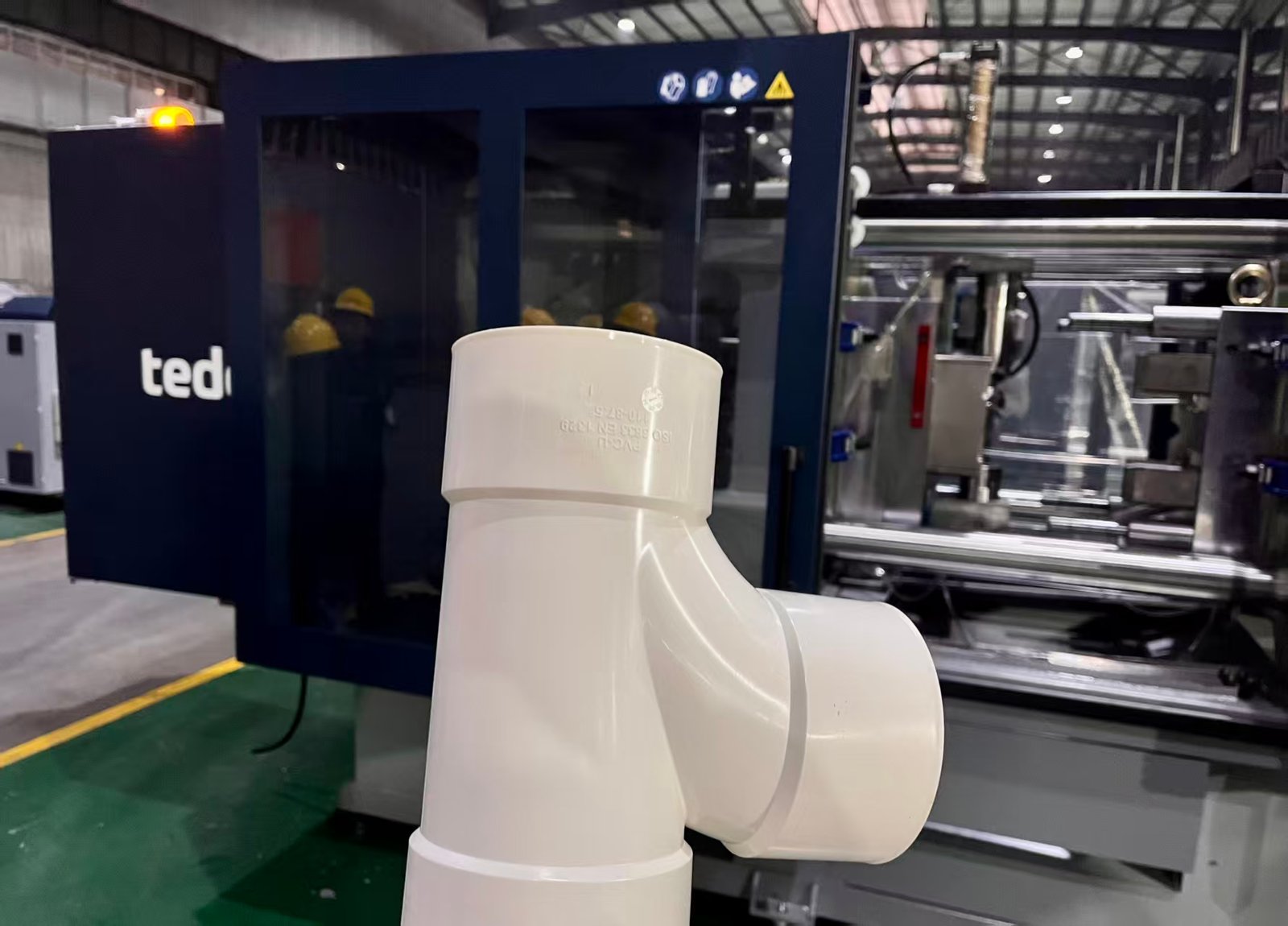
The journey from a simple granule to a finished pipe fitting seems complex, but it's a fascinating and precise process. As a manufacturer with over 15 years of experience, I've seen firsthand how mastering this process can make or break a business. Let’s break down the essential components to understand how you can achieve consistent, high-quality results in your own production line2.
What is the first step in producing PVC pipe fittings?
Struggling to start your PVC fitting production on the right foot? Choosing the wrong machine can lead to inefficiencies, poor product quality, and endless frustration, setting you up for failure before you even begin.
The foundational step is selecting a high-quality injection molding machine. A reliable and precise machine is the heart of the operation. In my experience, the best machines often come from Zhejiang, China, a hub for top-tier manufacturers like HAITIAN and TEDERIC.
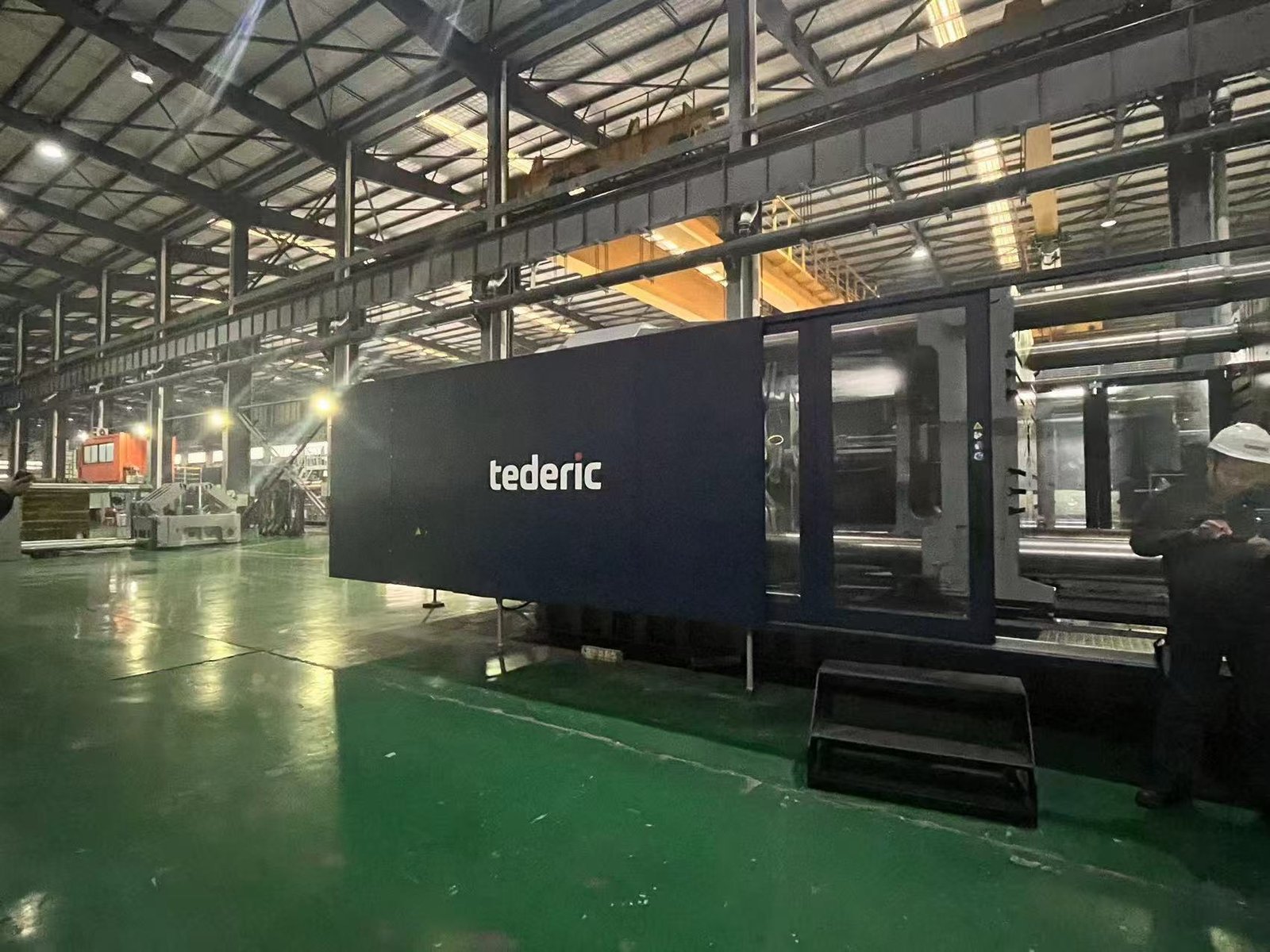
A superior injection molding machine is more than just a piece of equipment; it's the bedrock of your entire production process. The quality of this machine directly dictates the quality, consistency, and efficiency of your output. Renowned brands like Haitian and Tederic have developed machines specifically optimized for the challenges of processing PVC. These machines offer specialized screw and barrel sets designed to handle the [corrosive nature of PVC](https://en.wikipedia.org/wiki/Thermoplastic)23 and prevent thermal degradation. They also provide the precise temperature and pressure control necessary for this heat-sensitive material. Investing in a top-tier machine from a reputable region like Zhejiang minimizes production issues3, reduces scrap rates, and ensures you have a reliable foundation for creating flawless PVC pipe fittings from the very first cycle. It’s a significant upfront investment, but the long-term payoff in quality and reliability is immeasurable.
Why is a skilled operator so crucial for success?
Are you experiencing a high defect rate in your PVC fittings? Even with the best machine, a lack of operator expertise can lead to wasted materials and inconsistent product quality, eating into your profits.
A skilled operator is essential because PVC injection molding is a nuanced process that requires deep technical knowledge. This person must master critical parameters like [injection temperature](https://en.wikipedia.org/wiki/Polyvinyl_chloride)44, pressure, and speed to ensure the material flows correctly and forms a perfect fitting every time.

The role of the operator goes far beyond simply pushing buttons. PVC is a uniquely challenging material due to its heat sensitivity and narrow processing window. An expert operator understands how to fine-tune the machine's settings to prevent common defects. For instance, they know the optimal melt temperature (typically between 170°C and 190°C) to avoid degradation, which can release corrosive gases and ruin the product. They also manage [injection pressure](https://en.wikipedia.org/wiki/Injection_moulding)55 and speed to ensure the mold cavity fills completely without causing issues like flash or sink marks. This expertise is not just about technical settings; it's about observation and adjustment. I've seen skilled operators diagnose potential problems just by the sound of the machine or the appearance of the first few parts, saving countless hours and materials. Their knowledge is the bridge between a great machine and a great product.
| Key Parameter | Importance in PVC Injection Molding | Typical Range |
|---|---|---|
| Melt Temperature | Prevents thermal degradation and ensures proper material flow. PVC is heat-sensitive. | 170°C - 190°C (345°F - 375°F) |
| Injection Pressure | Ensures the mold cavity is completely and uniformly filled. | 80 - 120 MPa |
| Injection Speed | Affects the surface finish and structural integrity of the fitting. | Moderate speeds are generally recommended. |
| Mold Temperature | Influences the cooling rate, which affects shrinkage and final dimensions. | 20°C - 50°C (70°F - 130°F) |
| Back Pressure | Helps in achieving a consistent melt and mixing of additives. | Minimal pressure, around 1 MPa, is often used. |
What is the most important ingredient for perfect pipe fittings?
Are you still facing production issues3 despite having a great machine and a skilled operator? The problem might lie in your raw material. Using the wrong form of PVC can lead to incomplete plasticization and failed products.
The single most critical element is the choice of raw material: high-quality PVC granules6 (compounds). Based on our extensive experience, over 90% of global PVC pipe fitting manufacturers use granules because they are the simplest and most effective raw material for injection molding.
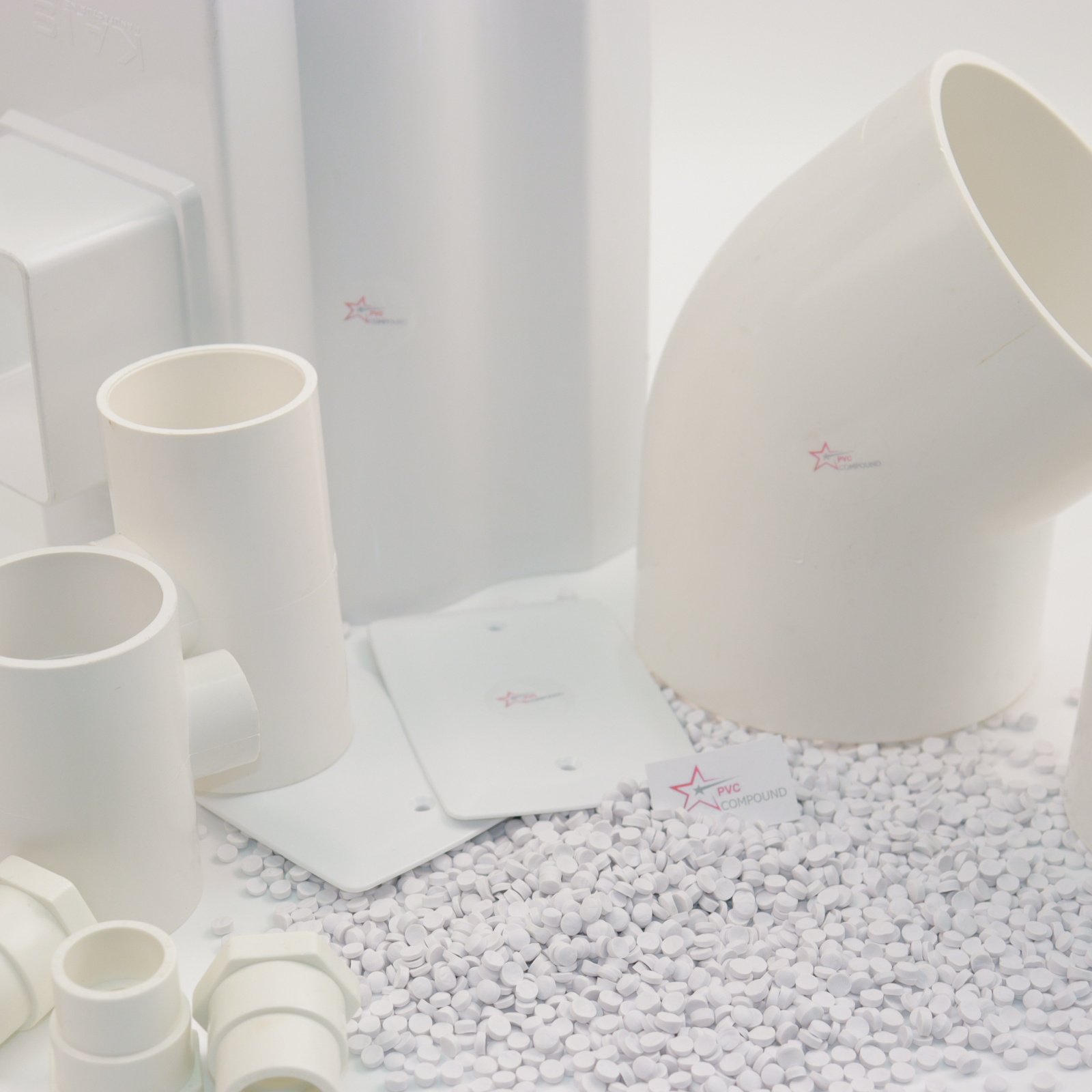
Why are granules so superior to raw resin powder for this application? The answer lies in the processing. PVC resin in its raw, powdered form needs to be mixed with a variety of additives like stabilizers, plasticizers, and fillers to achieve the desired properties for a pipe fitting. This mixing process, called compounding, is complex. If a manufacturer tries to use a dry blend of resin powder directly in a standard [single-screw injection molding](https://en.wikipedia.org/wiki/Injection_moulding)76 machine, the screw often fails to properly melt and homogenize the material. I once had a client who insisted on using resin powder to save costs. Unfortunately, their injection machine's single screw couldn't fully plasticize the powder, resulting in zero usable pipe fittings. PVC granules6, on the other hand, have already undergone this compounding and pelletizing process. They are a pre-formulated, ready-to-use material designed for direct use in injection molding, ensuring consistent melting, flow, and final product quality. Using granules simplifies the entire operation and dramatically increases the success rate.
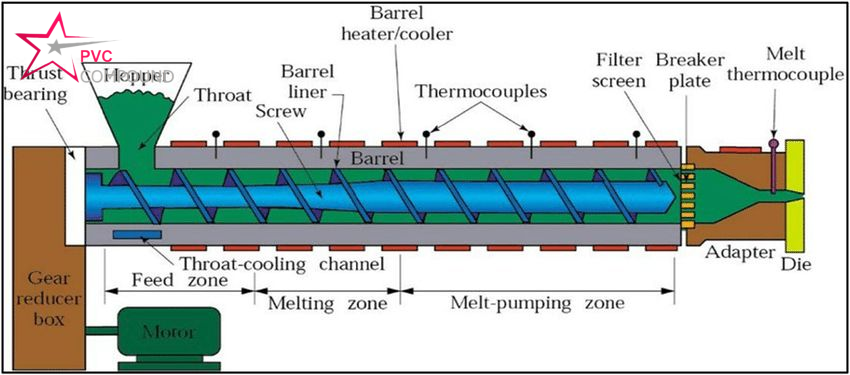
Let's walk through the journey of a PVC granule inside the injection molding machine. It’s a highly automated and precise cycle designed for mass production. First, the PVC granules6 are fed from a hopper into the machine's heated barrel. Inside the barrel, a reciprocating screw rotates, conveying the granules forward. The heat from the barrel and the friction from the screw's rotation melt the granules into a homogenous molten mass. Once enough molten plastic is ready, the screw pushes forward like a plunger, injecting the material under high pressure into the mold cavity. The mold is then cooled, usually with circulating water, which causes the PVC to solidify and take the shape of the fitting. Finally, the mold opens, and the finished pipe fitting is ejected. Any excess material, like the runner, is trimmed off, and the final product is ready for packaging. This entire cycle repeats, producing consistent fittings with high precision.
Conclusion
In summary, creating high-quality PVC pipe fittings hinges on three pillars: a precision injection machine, a knowledgeable operator, and premium PVC granules6. Mastering these elements ensures a smooth, efficient, and profitable manufacturing process.
Understand the importance of precision-engineered molds in achieving high-quality PVC fittings. ↩
Explore how the corrosive properties of PVC impact the choice of materials and machine components. ↩
Identify common production challenges in PVC fitting manufacturing and how to address them effectively. ↩
Find out the ideal injection temperature settings to ensure proper material flow and prevent defects. ↩
Discover the importance of injection pressure in achieving uniform filling and high-quality fittings. ↩
Learn why PVC granules are the go-to choice for manufacturers, ensuring better quality and consistency in production. ↩
Discover the benefits of single-screw injection molding and its suitability for processing PVC materials. ↩
