
Your corrugated pipe failed, causing project delays and costly repairs. The problem often starts with the wrong PVC granule choice1. You need a reliable material, but selecting the right formula feels complex and risky.
The key is matching the PVC granule's properties to the pipe's specific job. For drainage, you need rigidity. For communication conduits, flexibility is crucial. For electrical pipes, insulation is non-negotiable, and for large spiral pipes, you need maximum strength.
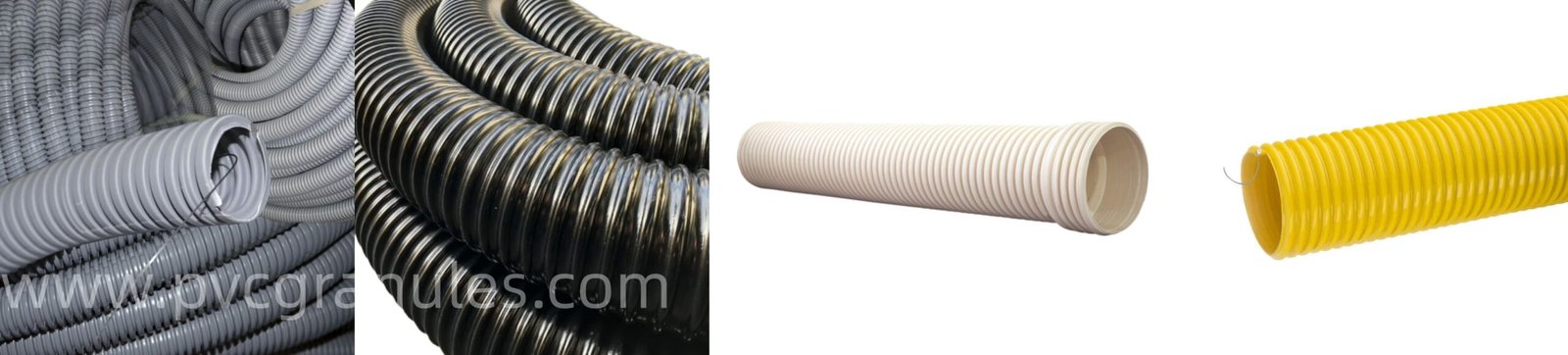
Choosing the right raw material is the most important decision you'll make for your product line. The performance, durability, and safety of your pipes all depend on the specific PVC compound formula2 you use. I've spent over 15 years helping clients find the perfect match, and I want to share what I've learned. Let's dive deeper into the specific requirements for each major pipe type to ensure you make the right choice every time.
What makes PVC granules suitable for drainage corrugated pipes?
A collapsed drainage pipe can cause serious backups and require expensive excavation to fix. This happens when the pipe isn't strong enough to handle the pressure from the soil above. Using the right PVC compound is the best way to prevent this.
For drainage pipes3, you need PVC granules with a K-value of 65-704, good thermal stability, and a balance of plasticizers for flexibility and fillers like calcium carbonate5 for rigidity. This combination ensures the pipe can withstand underground pressure without breaking.
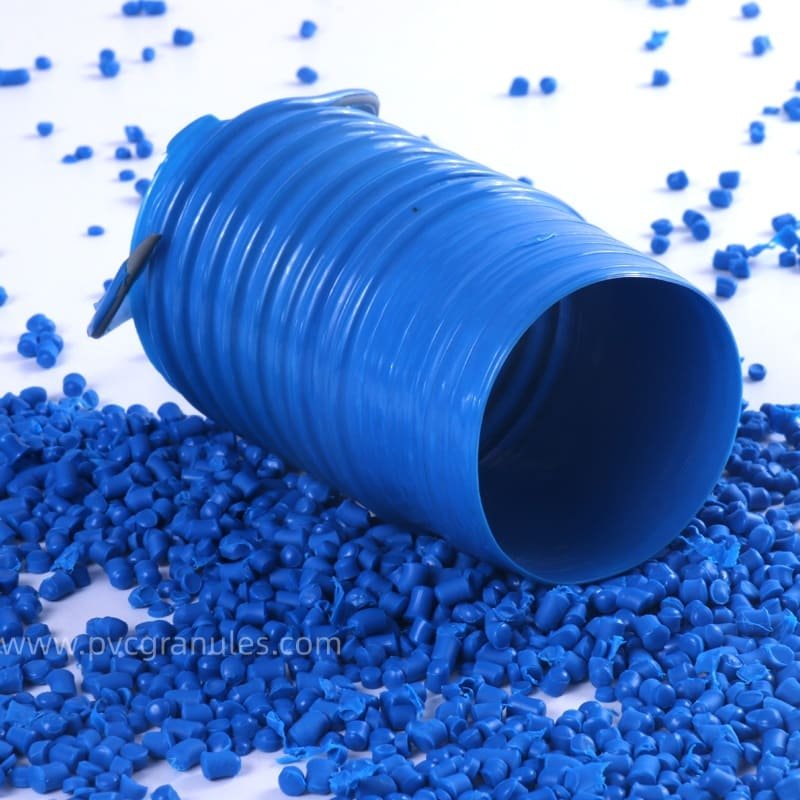
Let's break down why this specific formula works so well. The K-value is a number that tells us about the molecular weight of the PVC resin. A higher K-value means a higher molecular weight, which generally leads to better mechanical properties. For drainage pipes3 that need to be strong, a K-value between 65 and 70 is ideal. We often recommend using an SG5 type PVC resin as the base. The real magic, however, is in the additives. We add a moderate amount of plasticizer to give the pipe enough flexibility to handle ground movement without cracking. At the same time, we add a filler like calcium carbonate5. This filler increases the pipe's stiffness, or what we call "ring stiffness6," which is its ability to resist being crushed. It's a careful balancing act. I remember a client in Southeast Asia whose pipes were deforming after installation. We analyzed their compound and suggested increasing the calcium carbonate5 content. This small change significantly improved the pipe's rigidity and solved the problem immediately. This is why a custom formulation is so important.
Why do communication pipes need highly flexible PVC granules7?
Imagine pulling expensive fiber optic cables through a conduit, only to have them snag or get damaged because the pipe is too rigid and won't bend. This can halt a project and lead to huge losses. The solution is to use an ultra-flexible PVC compound.
Communication pipes require highly flexible PVC granules7 with a lower K-value of 60-65 and more plasticizer to ensure easy bending and protect the delicate cables inside. This formulation allows the pipe to be easily installed around corners and obstacles.
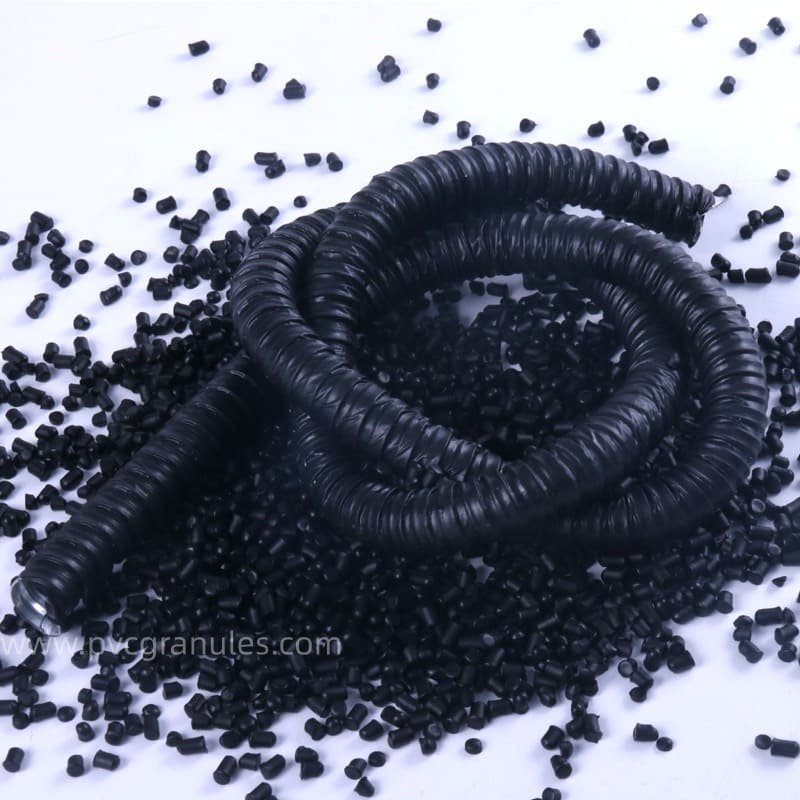
The goal here is the opposite of drainage pipes3. Instead of rigidity, we want maximum flexibility. We start with a PVC resin that has a lower K-value, typically in the 60-65 range, like an SG7 type resin8. This lower molecular weight makes the material flow more easily during processing and results in a more flexible final product. The most important ingredient for these applications is the plasticizer. We might add a significant amount, sometimes 15-25% of the total formula, using plasticizers like DOP (dioctyl phthalate). This makes the pipe very elastic and gives it excellent performance, even in low temperatures where other materials might become brittle. Many of our customers have successfully switched from Polypropylene (PP) to our custom PVC compounds9 for their communication pipes. They find that PVC can offer a better cost-performance ratio and allows for more precise adjustments to the formula. However, it's important to note that this switch sometimes requires checking if the customer's extrusion machine screw is designed to handle PVC, as it processes differently than PP.
What are the critical properties of PVC granules for electrical conduit10 pipes?
An electrical fire caused by a failed conduit is a major safety hazard that can lead to devastating consequences and strict regulatory fines. The primary job of an electrical conduit10 is to protect wires and prevent these disasters. This requires a very specific set of properties from the PVC compound.
The most critical properties for electrical conduit10 granules are excellent electrical insulation and good weather resistance. This is achieved using an SG6 type PVC resin with specific heat stabilizers and UV stabilizers11 to ensure safety and longevity.
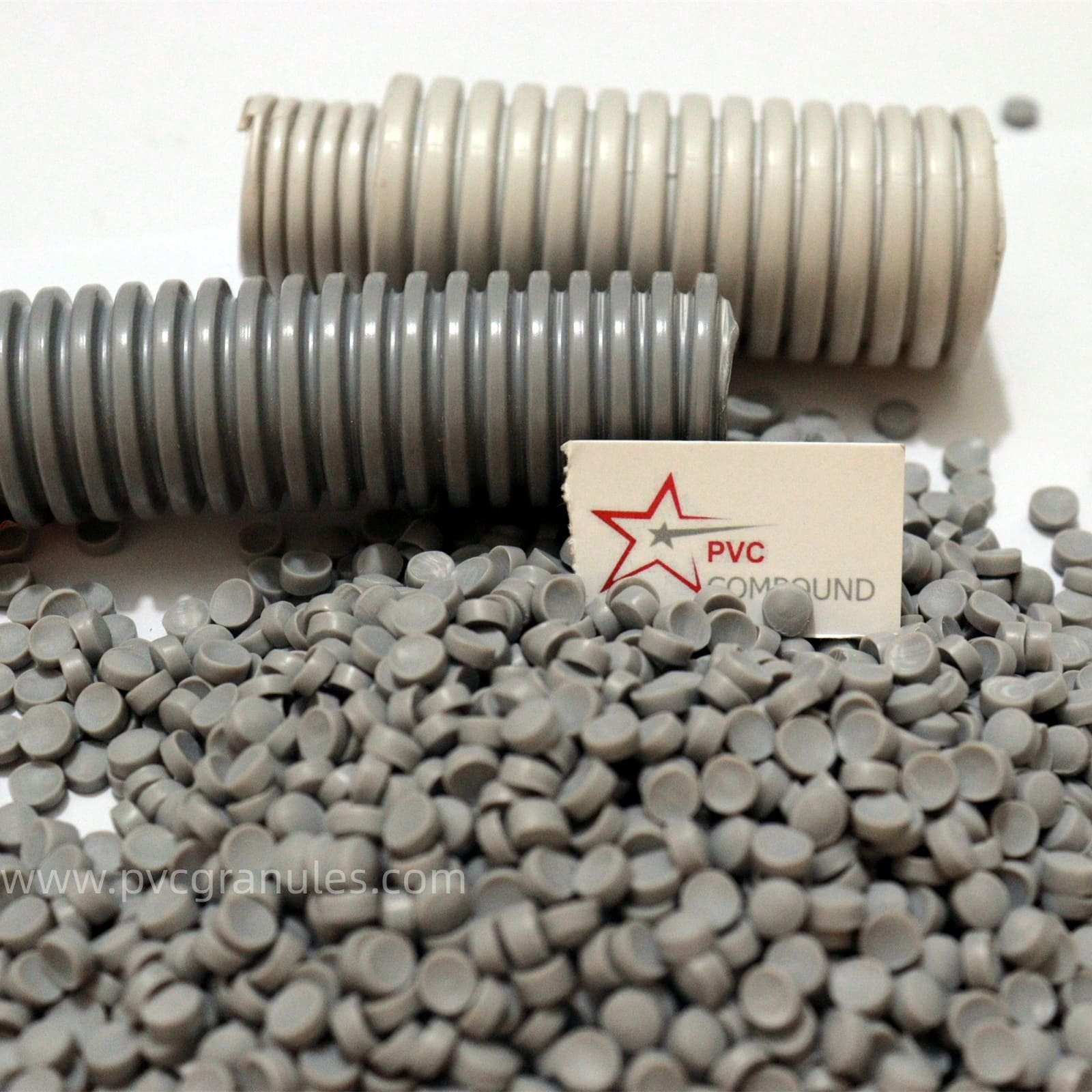
For this application, safety is the number one priority. The PVC formula must have superior insulation properties to prevent any electrical leakage. This is a fundamental characteristic of PVC, but we enhance it with the right additives. We typically use an SG6 type resin as a balanced starting point. Then, we add high-quality heat stabilizers. During processing and over the pipe's lifetime, heat can cause PVC to degrade, which could compromise its insulating ability. Heat stabilizers prevent this. For conduits that will be exposed to sunlight, adding UV stabilizers11 is essential. Without them, the sun's radiation can make the PVC brittle over time. We also aim for a medium level of flexibility—enough for electricians to install it easily, but rigid enough to offer solid protection for the wires inside. As an ISO 9001 certified12 company, we ensure our compounds for electrical applications meet international standards like RoHS and REACH13. This gives our clients confidence that their products are safe, compliant, and ready for markets in Europe, North America, and beyond.
How do you achieve maximum rigidity in PVC granules for spiral reinforced pipes14?
When you are dealing with large-diameter pipes for major infrastructure like municipal sewer systems, failure is not an option. A collapse could be catastrophic, causing massive service disruptions and financial losses. These pipes need to withstand immense pressure, so the PVC compound must be engineered for maximum strength.
To achieve extreme rigidity for spiral reinforced pipes14, you need PVC granules with a low K-value, high strength, and special reinforcing additives like ACR and CPE impact modifier15s. This ensures the pipe has a very high ring stiffness6 to handle heavy loads.
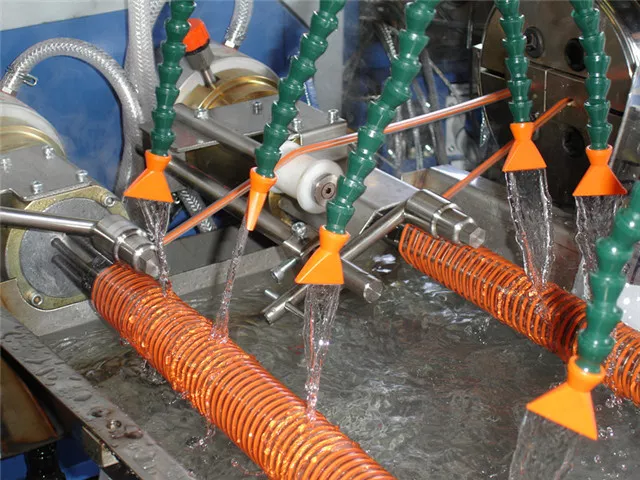
This is where PVC engineering gets serious. These large pipes, sometimes with diameters over 1000mm, rely on their "ring stiffness6" to survive underground. To achieve this, we formulate the compound for ultimate rigidity and strength. We often start with a lower K-value resin, like an SG4 type, because it provides a very rigid base. Then, we add a powerful combination of additives. We use reinforcing agents and impact modifiers to build strength. For example, ACR (Acrylic) acts as a processing aid and also enhances the strength of the final product. CPE (Chlorinated Polyethylene) is an impact modifier that gives the pipe toughness, so it doesn't become a brittle plastic that could crack under sudden pressure. The goal is to create a material that is incredibly strong and resistant to deformation. I've worked with clients on major municipal projects where these massive pipes were required. The formulation has to be perfect, tested, and completely reliable, because the stakes are incredibly high. It’s a great example of how a precisely customized PVC compound is essential for high-performance, critical applications.
Conclusion
Ultimately, the right PVC granule is always tied to the pipe's final use. From flexible conduits to massive reinforced pipes, the specific formula is the key to performance, safety, and success.
Understanding the right PVC granule choice can significantly impact your project's success and cost-effectiveness. ↩
Discover the key elements in creating an effective PVC compound formula for various applications. ↩
Explore the best materials for drainage pipes to ensure durability and prevent costly repairs. ↩
Learn how the K-value affects the strength and performance of drainage pipes. ↩
Discover how calcium carbonate enhances the rigidity and performance of PVC pipes. ↩
Understanding ring stiffness is crucial for ensuring the structural integrity of large-diameter pipes. ↩
Find out how flexible PVC granules can improve the installation and performance of communication pipes. ↩
Learn about SG7 type resin and its advantages for creating flexible communication conduits. ↩
Learn how custom PVC compounds can optimize performance for specific applications. ↩
Understanding the properties of electrical conduit materials is essential for safety and compliance. ↩
Explore the importance of UV stabilizers in enhancing the longevity and safety of PVC products. ↩
Explore the significance of ISO 9001 certification in ensuring quality and compliance in manufacturing. ↩
Understanding RoHS and REACH regulations is essential for compliance in the global market. ↩
Learn best practices for manufacturing spiral reinforced pipes to ensure maximum strength and reliability. ↩
Learn how CPE impact modifiers contribute to the toughness and reliability of PVC products. ↩
