
Are your PVC products heavier than expected? The weight issue likely comes from your PVC compound formulation1. Understanding material density can save costs and improve performance.
To make PVC lightweight, focus on three key areas: choose low-density plasticizers2 (like DOS at 0.912 g/cm³), reduce calcium carbonate filler3 content, and optimize injection molding parameters4 for minimal material usage while maintaining strength.
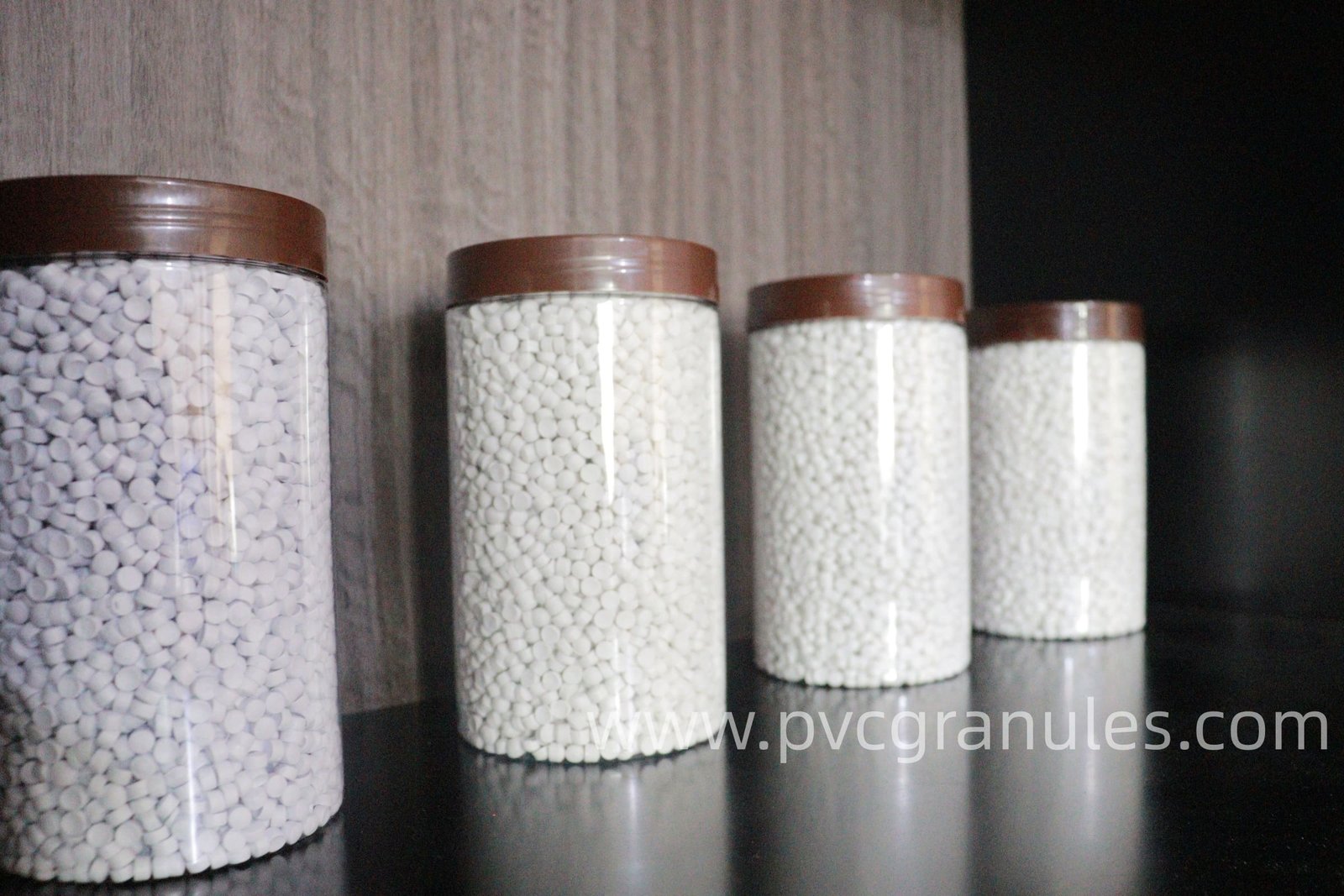
Weight reduction in PVC manufacturing directly impacts your bottom line and product competitiveness. Let me share practical solutions from our 15 years of PVC compound production experience.
Why do transparent PVC products have different weights?
Transparent PVC weight differences puzzle many manufacturers. You might think all clear materials weigh the same, but that's not true.
The weight variation in transparent PVC comes from different plasticizers used in the formulation. Each plasticizer has a unique specific gravity5 that directly affects the final product weight.
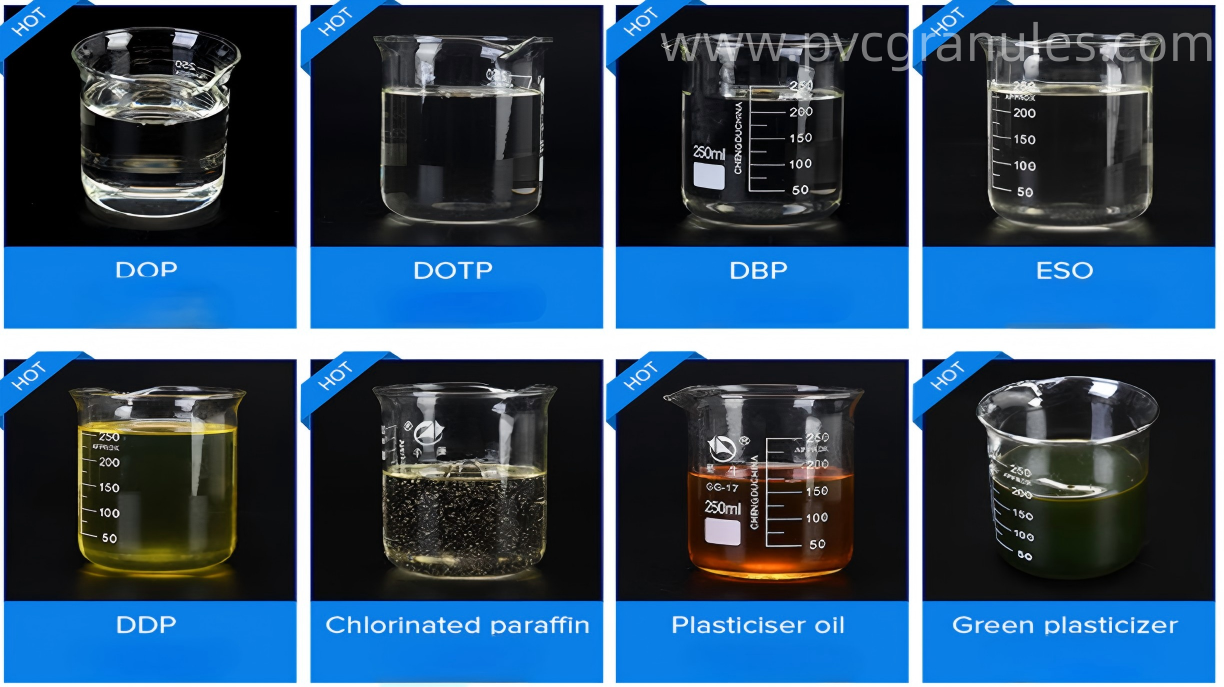
The plasticizer choice makes a huge difference in your final product weight. I've seen customers reduce their product weight by 8-12% just by switching plasticizers. Here's the density data for common PVC plasticizers at 25°C:
| Plasticizer Type | Density (g/cm³) | Weight Impact | Common Use |
|---|---|---|---|
| DOS (Di-octyl sebacate) | 0.912–0.916 | Lightest | Cold-resistant applications |
| DOA (Di-octyl adipate) | 0.924–0.928 | Very light | Low-temperature flexibility |
| DINP (Di-isononyl phthalate) | 0.973–0.977 | Light | General purpose |
| DOTP (Di-octyl terephthalate) | 0.981–0.985 | Medium | Eco-friendly mainstream |
| DOP (Di-octyl phthalate) | 0.985–0.990 | Medium-heavy | Most common |
| ESO (Epoxidized soybean oil) | 0.988–0.994 | Heavy | Heat stabilizer |
| ATBC (Acetyl tributyl citrate) | 1.040–1.045 | Very heavy | Food/medical grade |
| DBP (Di-butyl phthalate) | 1.045–1.050 | Very heavy | Limited use |
| BBP (Butyl benzyl phthalate) | 1.090–1.100 | Heaviest | Specialty applications |
The density difference between DOS (0.912 g/cm³) and BBP (1.100 g/cm³) is about 20%. This means switching from BBP to DOS can reduce your product weight by nearly one-fifth. We helped a cable manufacturer switch from DOP to DINP and achieved 1.2% weight reduction6 across their entire product line.
How does calcium carbonate affect PVC weight?
Calcium carbonate is the primary filler affecting PVC weight. Many manufacturers don't realize how much control they have over this factor.
Calcium carbonate content directly determines PVC compound weight. Each 10% increase in calcium carbonate adds approximately 0.15-0.20 g/cm³ to the final density, making weight management crucial for cost control.
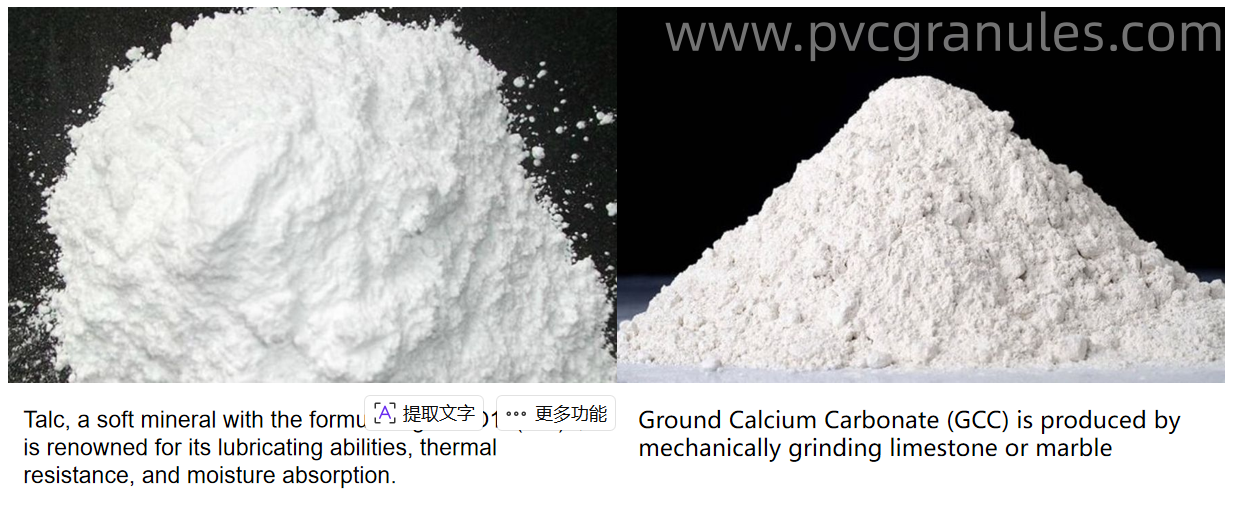
The relationship between calcium carbonate and weight is straightforward but requires careful balance. Pure PVC resin has a density of about 1.40 g/cm³, while calcium carbonate weighs 2.70 g/cm³. Every percentage point of calcium carbonate you add increases the overall density.
For opaque flexible PVC, we typically see these calcium carbonate levels:
| Application | CaCO₃ Content | Typical Density | Weight Consideration |
|---|---|---|---|
| Premium cables | 5-15% | 1.45-1.55 g/cm³ | Lightweight priority |
| Standard profiles | 15-25% | 1.55-1.65 g/cm³ | Balanced performance |
| Cost-effective pipes | 25-40% | 1.65-1.80 g/cm³ | Economy focused |
| Heavy-duty flooring | 40-60% | 1.80-2.00 g/cm³ | Durability priority |
I remember working with a pipe manufacturer who wanted to reduce shipping costs. We reformulated their compound from 35% to 25% calcium carbonate, reducing density by 0.12 g/cm³. This 7% weight reduction6 saved them $180,000 annually in shipping fees alone. The key was maintaining impact strength7 through optimized particle size distribution8 and surface treatment of the remaining calcium carbonate.
What injection molding parameters4 reduce PVC weight?
Injection molding optimization offers immediate weight savings without changing your material formulation. This approach works especially well for rigid PVC applications9.
Optimize injection molding through four key parameters: increase injection speed for better melt flow, reduce holding pressure to minimum required levels, optimize cooling time for dimensional stability10, and precisely control shot size to eliminate excess material.

The core principle is "use less material, maintain strength, avoid sink marks, prevent short shots." This requires understanding how each parameter affects material flow and part quality. From our testing with rigid PVC pipe fittings, here's what works:
Injection Speed Optimization: Increase injection speed by 15-25% to improve melt flow efficiency11. Faster injection reduces the need for excessive material to fill complex geometries. We've seen 3-5% weight reduction6 just from speed optimization.
Pressure Management: Reduce holding pressure to the minimum required for dimensional stability10. Start with 20% reduction from your current settings and gradually decrease while monitoring part quality. Lower pressure means less material packed into the mold cavity.
Cooling Control: Optimize cooling time to prevent over-packing. Faster cooling locks in the part geometry sooner, preventing additional material from entering the cavity during the holding phase.
Shot Size Precision: Calculate exact material volume needed and reduce shot size by 2-3%. Monitor for short shots and adjust incrementally. This directly translates to weight reduction6.
The process requires systematic testing. Start with one parameter at a time, measure results, and document changes. We helped a fitting manufacturer reduce part weight by 8% through parameter optimization alone, saving 120 tons of material annually without compromising quality standards.
Conclusion
PVC weight reduction6 combines smart material selection, optimized formulations, and precise processing parameters to achieve significant cost savings12 while maintaining performance standards.
Understanding PVC compound formulation is crucial for optimizing weight and performance in manufacturing. ↩
Exploring low-density plasticizers can lead to significant weight reductions in PVC products. ↩
Learn how calcium carbonate filler affects the density and cost of PVC products. ↩
Optimizing injection molding parameters can lead to immediate weight savings and improved efficiency. ↩
Understanding specific gravity helps in selecting the right plasticizers for weight management. ↩
Discover practical strategies for reducing weight in PVC manufacturing to enhance competitiveness. ↩
Maintaining impact strength is essential for product durability during weight reduction efforts. ↩
Optimizing particle size distribution can lead to better weight management in PVC formulations. ↩
Optimizing rigid PVC applications can lead to significant material savings and improved product performance. ↩
Achieving dimensional stability is key to ensuring the quality of lightweight PVC products. ↩
Improving melt flow efficiency can significantly enhance the quality and weight of PVC products. ↩
Understanding the cost savings from weight reduction can motivate manufacturers to optimize their processes. ↩
