
Are you tired of dealing with debris and fine shreds clogging up your vacuum machine? This common issue in rigid PVC extrusion1 can slow down production and affect quality.
The best way to solve the problem of debris in your vacuum machine during rigid PVC extrusion1 is through a combination of supplier collaboration2 and regular maintenance. Ask your supplier to use sharper blades3 and adjust their vibrating screens4, while you ensure frequent cleaning of your extruder's vacuum port5 to maintain strong suction.

Dealing with production interruptions6 is frustrating, but understanding the root cause can turn a problem into an opportunity for improvement. In my 15 years of experience in the PVC compound7 industry, I've seen how a few small adjustments can make a huge difference. Let's dive into why this debris occurs and how you can manage it effectively to keep your operations running smoothly.
Why is debris a natural part of rigid PVC production?
Are you wondering why your rigid PVC granules always seem to come with some fine shreds? It's a valid concern, but the answer lies in the material's fundamental properties.
The hardness of rigid PVC is the primary reason debris is created during granulation. With a hardness rating of around Shore D80, the material behaves much like stone. When you cut stone, you expect dust and small chips; similarly, processing hard PVC naturally produces some fine shreds and dust.
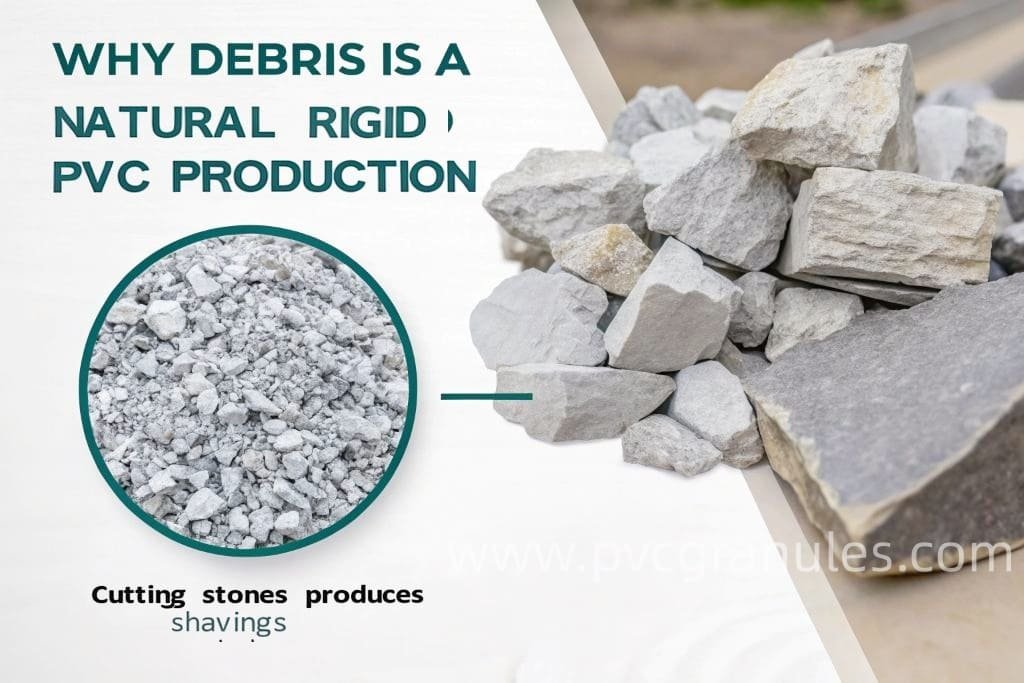
In our manufacturing process, we've developed a multi-stage system to manage this. It's a challenge we've tackled head-on for over 15 years. The first step is a vibrating screen right after the granulation stage. This screen is crucial, as it filters out more than 80% of the debris before the granules even make it into the packaging. Then, during your extrusion process8, the vacuum equipment on your machine plays another key role. It's designed to pull away most of the remaining fine particles, accounting for about another 15% of the initial debris. The final 5% or so is so fine that it simply enters the extruder screw with the granules, where it is plasticized and melts seamlessly into the final product. This systematic approach ensures that the vast majority of debris is removed before it can cause any issues, like blockages or loss of suction in your vacuum system.
How can you and your supplier work together to reduce debris?
Feeling like the debris is still too much? The good news is that you can take proactive steps with your supplier to improve the quality of the granules you receive.
A strong partnership with your supplier is key. Simple requests, like asking them to use sharper, newer cutting blades and to fine-tune their vibrating screen settings, can significantly reduce the amount of debris generated from the start.
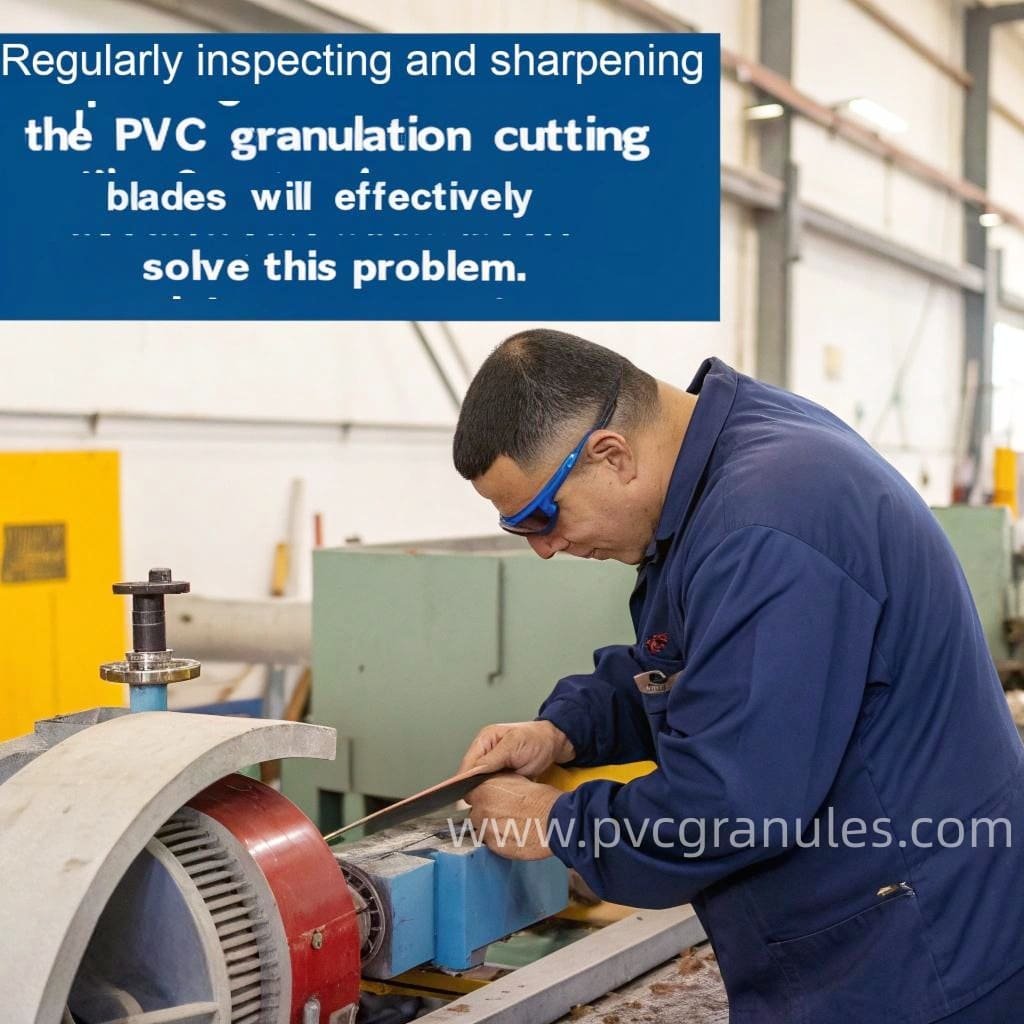
From my experience as a manufacturer, I can tell you that these are reasonable and effective requests. Sharper blades make cleaner cuts, creating fewer fine shreds during the pelletizing step. Think of it like cutting vegetables with a sharp knife versus a dull one; the sharp knife gives you clean pieces, while the dull one crushes and creates more mess. Similarly, adjusting the mesh size and vibration frequency of the screening equipment can more effectively separate the granules from the unwanted finer particles. On your end, the most critical action is regular maintenance of your extrusion line. The vacuum port5 on your extruder needs to be cleaned frequently. Over time, fine dust can build up and restrict airflow, reducing its ability to suck away debris. A simple cleaning schedule can restore its full power, ensuring it effectively removes that last bit of residual shred before it enters the screw. This two-pronged approach—supplier collaboration2 and in-house maintenance—creates a much cleaner and more efficient production process for everyone.
Does the PVC granule formula affect performance for different pipes?
Are you choosing the right PVC compound7 for your specific pipe application? The formula makes all the difference in performance, durability, and processing efficiency for the final product.
Yes, the specific formulation of PVC granules is critical. Different pipes have vastly different requirements for flexibility, strength, and resistance. Using a customized compound9 designed for your application ensures optimal results and avoids production issues.
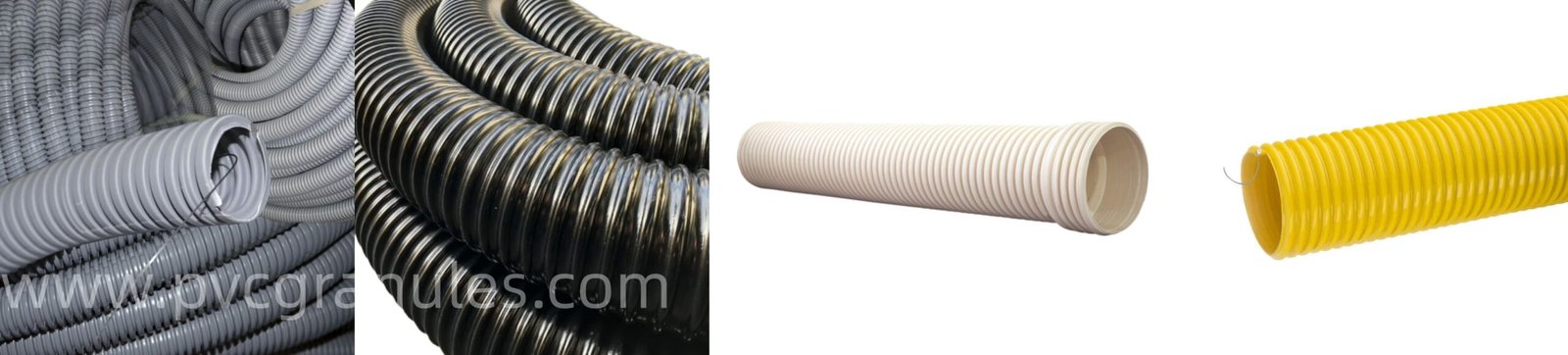
Over the years, we've developed specialized formulas for clients in over 50 countries, catering to a wide range of needs. The key is to balance the properties of the PVC resin, identified by its K-value10, with the right combination of additives like plasticizers, stabilizers, and modifiers. For instance, a drainage pipe needs good rigidity, while a communication conduit must be highly flexible. These opposing needs cannot be met by a single, generic formula. Customizing the compound allows us to enhance specific properties, whether it's impact resistance11 for high-pressure pipes or UV stability12 for outdoor applications. This tailored approach not only improves the final product's quality but also optimizes the extrusion process8, leading to less waste and higher efficiency.
Here's a breakdown of how formulations differ for various corrugated pipes:
| Pipe Type | Key Requirements | Recommended PVC Compound Properties |
|---|---|---|
| Drainage Corrugated Pipe | Good rigidity and thermal stability | K-Value: 65-70. Uses SG5 type PVC resin with calcium carbonate to increase stiffness and ACR processing aids for a smooth finish. |
| Communication Protection Pipe | Excellent flexibility, especially at low temperatures | K-Value: 60-65. Uses SG7 type PVC resin with a higher percentage of plasticizers (15-25% DOP) to enhance elasticity. |
| Wire-Threading Corrugated Pipe | Superior electrical insulation and weather resistance | K-Value: Medium. Uses SG6 type PVC resin with UV stabilizers and antioxidants to protect against degradation from sunlight and heat. |
| Spiral Reinforced Pipe | Extremely high rigidity and pressure resistance | K-Value: Low. Uses SG4 type PVC resin, fortified with impact modifiers like ACR and CPE to achieve high ring stiffness and strength. |
Conclusion
In short, managing PVC debris is a team effort between you and your supplier. Clear communication and consistent machine maintenance are the keys to a smooth, efficient production line.
Explore this link to learn effective techniques that enhance production quality and efficiency in rigid PVC extrusion. ↩
Discover how working closely with suppliers can lead to better materials and improved production outcomes. ↩
Find out how using sharper blades can significantly reduce debris and improve product quality in manufacturing. ↩
Learn about the importance of vibrating screens in filtering materials and enhancing production efficiency. ↩
Get insights on maintaining vacuum ports to ensure optimal performance and reduce production issues. ↩
Explore common causes of production interruptions and strategies to minimize their impact on operations. ↩
Understand how the right PVC compound formulation can impact product performance and processing efficiency. ↩
Learn about the extrusion process and how each step contributes to the final product quality. ↩
Learn how tailored PVC compounds can enhance product quality and meet specific application needs. ↩
Explore the concept of K-value and its importance in determining the properties of PVC resins. ↩
Discover the importance of impact resistance in PVC pipes and how it affects their durability and performance. ↩
Find out why UV stability is crucial for outdoor PVC products and how it can prevent degradation. ↩
