
The material choice you make in 2026 will be the most critical strategic decision affecting your operational costs and quality risks.
Lead-free PVC compounds1 offer superior safety and regulatory compliance2 compared to traditional PVC3, but the transition requires careful consideration of cost implications, performance characteristics4, and manufacturing adjustments to ensure optimal results.
As manufacturers worldwide face increasing regulatory pressure and environmental demands, the choice between lead-free and traditional PVC3 compounds has become more than just a technical decision. It's a strategic move that will determine your market position for years to come.
What Makes Lead-Free PVC Compounds Different from Traditional Formulations?
Traditional PVC has relied on lead-based stabilizers for decades, but regulatory changes are forcing a complete industry transformation.
Lead-free PVC compounds1 use calcium-zinc, tin-based, or organic stabilizers5 instead of lead, providing equivalent performance while meeting strict environmental and health regulations without compromising product quality.

The fundamental difference lies in the stabilizer system. Traditional PVC compounds have used lead-based stabilizers since the 1950s because they provided excellent heat stability6 and processing characteristics at low cost. However, lead-free alternatives have evolved significantly over the past decade.
Modern lead-free formulations use three main stabilizer categories. Calcium-zinc systems offer excellent long-term stability and are ideal for rigid applications like pipes and profiles. Tin-based stabilizers provide superior clarity for transparent applications but come at higher cost. Organic stabilizers work well for flexible applications and offer good processing characteristics.
The performance gap between lead-free and traditional systems has narrowed dramatically. Our testing shows that properly formulated lead-free compounds can match or exceed traditional PVC3 in key performance metrics including heat stability6, weatherability, and mechanical properties.
| Stabilizer Type | Heat Stability | Cost Factor | Best Applications |
|---|---|---|---|
| Lead-based (Traditional) | Excellent | 1.0x | All applications (being phased out) |
| Calcium-Zinc | Very Good | 1.2x | Rigid pipes, profiles, windows |
| Tin-based | Excellent | 1.8x | Clear bottles, medical devices7 |
| Organic | Good | 1.4x | Flexible cables, flooring |
How Do Performance Characteristics Compare Between These Two Options?
The performance comparison reveals surprising advantages for modern lead-free formulations in several key areas.
Lead-free PVC compounds1 demonstrate superior long-term stability, better color retention8, and enhanced processability compared to traditional lead-based systems, while maintaining equivalent mechanical properties.
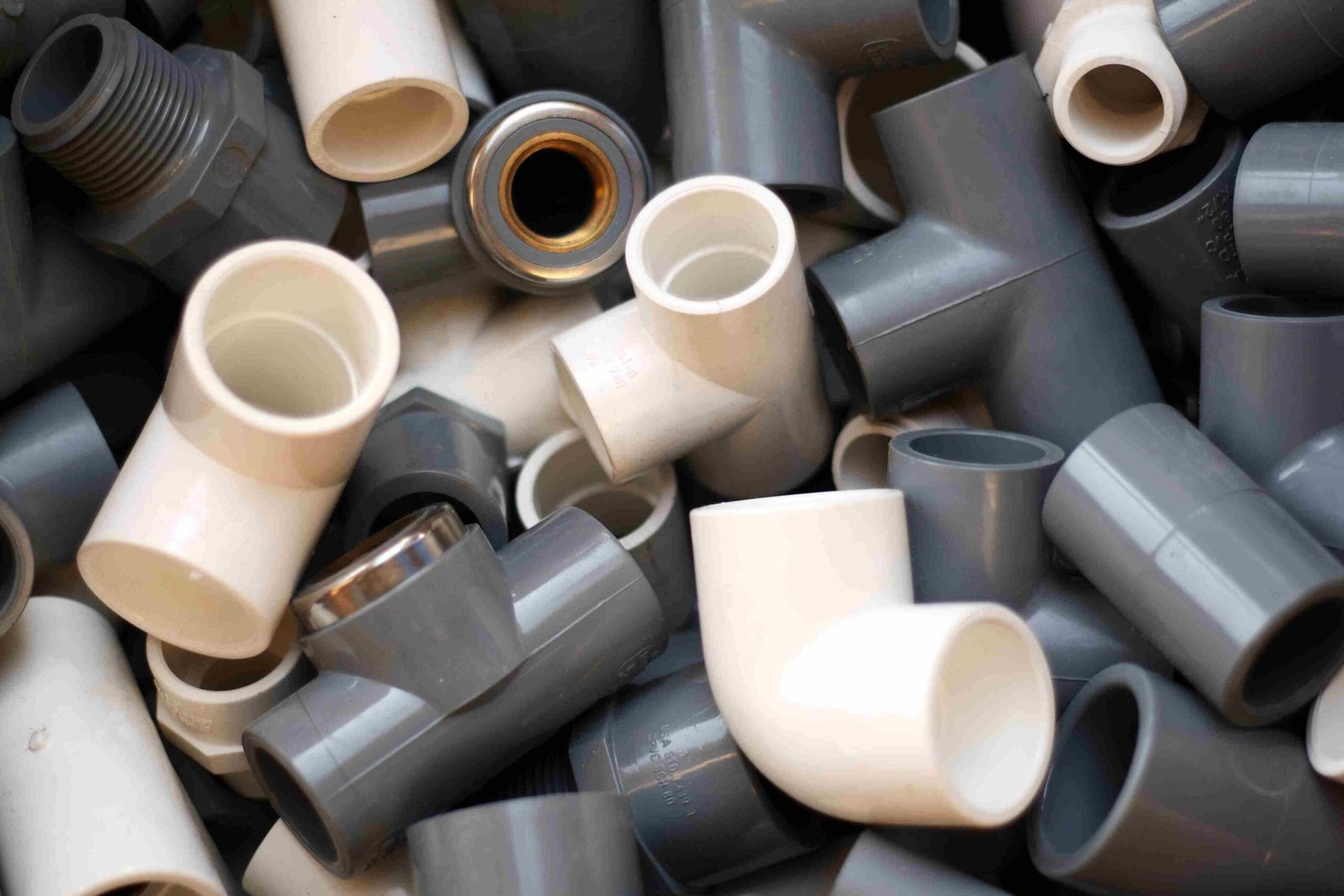
Heat stability testing shows lead-free compounds perform exceptionally well. Our laboratory tests demonstrate that calcium-zinc stabilized compounds maintain their properties at processing temperatures up to 200°C for extended periods. This matches or exceeds traditional lead-based systems in most applications.
Color stability represents a significant advantage for lead-free systems. Lead-based compounds tend to darken over time due to lead sulfide formation, while lead-free alternatives maintain their original color throughout their service life. This is particularly important for visible applications like window profiles and siding.
Processing characteristics have improved dramatically with modern lead-free formulations. Advanced processing aids and lubricant systems compensate for any differences in melt flow behavior. Many manufacturers report smoother processing and reduced plate-out when switching to properly formulated lead-free compounds.
Mechanical properties show minimal differences between systems. Tensile strength, impact resistance, and flexural modulus remain within acceptable ranges for both formulations. The key is proper formulation optimization for each specific application.
Weather resistance actually favors lead-free systems in many cases. UV stabilization packages work more effectively without lead interference, resulting in better long-term outdoor performance.
What Are the Real Cost Implications of Making This Transition?
Cost analysis reveals a more complex picture than simple raw material price comparisons suggest.
While lead-free PVC compounds cost 10-25% more in raw materials, total cost of ownership often favors lead-free systems due to improved processing efficiency9, reduced waste, and elimination of regulatory compliance2 costs.
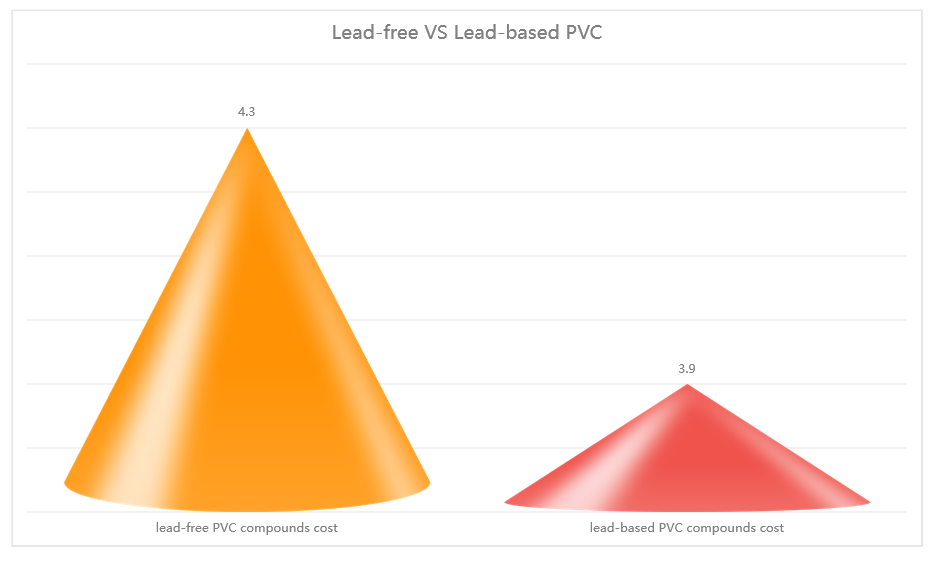
Raw material costs do show lead-free systems at a premium. Calcium-zinc stabilizers typically add $50-80 per ton compared to lead-based systems. Tin-based systems can add $200-300 per ton for premium applications. However, this represents only part of the total cost equation.
Processing improvements often offset raw material costs. Lead-free systems typically process more cleanly with reduced plate-out and die buildup. This translates to longer production runs, reduced downtime for cleaning, and lower reject rates. Our customers report 15-20% improvements in overall equipment effectiveness after transitioning.
Regulatory compliance costs are becoming significant factors. Lead-based systems require special handling procedures, worker protection measures, and waste disposal protocols. These hidden costs often exceed $30-50 per ton when fully calculated.
Market access benefits provide additional value. Many markets now restrict or ban lead-containing products. Early adoption of lead-free systems opens access to premium market segments and environmentally conscious customers willing to pay higher prices.
Quality consistency improvements reduce total costs. Lead-free systems show better batch-to-batch consistency, reducing customer complaints and warranty claims. This quality advantage becomes increasingly valuable in competitive markets.
Which Applications Benefit Most from Lead-Free Formulations?
Specific applications show clear advantages when using lead-free PVC compounds over traditional alternatives.
Potable water systems, food contact applications10, and products requiring regulatory approval benefit significantly from lead-free PVC compounds due to enhanced safety profiles and simplified certification processes.
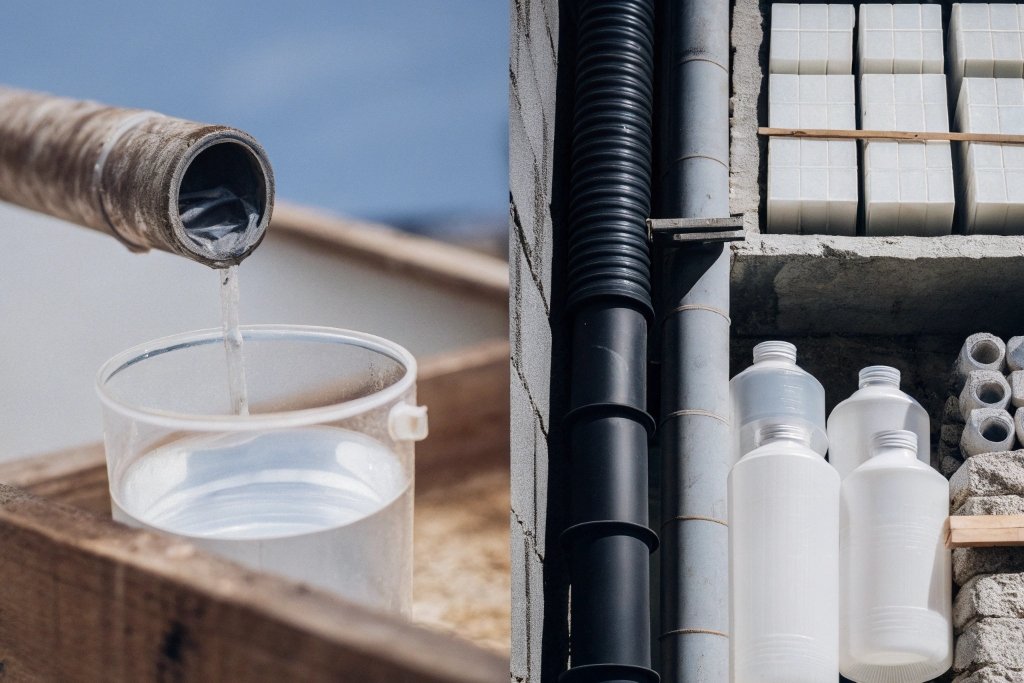
Potable water applications represent the clearest case for lead-free systems. Regulatory agencies worldwide have implemented strict limits on lead leaching from water contact materials. NSF certification becomes much simpler with lead-free formulations, and many utilities now specify lead-free materials regardless of regulatory requirements.
Medical and pharmaceutical applications increasingly require lead-free materials. FDA approval processes are streamlined when lead is eliminated from formulations. European medical device regulations specifically restrict lead content, making lead-free systems essential for global market access.
Food packaging and processing equipment benefit from lead-free formulations. While PVC use in direct food contact is limited, many processing applications require materials that won't contaminate food streams. Lead-free systems eliminate this concern entirely.
Construction applications in sensitive environments favor lead-free systems. Schools, hospitals, and residential applications increasingly specify lead-free materials as standard practice. This trend is accelerating as awareness of lead health effects increases.
Export markets often require lead-free certification. Many countries have implemented restrictions on lead-containing materials, making lead-free systems essential for international trade. This requirement extends beyond direct regulations to customer specifications and insurance requirements.
Application-Specific Considerations
| Application Category | Lead-Free Advantage | Key Benefits |
|---|---|---|
| Water Systems | Essential | NSF certification, health safety |
| Medical Devices | Required | FDA approval, global compliance |
| Food Processing | Preferred | Contamination prevention |
| Construction | Increasing | Building codes, insurance |
| Export Markets | Often Required | International regulations |
Conclusion
Lead-free PVC compounds1 represent the future of the industry, offering equivalent performance with superior regulatory compliance2 and often lower total cost of ownership despite higher raw material costs.
Explore the advantages of lead-free PVC compounds for safety and compliance. ↩
Learn about the compliance landscape for PVC materials and its implications. ↩
Understand the differences between traditional PVC and lead-free options. ↩
Explore the key performance metrics of lead-free PVC compounds. ↩
Explore the role of organic stabilizers in flexible PVC applications. ↩
Understand the importance of heat stability in PVC formulations. ↩
Understand the compliance requirements for PVC in medical applications. ↩
Learn about the significance of color retention in PVC applications. ↩
Discover strategies to enhance processing efficiency in PVC production. ↩
Explore the regulations governing PVC use in food-related products. ↩
