
Many people new to the PVC industry often confuse these two materials. They think PVC resin1 and PVC granules2 are the same thing. This confusion can cost you time and money.
PVC resin1 is a powder-form raw material made from chlorine and ethylene, while PVC granules2 are pellet-shaped compounds created by mixing PVC resin1 with additives3 through extrusion. The resin is the base ingredient, and granules are the finished plastic material ready for manufacturing.

Understanding this difference changed how I approach material selection for my clients. Let me walk you through everything you need to know about these two essential PVC materials.
What exactly is PVC resin1 and why does it matter?
PVC resin1 looks like fine white powder sitting in your palm. You might wonder how this simple powder becomes the plastic products we use every day.
PVC resin1 is the basic raw material formed when chlorine gas combines with ethylene monomer to create a powder compound. It serves as the foundation ingredient for all PVC products, from pipes to granules, requiring additional processing before use.
I remember visiting a resin production facility for the first time. The process fascinated me. Chlorine gas and ethylene monomer react under controlled conditions to form polyvinyl chloride chains. These chains create the white powder we call PVC resin1.
The resin itself cannot be used directly for manufacturing. Think of it like flour for baking. You need other ingredients to make the final product. PVC resin1 requires stabilizers, plasticizers, and other additives3 to become useful.
Different grades of PVC resin1 exist for different applications. Suspension grade resin works best for rigid applications4 like pipes and profiles. Emulsion grade resin suits flexible applications better. The molecular weight and particle size vary between grades.
| Resin Type | Particle Size | Best Applications | Processing Method |
|---|---|---|---|
| Suspension Grade | 100-200 microns | Pipes, profiles, sheets | Dry blending |
| Emulsion Grade | 0.1-2 microns | Flexible films, coatings | Paste processing |
| Bulk Grade | 50-150 microns | General purpose | Various methods |
Most manufacturers cannot use raw PVC resin1 directly. The powder form makes it difficult to feed into processing equipment. It also lacks the properties needed for specific applications. This is where PVC granules2 become essential.
How are PVC granules2 different from raw resin?
PVC granules2 feel smooth and uniform when you run them through your fingers. Each pellet contains a carefully balanced formula designed for specific applications.
PVC granules2 are pellet-shaped plastic compounds made by mixing PVC resin1 with stabilizers, plasticizers, fillers, and other additives3 through twin-screw extrusion and pelletizing5. They come ready-to-use for injection molding, extrusion, and other plastic processing methods6.

The transformation from resin powder to granules involves precise engineering. I have worked with this process for over 15 years. We feed PVC resin1 into our twin-screw extruders along with carefully measured additives3. The screws mix and melt everything together at controlled temperatures.
The hot mixture passes through a die and gets cut into uniform pellets. These pellets cool and become PVC granules2. The entire process requires expertise to ensure consistent quality. Temperature control, mixing ratios, and cooling rates all affect the final product.
PVC granules2 come in three main categories. Rigid granules contain minimal plasticizer for applications like pipes and window profiles. Semi-rigid granules have moderate flexibility7 for items like garden hoses. Flexible granules contain high plasticizer content for products like wire insulation and medical tubing.
Color options range from crystal clear to opaque colors. We can match specific color requirements using masterbatch8 or direct coloring methods. Special properties can be added during granule production.
| Granule Type | Shore Hardness | Typical Applications | Key Properties |
|---|---|---|---|
| Rigid | Shore D 65-85 | Pipes, profiles, sheets | High strength, chemical resistance |
| Semi-rigid | Shore A 85-95 | Hoses, gaskets | Moderate flexibility7, durability |
| Flexible | Shore A 55-85 | Wire coating, medical tubing | High flexibility7, clarity options |
The granule form offers major advantages for manufacturers. Easy feeding into processing equipment eliminates dust and handling issues. Consistent pellet size ensures uniform melting and processing. Pre-mixed formulations save time and reduce quality variations.
Why can't you use PVC resin1 directly in manufacturing?
Imagine trying to feed flour directly into a bread machine without mixing it with other ingredients. The result would be disappointing and unusable.
PVC resin1 alone lacks thermal stability9, processability, and specific performance properties needed for manufacturing. It requires stabilizers to prevent degradation, plasticizers for flexibility7, and other additives3 for color, UV resistance, or flame retardancy before processing into finished products.
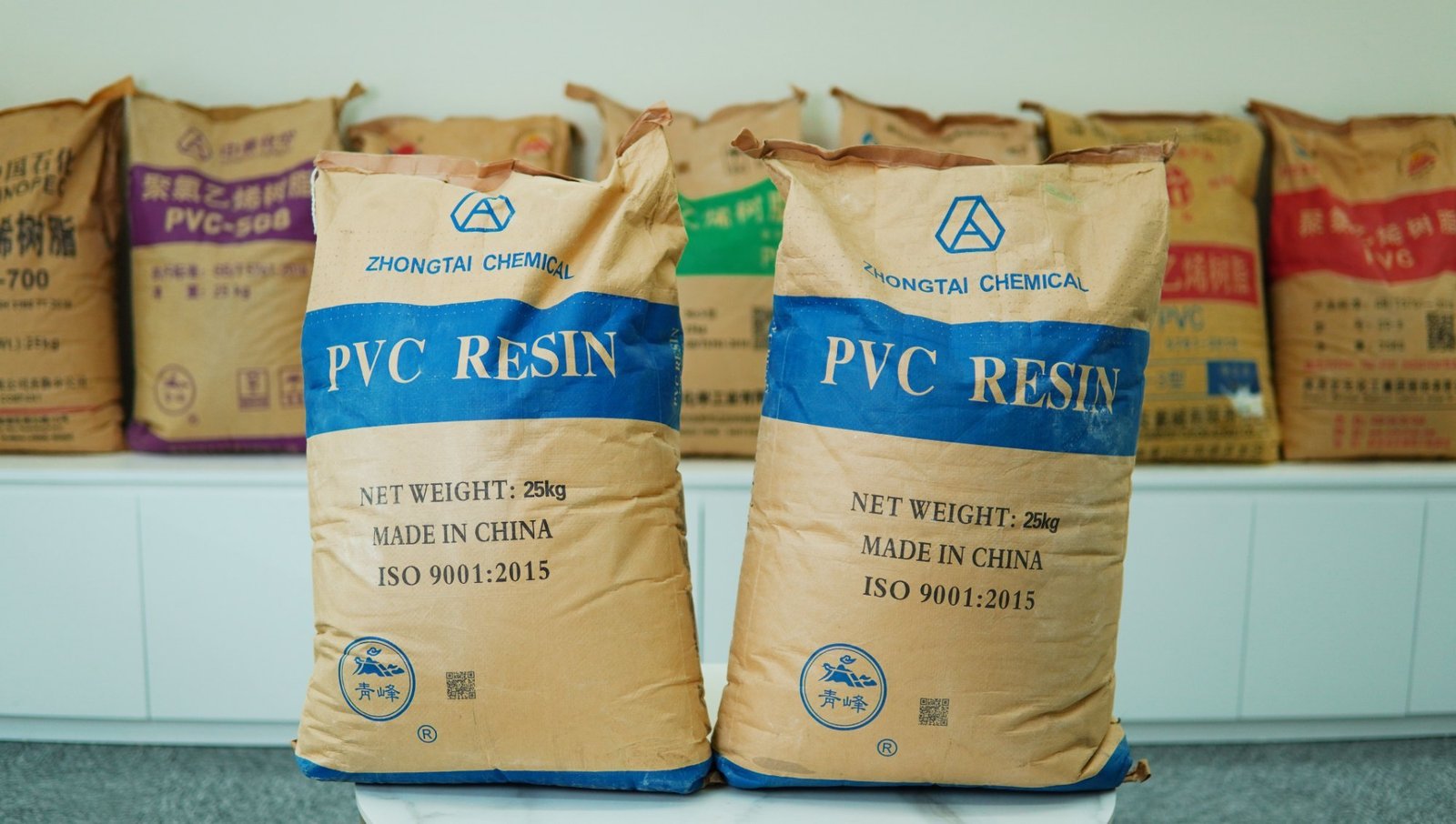
Pure PVC resin1 decomposes when heated during processing. The decomposition releases hydrochloric acid gas, which damages equipment and creates safety hazards. Heat stabilizers prevent this decomposition by capturing the acid before it forms.
Processing pure resin also creates feeding problems. The fine powder tends to bridge in hoppers and creates inconsistent flow rates. Dust generation poses health and cleanliness issues in production facilities. Electrostatic charges can build up and create handling difficulties.
Performance limitations make pure resin unsuitable for most applications. Rigid PVC resin1 becomes brittle without impact modifiers10. Clear applications need processing aids11 for optical clarity. Outdoor applications require UV stabilizers12 to prevent degradation.
I have seen manufacturers try to add additives3 directly during processing. This approach creates several problems. Mixing becomes inconsistent, leading to quality variations. Some additives3 require specific temperatures or mixing times that conflict with processing conditions. Color distribution often appears streaky or uneven.
The dry blending approach works for some simple applications. Manufacturers mix PVC resin1 with powdered additives3 before processing. However, this method has limitations. Powder segregation can occur during transport and handling. Achieving uniform distribution becomes difficult with liquid additives3. Processing windows become narrower and more critical.
Compounding into granules solves these problems. Pre-mixing ensures uniform additive distribution throughout each pellet. The granule form eliminates dust and feeding issues. Processing becomes more consistent and predictable. Quality control improves significantly.
What makes PVC granules2 more versatile for manufacturing?
PVC granules2 offer flexibility7 that pure resin cannot match. Each granule contains a precisely engineered formula tailored for specific applications and processing methods6.
PVC granules2 provide superior versatility through customizable formulations that can include UV stabilizers12, flame retardants13, impact modifiers10, processing aids11, and colorants. This allows manufacturers to achieve specific properties like weather resistance, fire safety, transparency, or enhanced durability without additional compounding steps.

The modification process during granule production opens endless possibilities. We can adjust hardness from flexible rubber-like materials to rigid engineering plastics. Transparency ranges from crystal clear to completely opaque. Special properties can be engineered into the base formulation.
Weather resistance becomes possible through UV stabilizer packages. I have developed formulations that maintain color and properties after years of outdoor exposure. Flame retardancy can be achieved using halogen-free or traditional flame retardant systems depending on application requirements.
Impact resistance improves dramatically with proper modifier selection. Acrylic impact modifiers10 work well for clear applications. Chlorinated polyethylene provides excellent low-temperature performance. The choice depends on the final application requirements and processing conditions.
Processing aids make difficult applications possible. External lubricants reduce processing temperatures and improve surface finish. Internal lubricants prevent sticking and improve flow properties. Thermal stabilizers extend processing windows and improve color stability.
| Property Enhancement | Additive Type | Benefit | Typical Applications |
|---|---|---|---|
| UV Resistance | UV Absorbers/HALS | Extended outdoor life | Siding, fencing, outdoor furniture |
| Flame Retardancy | Phosphate/Antimony compounds | Fire safety compliance | Electrical, construction |
| Impact Resistance | Acrylic/CPE modifiers | Toughness at low temperatures | Automotive, packaging |
| Processing | Lubricants/stabilizers | Better flow, surface quality | All applications |
Food-grade applications require special attention to additive selection. All components must comply with FDA or European food contact regulations. We maintain separate production lines for food-grade materials to prevent cross-contamination.
Medical applications demand even stricter requirements. Biocompatibility testing ensures safety for human contact. USP Class VI certification may be required for certain applications. Traceability becomes critical for regulatory compliance.
The customization extends to processing requirements. Injection molding grades have different melt flow characteristics14 than extrusion grades. Blow molding applications need specific melt strength properties. Calendering grades require different rheological behavior.
Conclusion
PVC resin1 serves as the foundation, while PVC granules2 provide the engineered solution ready for manufacturing, each serving distinct roles in the plastic production chain.
Explore the foundational material of PVC products and its significance in manufacturing. ↩
Learn about the transformation of PVC resin into granules and their manufacturing advantages. ↩
Discover the various additives that enhance PVC properties for specific applications. ↩
Discover the specific uses of rigid PVC in construction and manufacturing. ↩
Explore the pelletizing process that transforms PVC resin into usable granules. ↩
Get insights into the various methods used to process PVC for different applications. ↩
Learn about the importance of flexibility in various PVC products and their uses. ↩
Discover how masterbatch is used to achieve specific colors in PVC granules. ↩
Understand the role of thermal stability in ensuring quality during PVC manufacturing. ↩
Find out how impact modifiers improve the durability and performance of PVC products. ↩
Understand the role of processing aids in improving the efficiency of PVC production. ↩
Explore how UV stabilizers protect PVC products from degradation in outdoor applications. ↩
Explore the different flame retardants that enhance safety in PVC applications. ↩
Explore how melt flow characteristics affect the processing of PVC materials. ↩
