
Confused about PVC compounds1 versus resin? Using the wrong material can lead to poor quality and production waste. Understanding the difference is key to selecting the right option for your products.
PVC compounds1, also known as PVC granules2, are a ready-to-use thermoplastic material made by mixing PVC resin3 with additives like plasticizers and stabilizers. PVC resin3 is the raw, unmodified polymer in powder form. The key difference is that compounds are a finished raw material, while resin is the starting ingredient.

Now that we have a basic understanding, you might be wondering why this distinction is so important for your business. The choice between a compound and a raw resin can dramatically impact your production efficiency, product quality, and overall costs. Let's dive deeper into what each material is and why you would choose one over the other.
What Exactly Is a PVC Compound?
Need a versatile plastic for your products but find raw materials difficult to handle? Inconsistent mixing can ruin production runs. PVC compounds1 offer a pre-mixed, reliable solution for high-quality results every time.
A PVC compound, or granule, is a thermoplastic material created by blending PVC resin3 with additives like plasticizers, stabilizers, and fillers. This mixture is then processed, typically through extrusion, and cut into small pellets that are ready for manufacturing.
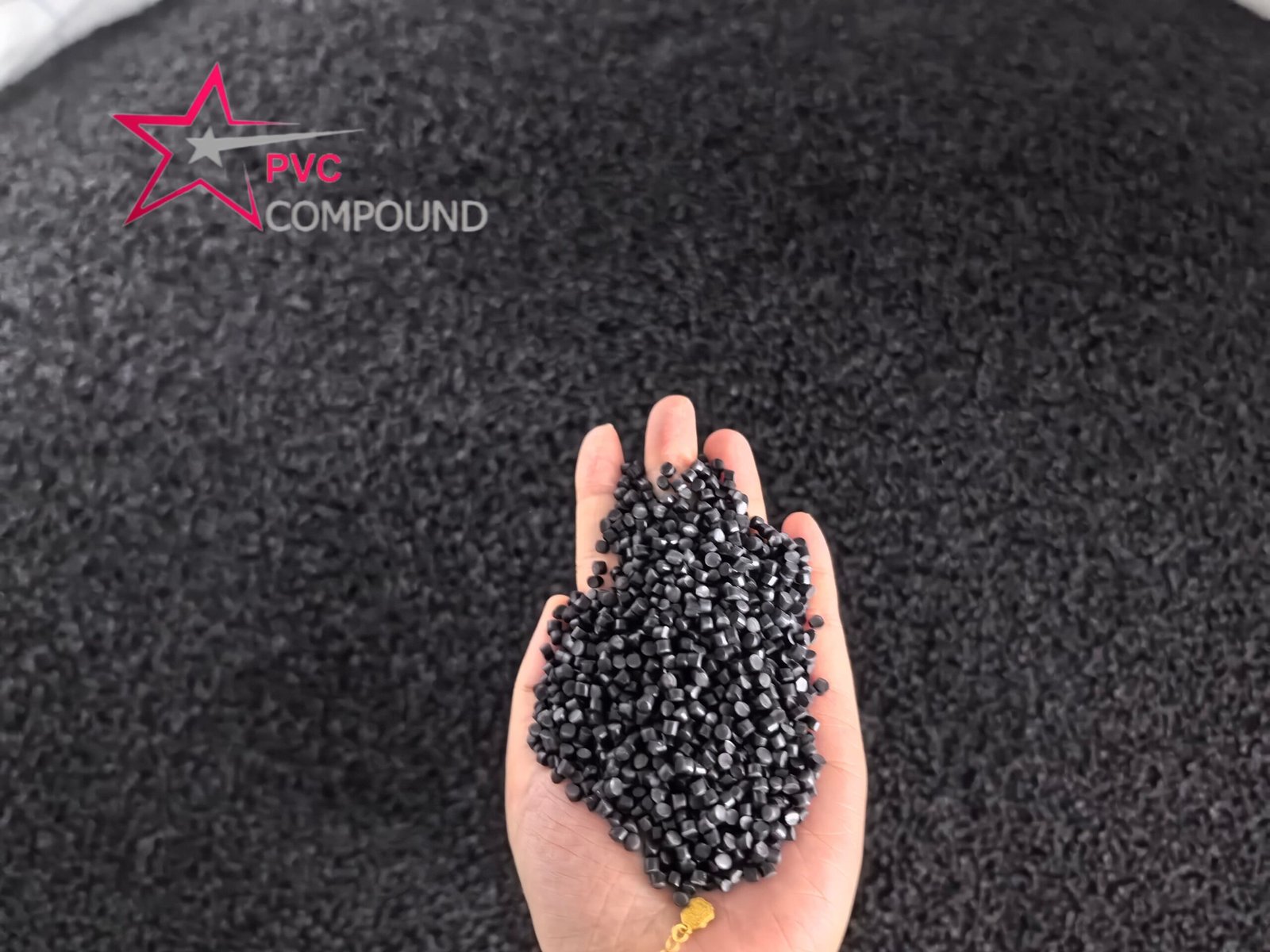
At its core, a PVC compound is an enhanced version of PVC resin3. Think of PVC resin3 as flour—it's the main ingredient, but you can't bake a cake with just flour. You need to add eggs, sugar, and other ingredients to get the desired result. That’s what we do. We take the base PVC resin3 and, with over 15 years of expertise, mix in specific additives to create a "recipe" tailored to your needs. This process, called compounding, transforms the raw powder into a consistent, easy-to-use granule. For example, we add plasticizers to make the material flexible for products like hoses or shoe soles, and we add stabilizers to improve heat resistance for items like window profiles. This ensures every single granule performs exactly as expected in your machines, giving you a stable and reliable production process.
| Compound Type | Key Additives | Common Applications |
|---|---|---|
| Rigid (uPVC) | Stabilizers, Fillers | Pipes, Window Frames, Fittings |
| Flexible (PVC-P) | Plasticizers, Stabilizers | Cables, Hoses, Shoe Soles, Flooring |
| Transparent | Minimal Fillers/Pigments | Packaging, Medical Tubing, Bottles |
| Specialty | Flame Retardants, UV Inhibitors | Automotive Parts, Medical Devices |
How Is PVC Resin Different from a Compound?
Thinking of using raw PVC resin3 directly in your machines to cut costs? This approach can lead to equipment issues and failed products. Understanding why resin is just a starting point helps you avoid these expensive mistakes.
PVC resin3 is the raw polymer form of polyvinyl chloride, typically a fine white powder. Unlike a ready-to-use compound, it lacks the necessary additives for stability, flexibility, or specific performance characteristics. It's an ingredient, not the final, process-ready material.
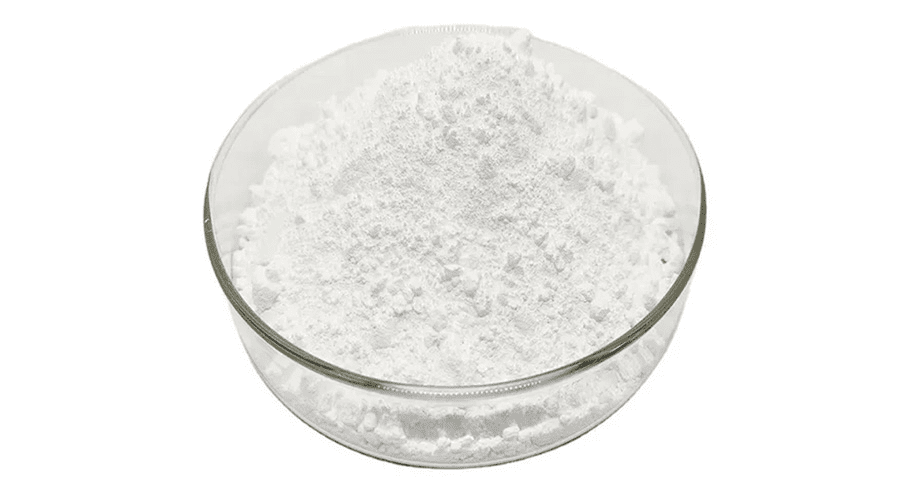
The fundamental difference lies in their form and function. PVC resin3 is the basic polymer created from the polymerization of vinyl chloride monomer. On its own, it's brittle and not very heat-stable. Using this raw powder directly in an extruder or injection molding machine4, especially a single-screw machine, often leads to problems like poor plasticization. This means the material doesn't melt and mix properly, resulting in inconsistent product quality, weak spots, and a higher rate of defects. As a manufacturer with over 15 years of experience, I've seen this happen too many times. Companies try to save money by mixing in-house, but they end up with inconsistent batches that harm their final product's reputation. A compound, on the other hand, has already been perfectly mixed and processed, ensuring every granule melts and flows uniformly.
| Feature | PVC Compound (Granule) | PVC Resin (Powder) |
|---|---|---|
| Form | Small pellets (granules) | Fine white powder |
| Composition | PVC resin3 + additives | Raw polyvinyl chloride polymer |
| Processing | Ready-to-use in machines | Requires mixing with additives first |
| Consistency | High batch-to-batch consistency | Risk of inconsistency if mixed on-site |
| Best For | High-quality finished products | Creating PVC compounds1 |
Why Should You Choose PVC Compounds for Your Products?
Struggling to achieve consistent quality in your PVC products? Batch-to-batch variations can damage your brand and increase costs. Using professionally made PVC compounds1 guarantees the stability and performance your products demand.
Choosing PVC compounds1 over raw resin simplifies your production and improves final product quality. It ensures consistent performance, better plasticization, and adherence to specific requirements like hardness or flame retardancy, which is difficult to achieve when mixing resin on-site.
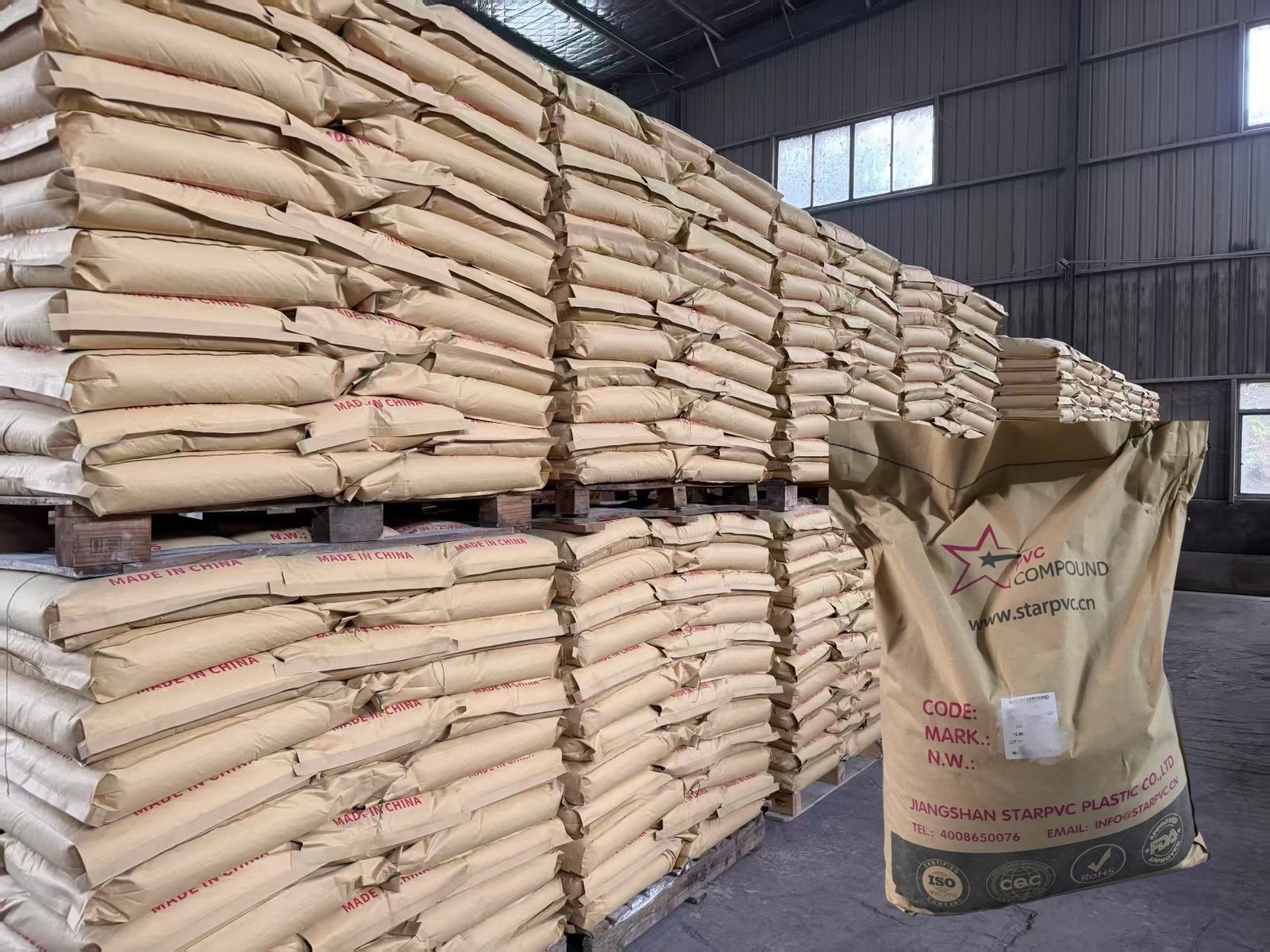
From my perspective as a manufacturer, the decision to use PVC compounds1 is about risk management and quality assurance. When our clients—global brands with annual purchases over $5 million—come to us, they need absolute certainty. They can't afford production shutdowns or product failures due to inconsistent raw materials. By using our customized PVC compounds1, they gain several key advantages. First is consistency. Our 15 automated production lines ensure every batch is identical, with properties like color difference controlled to ΔE≤1.0. This dramatically reduces our clients' scrap rates. Second is performance. For a product like a shoe sole, you need a specific flexibility and abrasion resistance. We tailor the formula to deliver that exact performance, something that's nearly impossible to achieve by just adding resin powder to a machine. This helps our clients build a better, more competitive final product. Finally, it's about efficiency. Our granules are ready-to-use, saving you the complex step of mixing and testing, which allows you to focus on what you do best: manufacturing.
Conclusion
In short, PVC compounds1 are the smart, reliable choice over raw resin for high-quality manufacturing. They streamline your production process, ensure product consistency, and deliver superior performance in your final application.
Explore the advantages of PVC compounds for consistent quality and efficiency in production. ↩
Learn why PVC granules are the go-to choice for manufacturers, ensuring better quality and consistency in production. ↩
Understand the key differences between PVC resin and compounds to make informed material choices. ↩
Explore this link to discover top-rated injection molding machines that enhance production efficiency and quality. ↩
