
You're probably wondering which stabilizer works best for your PVC compound needs. The wrong choice can ruin your entire production batch and cost thousands of dollars.
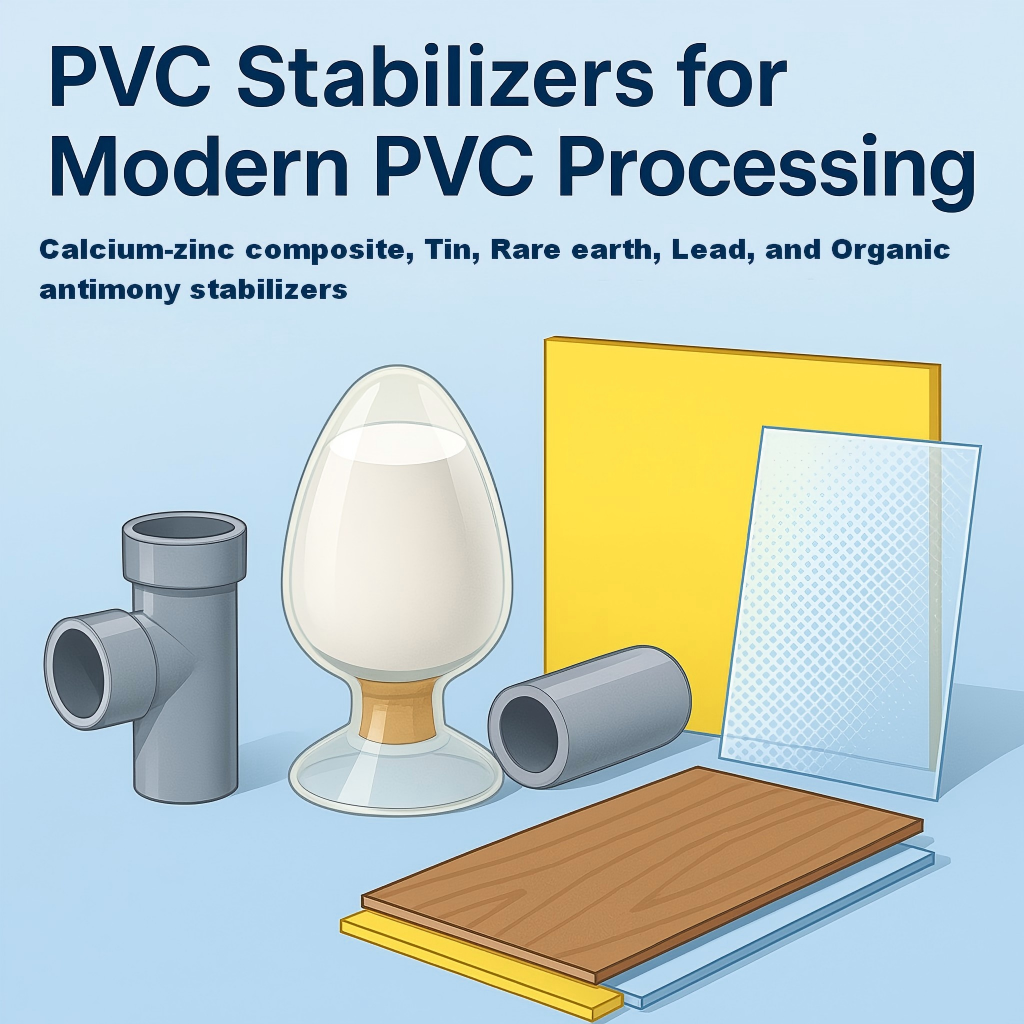
The five main stabilizer types for PVC compounds are calcium-zinc composite1, Tin2, rare earth3, lead4, and organic antimony5 stabilizers. Each offers distinct advantages: calcium-zinc provides environmental safety6, Tin2 based stabilizer delivers superior transparency7, rare earth3 offers enhanced weatherability, lead4 based gives excellent thermal stability8 (though being phased out), and organic antimony5 balances performance with cost-effectiveness9.
After 15 years of manufacturing PVC compounds for over 50 countries, I've seen firsthand how the right stabilizer choice can make or break a product. Let me share what we've learned about each type and when to use them.
Why does calcium-zinc composite1 stabilizer dominate the modern PVC market?
Most manufacturers today choose calcium-zinc stabilizers for good reasons. Environmental regulations keep getting stricter worldwide.
Calcium-zinc composite stabilizers combine calcium and zinc soaps with co-stabilizers10 like hydrotalcite11 and epoxidized soybean oil. They offer excellent environmental safety6, good transparency7, and moderate cost, making them suitable for food contact applications and general-purpose PVC products.
We use calcium-zinc stabilizers in about 60% of our rigid PVC pipe compound production. The main components include calcium stearate, zinc stearate, hydrotalcite11, and various polyols. These work together through different mechanisms12 - calcium provides initial thermal protection, zinc offers long-term stability, and co-stabilizers10 prevent zinc burning13 at high temperatures.
The biggest advantage is environmental compliance. These stabilizers contain no heavy metals and meet FDA14, EU, and other international food contact standards. We can produce compounds for drinking water pipes, food packaging15, and medical applications16 without toxicity concerns.
However, calcium-zinc systems have limitations. At temperatures above 200°C, zinc ions can actually catalyze PVC degradation - we call this "zinc burning13." This means we need careful formulation with the right co-stabilizers10. The thermal stability8 isn't as strong as lead4 or tin systems, especially for long-term heat exposure applications.
| Property | Calcium-Zinc | Lead Salt | Organotin |
|---|---|---|---|
| Environmental Safety | Excellent | Poor | Good |
| Thermal Stability | Good | Excellent | Excellent |
| Transparency | Good | Poor | Excellent |
| Cost | Moderate | Low | High |
| Food Contact | Yes | No | Yes |
For our rigid pipe compounds, we typically use 2-4 parts per hundred resin (phr) of calcium-zinc stabilizer systems. The exact amount depends on the processing temperature and end-use requirements.
Organotin stabilizers cost 3-5 times more than calcium-zinc, but some applications justify this expense. Crystal-clear transparency7 requires the best stabilizers available.
Organotin stabilizers like methyltin and butyltin mercaptides provide superior thermal stability8 and exceptional transparency7. They're ideal for clear rigid PVC applications, medical devices, and food contact products, though their high cost limits use to premium applications.
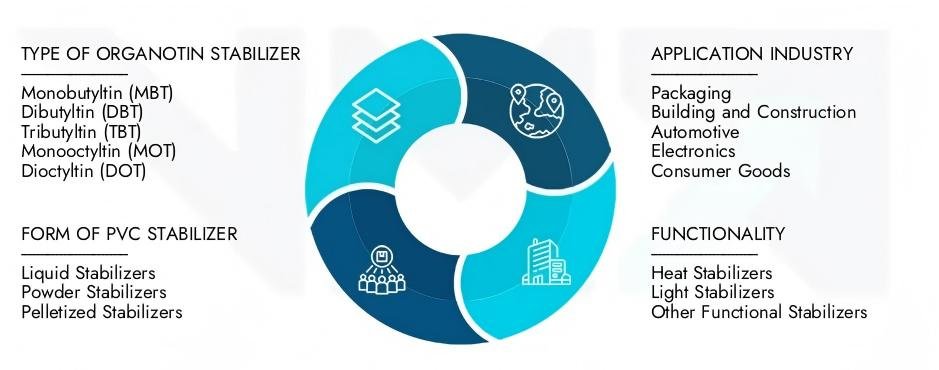
We reserve organotin stabilizers for our highest-value transparent compounds. The most common types we use are methyltin mercaptoacetate and butyltin maleate. These provide almost water-clear transparency7 - something impossible with other stabilizer systems.
The thermal stability8 is outstanding. Organotin stabilizers can handle processing temperatures17 up to 220°C without significant degradation. This makes them perfect for transparent rigid sheets, bottles, and medical tubing where both clarity and thermal resistance matter.
One major advantage is efficiency. We typically use only 1-2 phr of organotin stabilizers compared to 3-4 phr for calcium-zinc systems. The stabilization mechanism involves the tin atom forming coordination complexes with chloride ions, preventing HCl elimination that causes degradation.
But there are downsides. Cost is the obvious one - a 1000 kg batch might cost $300-500 more just for the stabilizer. Some organotin compounds also have slight odors that can be problematic in certain applications. Additionally, when used in rigid compounds, organotin can reduce the Vicat softening temperature18 by 5-10°C.
We mainly use organotin for transparent rigid compounds, clear flexible films, and medical-grade formulations. For soft transparent PVC, organotin helps achieve better clarity than calcium-zinc alternatives.
How do rare earth3 stabilizers offer unique advantages for outdoor applications?
Rare earth stabilizers represent innovative Chinese technology that's gaining international recognition. These systems offer benefits you won't find elsewhere.
Rare earth stabilizers use lanthanum and cerium compounds to provide excellent weatherability and thermal stability8. They're non-toxic, offer good transparency7, and can synergize with calcium-zinc systems to extend thermal stability8 by over 30%.
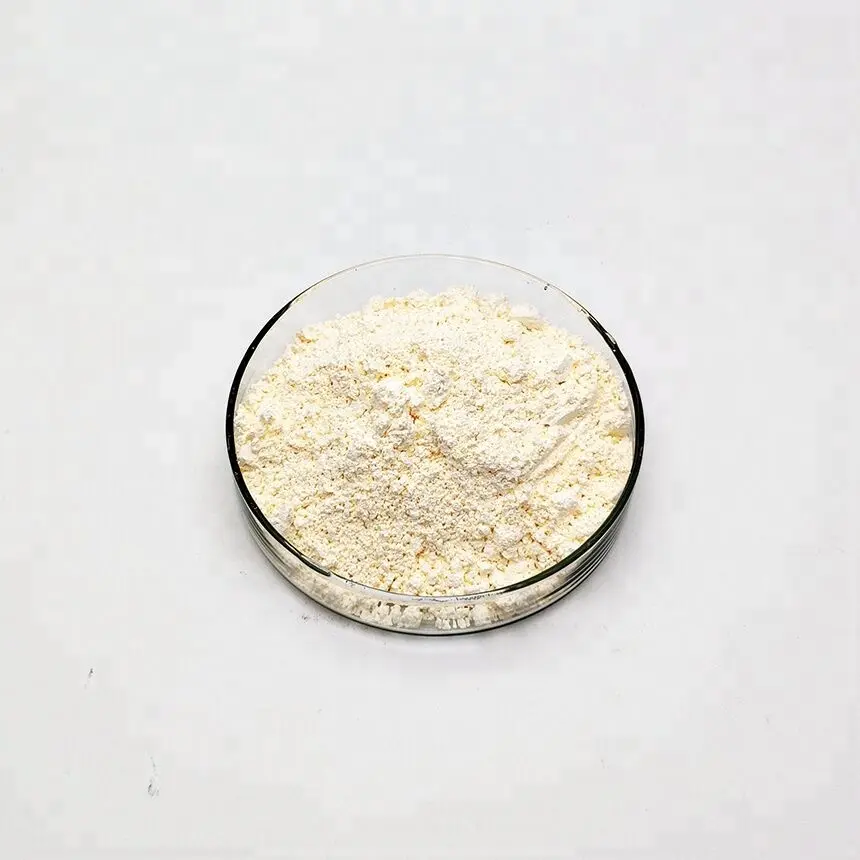
China's abundant rare earth3 resources make these stabilizers economically viable here. We use lanthanum stearate and cerium citrate in various combinations. The stabilization mechanism involves rare earth3 ions scavenging free radicals and forming stable complexes with PVC chains.
The weathering performance is exceptional. Rare earth stabilizers maintain color stability and mechanical properties much better than conventional systems under UV exposure19. We've tested compounds with 10-year outdoor exposure showing minimal yellowing or property loss.
One unique advantage is the synergistic effect with other stabilizers. When we combine rare earth3 stabilizers with calcium-zinc systems, the thermal stability8 time increases by 30-40% compared to calcium-zinc alone. This lets us achieve lead4-salt-level performance with environmental safety6.
The cost is 15-20% higher than calcium-zinc but still much lower than organotin. Initial color development can be slightly poorer than calcium-zinc, and the stabilizers work better in combination rather than alone.
We use rare earth3 stabilizers primarily for outdoor profiles, construction panels, and applications requiring extended UV exposure19. The combination with calcium-zinc creates our premium eco-friendly stabilizer system.
Why are lead4 salt stabilizers still used despite environmental concerns?
Lead stabilizers dominated PVC for decades because they simply work better than anything else for thermal stability8. Understanding their properties helps explain why replacement has been challenging.
Lead salt stabilizers like tribasic lead4 sulfate provide exceptional thermal stability8 and electrical properties at very low cost. However, their toxicity has led to global phase-out regulations, making them unsuitable for most modern applications despite superior technical performance.
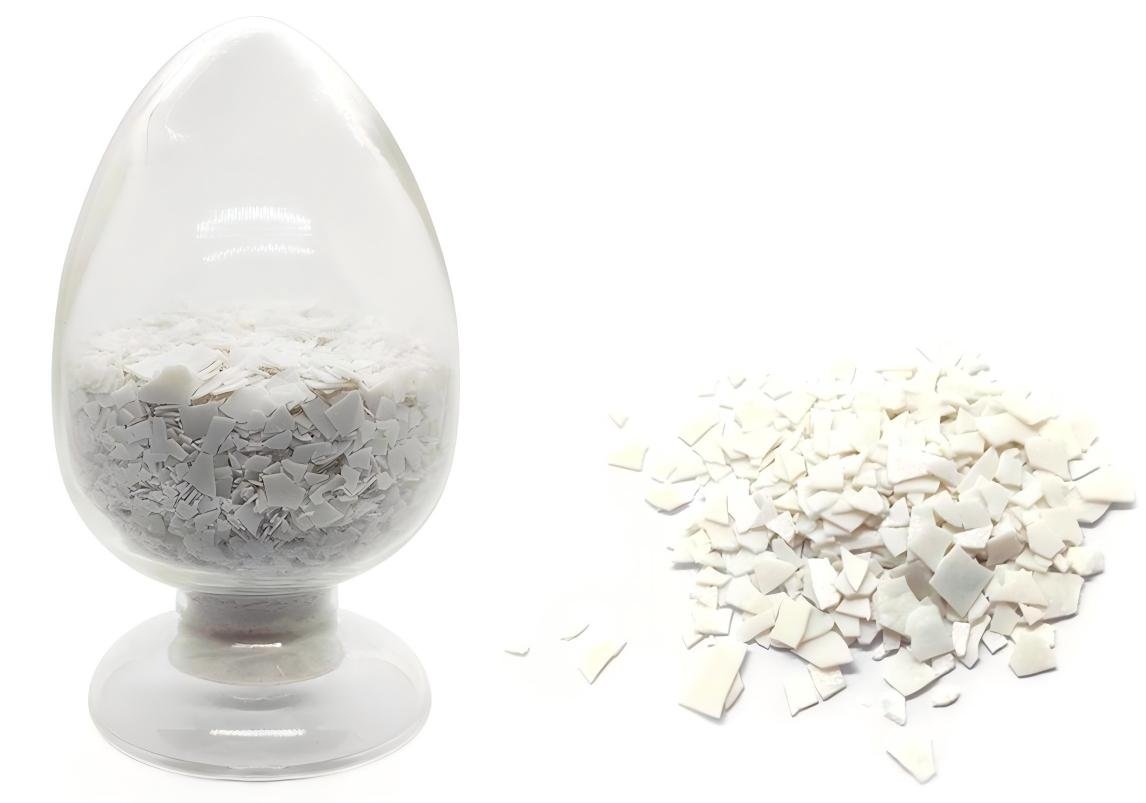
We still encounter lead4 stabilizers in legacy formulations and some export markets with less strict regulations. The most common types are tribasic lead4 sulfate, dibasic lead4 phosphite, and lead4 stearate. These provide thermal stability8 times 50-100% longer than calcium-zinc systems.
The technical advantages are undeniable. Lead stabilizers handle processing temperatures17 up to 230°C without degradation. They offer excellent electrical insulation properties and very low cost - often 1/3 the price of calcium-zinc systems. The stabilization mechanism involves lead4 ions neutralizing HCl and forming stable lead4 chloride complexes.
However, the disadvantages are severe. Lead is highly toxic, causing neurological damage and environmental contamination. Most countries now ban or restrict lead4 stabilizers in consumer products. The compounds also cause sulfur staining - turning black when exposed to hydrogen sulfide.
Lead stabilizers provide no lubrication, requiring additional lubricant systems. They're completely opaque, making them unsuitable for any transparent applications.
| Application | Lead Era | Modern Alternative |
|---|---|---|
| Rigid Pipes | Tribasic Lead Sulfate | Calcium-Zinc + Co-stabilizers |
| Cable Compounds | Lead Stearate | Calcium-Zinc + Antioxidants |
| Profiles | Lead Phosphite | Rare Earth + Calcium-Zinc |
We've completely phased out lead4 stabilizers for new formulations. Existing customers still using lead4-based compounds are transitioning to our calcium-zinc alternatives with performance additives20.
What makes organic antimony5 stabilizers a specialized choice?
Organic antimony stabilizers occupy a niche position - offering performance between calcium-zinc and organotin systems. They're worth considering for specific applications.
Organic antimony stabilizers like antimony mercaptocarboxylates provide thermal stability8 approaching organotin levels with better transparency7 than calcium-zinc systems. They cost less than organotin but more than calcium-zinc, making them suitable for mid-range transparent applications.
We use antimony stabilizers mainly for transparent rigid applications where organotin cost isn't justified but calcium-zinc transparency7 isn't sufficient. The most common types are antimony tris(isooctyl thioglycolate) and antimony mercaptoacetate compounds.
The thermal stability8 is impressive - nearly matching organotin performance. Antimony stabilizers can handle 200-210°C processing temperatures17 with good stability. The transparency7 is significantly better than calcium-zinc, though not quite reaching organotin clarity levels.
Cost positioning makes antimony attractive for certain markets. They typically cost 40-60% more than calcium-zinc but 50-70% less than organotin. This creates opportunities for applications needing better performance than calcium-zinc without organotin pricing.
The main limitations are market maturity and supply chain. Fewer suppliers produce antimony stabilizers compared to calcium-zinc or organotin systems. Some compounds have slight odors, and the overall market share remains small.
We recommend antimony stabilizers for transparent rigid sheets, clear profiles, and applications where moderate price premiums are acceptable for improved clarity and thermal performance.
Conclusion
Choosing the right PVC stabilizer depends on your specific application requirements, environmental regulations, and cost targets. Calcium-zinc dominates for environmental safety6, organotin excels in transparency7, while emerging alternatives offer specialized benefits for targeted applications.
Explore the advantages of calcium-zinc composite stabilizers, especially their environmental safety and suitability for food contact. ↩
Learn about Tin stabilizers and their superior transparency, making them ideal for specific PVC applications. ↩
Discover how rare earth stabilizers enhance weatherability and thermal stability in PVC compounds. ↩
Understand the reasons behind the continued use of lead stabilizers and their exceptional thermal stability. ↩
Find out how organic antimony stabilizers balance performance and cost for mid-range transparent applications. ↩
Explore the environmental safety standards that PVC stabilizers must meet for various applications. ↩
Discover how transparency levels differ among various PVC stabilizers and their impact on applications. ↩
Learn about the factors influencing thermal stability in different types of PVC stabilizers. ↩
Understand the factors that influence the cost-effectiveness of various PVC stabilizers. ↩
Understand the importance of co-stabilizers in enhancing the performance of PVC stabilizers. ↩
Learn about hydrotalcite's function in improving the performance of PVC stabilizers. ↩
Explore the mechanisms through which different PVC stabilizers function to enhance material properties. ↩
Understand the phenomenon of zinc burning in PVC and strategies to prevent it during processing. ↩
Explore the FDA regulations that govern the use of PVC stabilizers in food contact materials. ↩
Explore the most suitable PVC stabilizers for food packaging to ensure safety and compliance. ↩
Discover the role of PVC stabilizers in ensuring safety and performance in medical applications. ↩
Learn about the optimal processing temperatures for different PVC stabilizers to ensure quality. ↩
Discover the significance of Vicat softening temperature in determining the performance of PVC products. ↩
Learn about the performance of PVC stabilizers when exposed to UV light and their weathering capabilities. ↩
Explore the role of performance additives in enhancing the effectiveness of PVC stabilizers. ↩
