
Ever wondered what goes into making those tiny PVC pellets that create countless products around us? The chemistry behind PVC compounds is more complex than you might think.
PVC compound production relies on two main chemical categories: base resins and additives. The base material is PVC resin powder1, while additives include plasticizers2, stabilizers, lubricants, fillers, modifiers, and colorants3 - each serving specific performance requirements.

After 15 years in PVC compound manufacturing, I've seen how the right chemical combination can make or break a product's success. Let me walk you through the essential chemicals we use every day.
What is the primary base material in PVC compounds?
The foundation of any PVC compound starts with selecting the right base resin. Without this crucial decision, even the best additives won't deliver the results you need.
PVC resin powder1 serves as the core base material, determining the compound's fundamental properties. Different resin grades (SG1-SG8) offer varying polymerization degrees and flow characteristics for specific applications.

The resin grade selection process requires deep understanding of your end product requirements. We use the SG classification system where higher numbers indicate lower polymerization degrees and better flowability. For example, SG3 with K70 value works perfectly for soft products, while SG5 with K65-67 suits rigid applications. When clients need thin-walled products like pipes, we recommend SG7 or SG8 with K60 values for superior flow properties.
I remember working with a European pipe manufacturer who struggled with processing issues. After switching from SG5 to SG7 resin, their production efficiency improved by 25%. The right resin grade makes that much difference.
Our quality control team tests every batch of resin powder for molecular weight distribution4, volatile content, and thermal stability5. We maintain partnerships with top-tier resin suppliers to ensure consistent quality across all production runs.
Which plasticizers2 are essential for PVC compound flexibility?
Plasticizers transform rigid PVC into flexible, workable materials. The choice and combination of plasticizers2 directly impact your compound's performance characteristics.
Plasticizers include phthalate esters and citrate esters that enhance PVC flexibility and processing flow. Soft PVC requires significant plasticizer content, while rigid PVC uses minimal amounts for processing improvement.
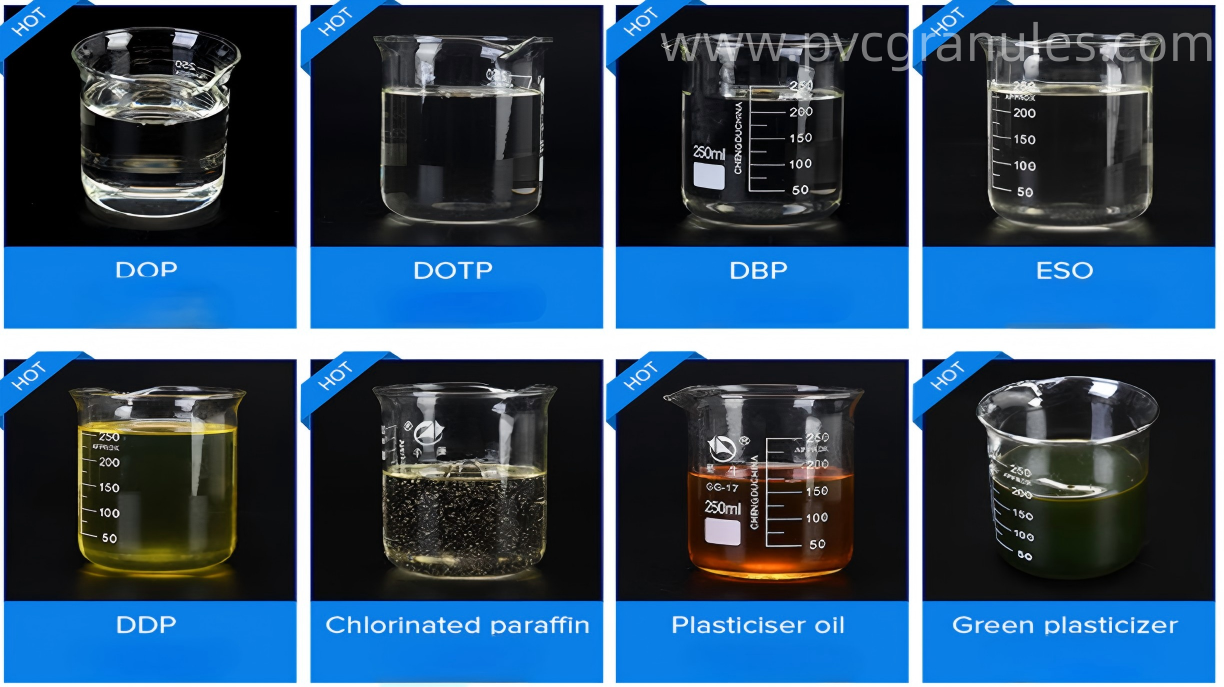
Our facility stocks over ten divfferent plasticizer types to meet diverse customer requirements. Primary plasticizers2 like DOP6 (dioctyl phthalate) and DINP7 (diisononyl phthalate) provide excellent compatibility and performance. Secondary plasticizers2 such as citrate esters offer improved safety profiles for food-contact applications.
The magic happens when we blend different plasticizers2. A client manufacturing medical tubing needed both flexibility and biocompatibility. We developed a custom blend using citrate esters as primary plasticizers2 with specialized secondary plasticizers2. The result exceeded their performance expectations while meeting FDA requirements.
Plasticizer selection involves considering migration resistance, thermal stability5, and cost factors. We conduct extensive compatibility tests to ensure optimal plasticizer-resin interaction. Our technical team uses advanced mixing ratios to achieve specific hardness levels, typically measured in Shore A durometer8 for flexible compounds.
What stabilizers protect PVC compounds from degradation?
PVC compounds face constant threats from heat and light during processing and application. Stabilizers act as the first line of defense against these degrading forces.
Stabilizers include heat stabilizers9 (calcium-zinc, lead salts, organotin) and light stabilizers that prevent PVC degradation during processing and end-use exposure to heat and UV radiation.

Heat stabilizers are crucial during our extrusion process where temperatures reach 180-200°C. Calcium-zinc stabilizers dominate our production due to their environmental friendliness and excellent performance. For applications requiring superior heat resistance, we use organotin stabilizers, though regulatory restrictions10 limit their use in certain markets.
Light stabilizers become critical for outdoor applications. UV absorbers and HALS (Hindered Amine Light Stabilizers) work synergistically to prevent polymer chain scission. We recently helped a decking manufacturer extend their product warranty from 10 to 25 years by optimizing their stabilizer package.
The stabilizer selection process involves thermal analysis testing where we monitor color changes and molecular weight retention at various temperatures. Our laboratory conducts accelerated aging tests to predict long-term performance. We also perform migration testing11 for food-contact applications to ensure stabilizer components remain within the compound matrix.
How do lubricants improve PVC compound processing?
Processing PVC compounds without proper lubrication leads to equipment damage and poor product quality. Lubricants ensure smooth production while protecting both material and machinery.
Lubricants divide into internal lubricants (stearic acid) and external lubricants (paraffin wax) that improve resin flow properties during processing and prevent equipment adhesion while facilitating injection molding release.
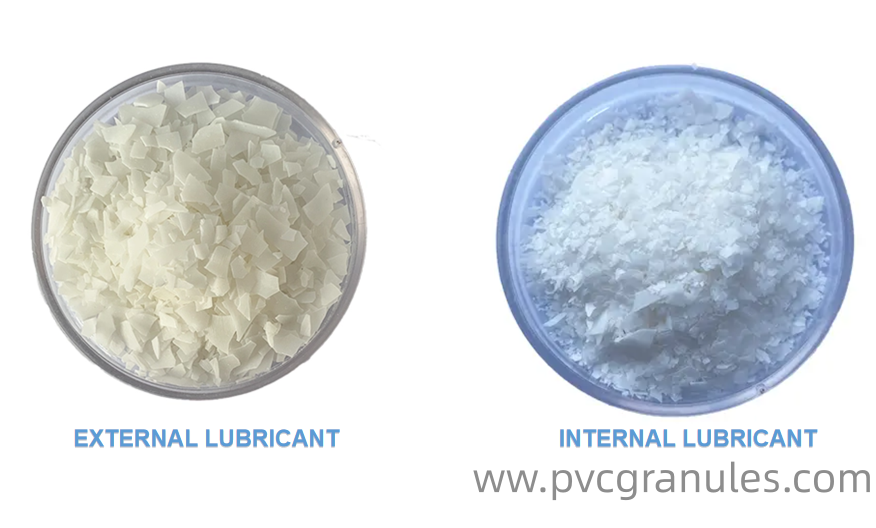
Internal lubricants reduce friction between polymer chains during melting, lowering processing temperatures and energy consumption. Stearic acid remains our most reliable internal lubricant due to its excellent compatibility and thermal stability5. External lubricants create a barrier between the compound and processing equipment surfaces.
We source premium paraffin wax lubricants from European suppliers because their superior performance justifies the cost difference. These imported waxes provide better release properties and longer equipment life compared to standard alternatives.
The lubricant balance requires precise control. Too little lubrication causes processing difficulties and equipment wear. Excessive lubrication leads to poor fusion and surface defects. We use torque rheometer testing to optimize lubricant levels for each formulation. Our processing trials involve monitoring melt temperature, pressure requirements, and surface quality to achieve the perfect balance.
What fillers enhance PVC compound properties and reduce costs?
Fillers serve dual purposes in PVC compounds: cost reduction and property enhancement. The right filler selection can significantly improve your compound's performance profile.
Fillers such as calcium carbonate12 and talc powder13 reduce production costs while enhancing rigidity and heat resistance. Filler quality varies by particle size, with finer particles providing superior performance characteristics.
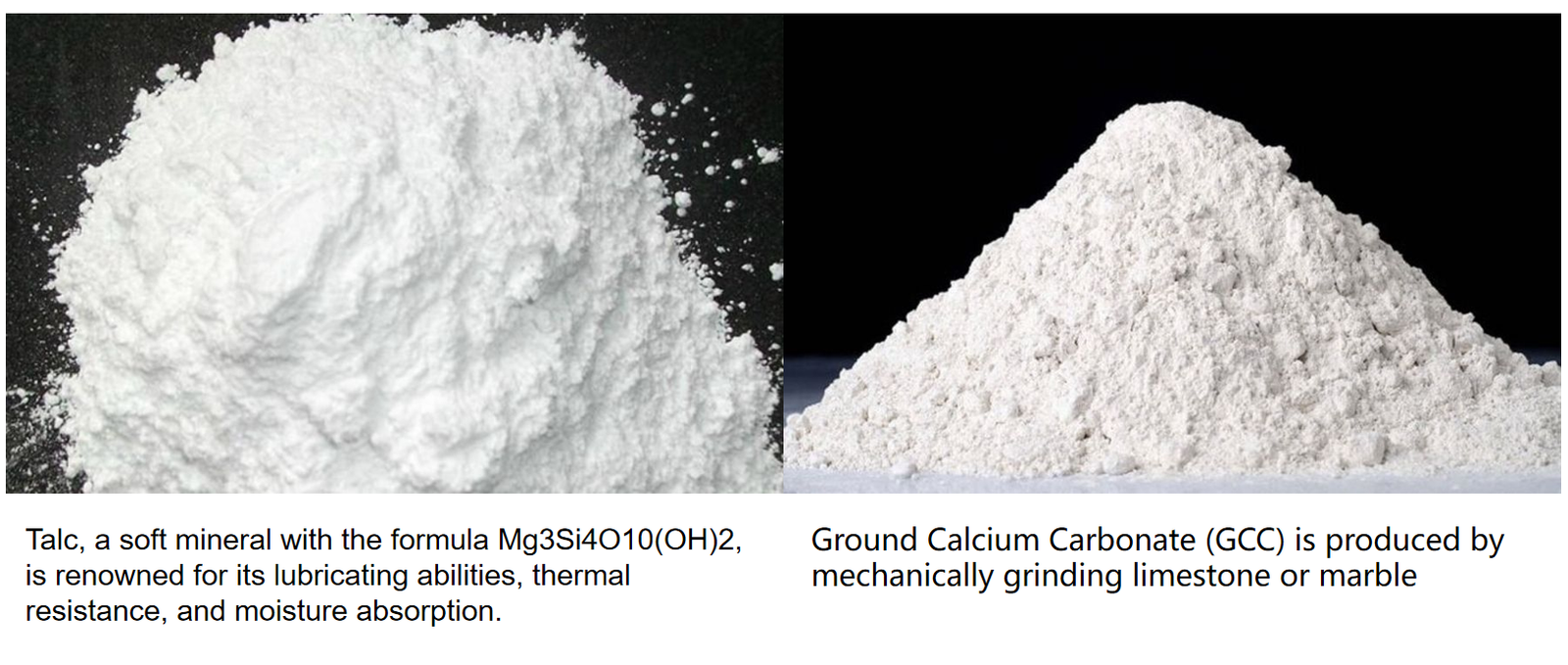
Calcium carbonate represents our most commonly used filler, available in various grades based on particle size and surface treatment. Fine-grade calcium carbonate12 (2-5 microns) provides better dispersion and surface finish compared to coarse grades. We classify calcium quality by fineness levels - finer particles deliver superior performance but command higher prices.
Talc offers unique benefits including improved stiffness, dimensional stability, and heat deflection temperature. For automotive applications requiring high-temperature performance, talc-filled compounds outperform calcium carbonate12 alternatives. We recently developed a dashboard compound using ultrafine talc that passed 85°C heat aging tests.
Surface-treated fillers provide enhanced polymer-filler interaction through coupling agents. These treatments improve mechanical properties and reduce moisture absorption. Our quality control laboratory performs particle size analysis14, moisture content testing, and dispersion studies to ensure optimal filler performance. We maintain strict specifications for heavy metal content and pH levels to meet international safety standards.
Which modifiers optimize specific PVC compound performance?
Performance modifiers unlock PVC's potential for specialized applications. These additives address specific property requirements that base formulations cannot achieve alone.
Modifiers include impact modifiers15 (CPE16, ACR), processing aids17, UV absorbers, NBR rubber, elastomers18, and foaming agents19 that optimize specific performance characteristics for targeted applications.
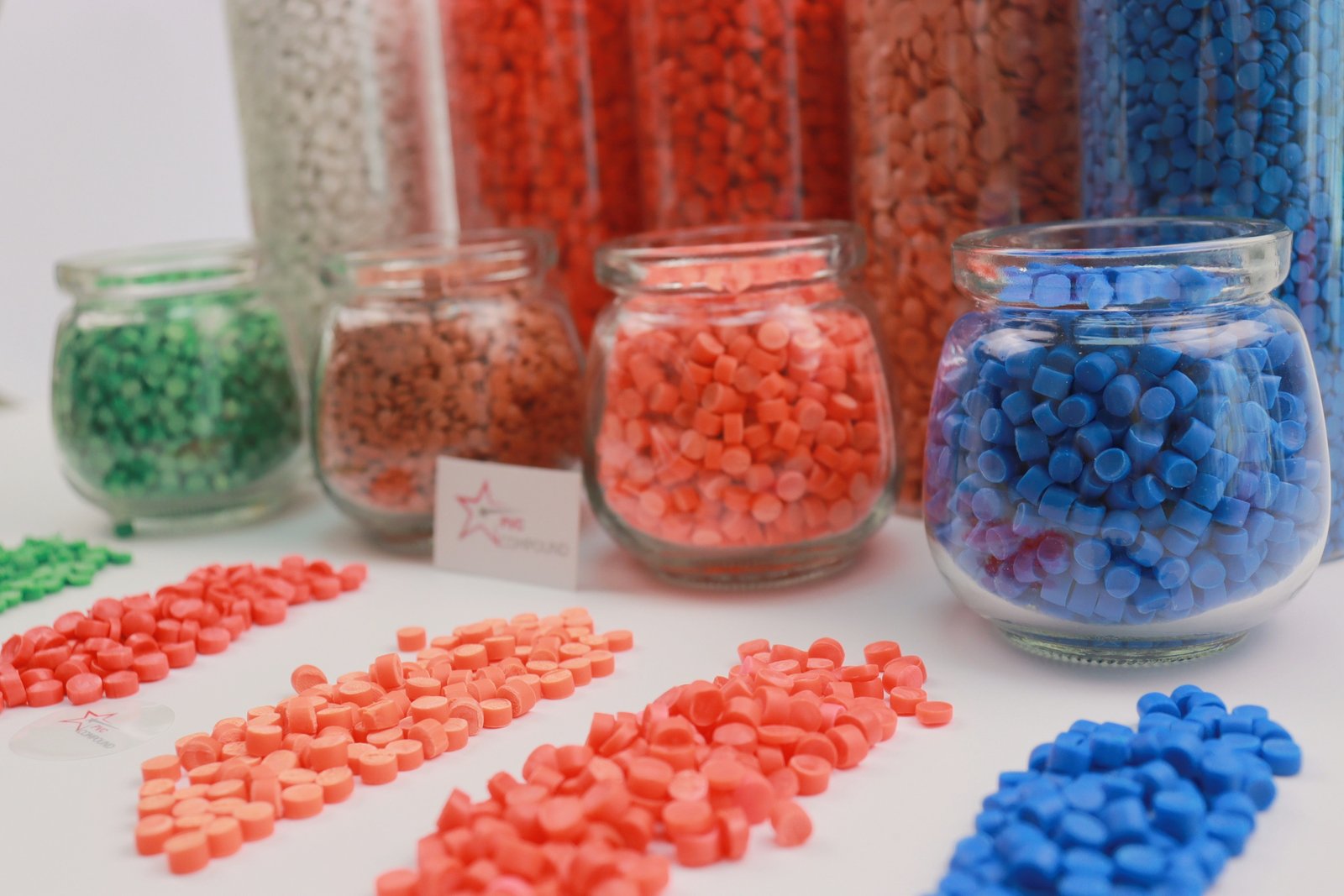
Impact modifiers transform brittle PVC into tough, durable materials. Chlorinated polyethylene (CPE16) excels in outdoor applications due to its weather resistance, while acrylic modifiers (ACR) provide excellent clarity for transparent applications. The modifier selection depends on impact temperature requirements and transparency needs.
Processing aids improve melt flow and surface finish during extrusion and injection molding. These low-molecular-weight polymers reduce processing temperatures and enhance productivity. We use processing aids17 extensively in profile extrusion where surface quality is critical.
Specialty modifiers address unique requirements. NBR rubber enhances oil resistance for automotive applications. Elastomeric modifiers improve flexibility retention at low temperatures. Foaming agents create cellular structures for weight reduction and insulation properties. Our technical team evaluates modifier compatibility through rheological testing and mechanical property analysis to ensure optimal performance integration.
Conclusion
PVC compound production requires careful selection and balancing of base resins, plasticizers2, stabilizers, lubricants, fillers, modifiers, and colorants3 to achieve desired performance characteristics for specific applications.
Explore how PVC resin powder is essential in various applications and its impact on product quality. ↩
Learn about the various plasticizers and their roles in enhancing PVC flexibility and performance. ↩
Discover how colorants enhance the aesthetic appeal and branding of PVC products. ↩
Discover how molecular weight distribution affects the properties and performance of PVC compounds. ↩
Learn about the significance of thermal stability in ensuring the longevity of PVC products. ↩
Understand the role of DOP as a primary plasticizer and its compatibility in PVC applications. ↩
Explore how DINP enhances PVC performance and its applications in various industries. ↩
Understand how Shore A durometer measures hardness in flexible PVC compounds. ↩
Discover the importance of heat stabilizers in protecting PVC from degradation during processing. ↩
Learn about the regulations affecting the use of certain stabilizers in PVC production. ↩
Learn about migration testing and its importance in ensuring safety for food-contact PVC products. ↩
Find out how calcium carbonate serves as a filler to enhance PVC properties and reduce costs. ↩
Learn about the unique advantages of talc powder in improving PVC's rigidity and heat resistance. ↩
Explore the importance of particle size analysis in optimizing filler performance in PVC compounds. ↩
Explore how impact modifiers enhance the durability and toughness of PVC materials. ↩
Discover how chlorinated polyethylene (CPE) improves weather resistance in outdoor PVC applications. ↩
Understand the role of processing aids in improving melt flow and surface finish during production. ↩
Learn about elastomers and how they enhance flexibility in PVC compounds for various applications. ↩
Explore how foaming agents create lightweight structures and improve insulation properties in PVC. ↩
