
Traffic cone production seems simple, but choosing the wrong materials can ruin your entire batch. Many manufacturers struggle with poor demolding1, color fading2, and short product lifespan3.
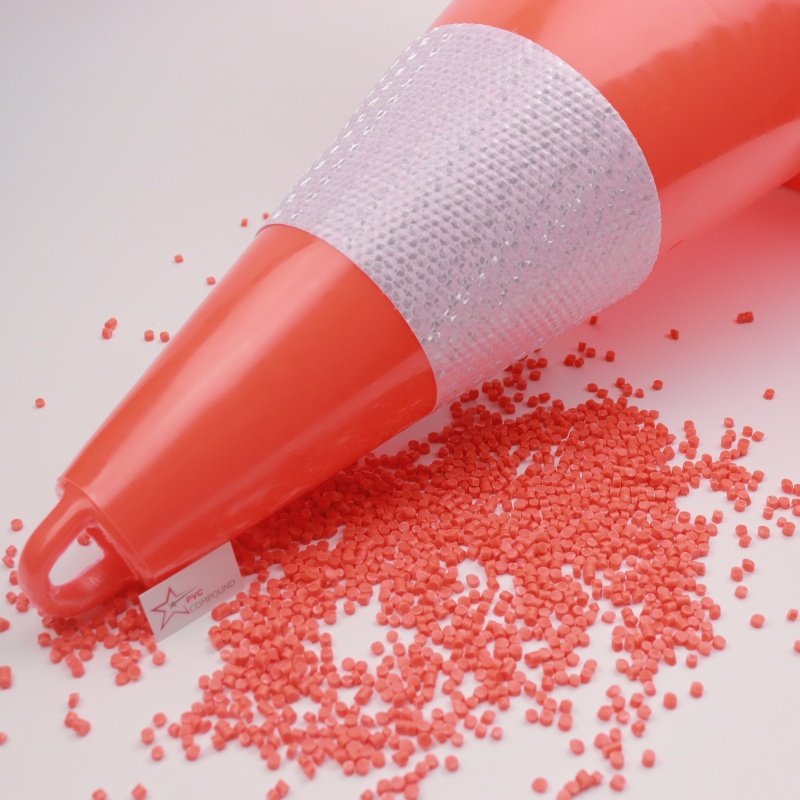
PVC traffic cones4 require specific chemical formulations including PVC resin5, heat stabilizers6, UV stabilizers7, impact modifiers8, plasticizers, colorants9, and processing aids. The exact chemical blend determines cone durability, color retention, and manufacturing efficiency.
I've worked with traffic cone manufacturers for over 15 years. Each project teaches me something new about material selection. Let me share what chemicals really matter for quality cone production.
What base chemicals form the foundation of PVC traffic cones4?
Traffic cone durability starts with the right chemical foundation. Poor base formulation leads to brittle products that crack under pressure.
The primary base chemicals include PVC resin5 (60-70%), calcium carbonate filler (15-25%), and titanium dioxide for opacity. These create the structural backbone that determines cone strength and basic properties.

Understanding PVC Resin Selection
PVC resin5 serves as the backbone of every traffic cone. We use K-67 to K-70 grade PVC resin5 for optimal processing. Higher K-values provide better impact resistance but require more processing heat.
The molecular weight affects final product flexibility. Traffic cones need impact resistance without being too soft. We balance this through careful resin selection and modifier additions.
| Resin Grade | K-Value | Application | Processing Temperature |
|---|---|---|---|
| K-67 | 67 | Small cones | 160-170°C |
| K-68 | 68 | Medium cones | 165-175°C |
| K-70 | 70 | Large cones | 170-180°C |
Calcium carbonate acts as both filler and cost reducer. We typically use 15-25% depending on cone size requirements. Fine particle calcium carbonate improves surface finish while maintaining strength.
Titanium dioxide provides opacity and brightness. Traffic cones need good hiding power for vibrant colors. We use 2-4% rutile grade titanium dioxide for best results.
What stabilizers prevent PVC degradation during manufacturing?
Heat and UV exposure destroy PVC without proper stabilizers. I've seen entire production runs fail due to inadequate stabilizer systems.
Lead-free stabilizers including calcium-zinc systems, organotin compounds, and mixed metal stabilizers protect PVC during processing. These chemicals prevent degradation at 160-180°C processing temperatures while maintaining long-term stability.
Heat Stabilizer Chemistry
Modern traffic cone production uses lead-free stabilizer systems. Calcium-zinc stabilizers work well for most applications. They provide clean processing without heavy metal concerns.
Organotin stabilizers offer superior clarity and processing stability. We use these for high-end applications requiring crystal-clear processing. The cost is higher but performance justifies the expense.
Mixed metal stabilizers combine multiple elements for balanced performance. These systems work across wide temperature ranges. They're ideal for manufacturers processing different cone sizes on the same equipment.
UV Stabilizer Requirements
Traffic cones face constant UV exposure. Without proper UV protection, orange and yellow colors fade within months. UV stabilizers7 absorb harmful radiation before it damages polymer chains.
We use benzotriazole and benzophenone UV absorbers. These chemicals work together for comprehensive protection. Hindered amine light stabilizers (HALS) provide additional long-term protection.
| Stabilizer Type | Concentration | Function | Lifespan Improvement |
|---|---|---|---|
| Benzotriazole | 0.3-0.5% | UV absorption | 3-5 years |
| Benzophenone | 0.2-0.4% | UV screening | 2-4 years |
| HALS | 0.1-0.3% | Radical scavenging | 5-8 years |
The combination approach works best. Single UV stabilizers7 can't handle all degradation mechanisms. We've developed formulations lasting 5-8 years in direct sunlight.
What impact modifiers8 improve traffic cone durability?
Traffic cones must survive vehicle impacts and harsh weather. Standard PVC becomes brittle at low temperatures without proper modification.
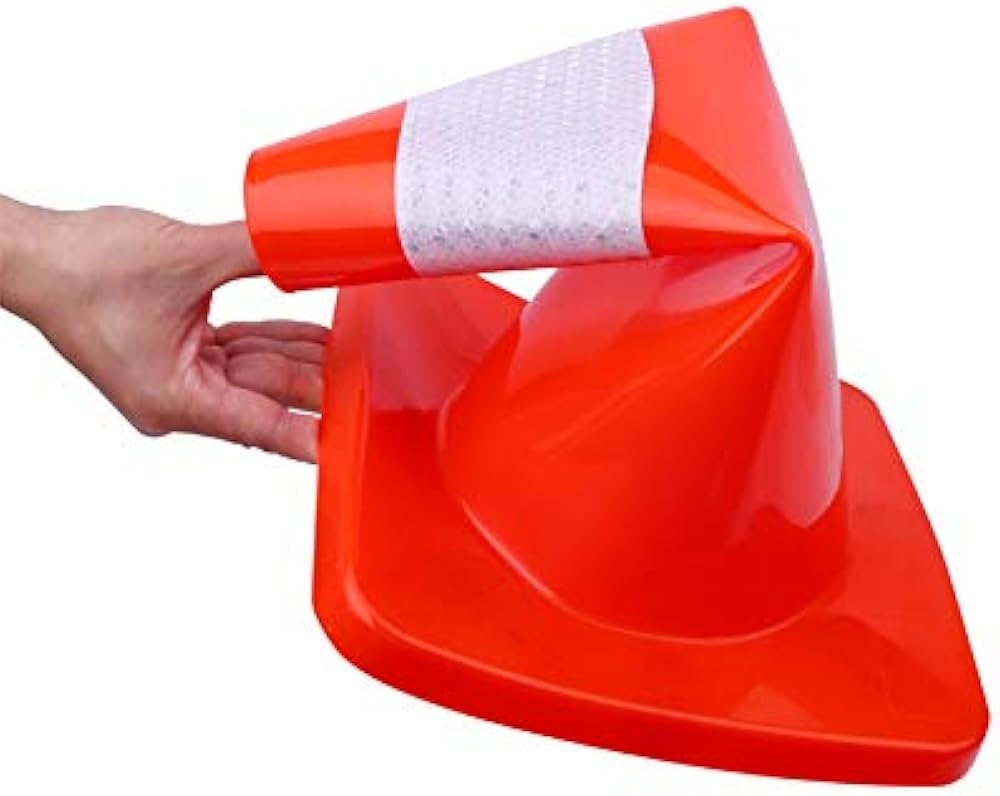
Acrylic impact modifiers8, chlorinated polyethylene10 (CPE), and ethylene vinyl acetate (EVA) improve impact resistance. These chemicals maintain flexibility across temperature ranges from -20°C to +60°C for reliable performance.
Acrylic Impact Modifiers
Acrylic modifiers provide excellent low-temperature impact resistance. They work by absorbing impact energy through rubber particle deformation. We use 8-12% acrylic modifier for optimal performance.
These modifiers maintain clarity better than other options. Traffic cones need good color development. Acrylic systems don't interfere with pigment performance.
Processing requires careful temperature control. Acrylic modifiers can degrade if overheated. We maintain processing temperatures below 180°C to preserve modifier effectiveness.
Chlorinated Polyethylene Benefits
CPE offers superior weathering resistance compared to other modifiers. It handles UV exposure better than standard impact modifiers8. This makes it ideal for long-term outdoor applications.
The chlorine content provides flame retardancy. Some traffic cone applications require fire resistance. CPE systems meet these requirements without additional flame retardants.
Processing is more forgiving than acrylic systems. CPE handles higher temperatures without degradation. This flexibility helps manufacturers with older equipment.
What colorants9 create vibrant, long-lasting traffic cone colors?
Traffic cone visibility depends on bright, stable colors. Poor colorant selection leads to fading and reduced safety effectiveness.
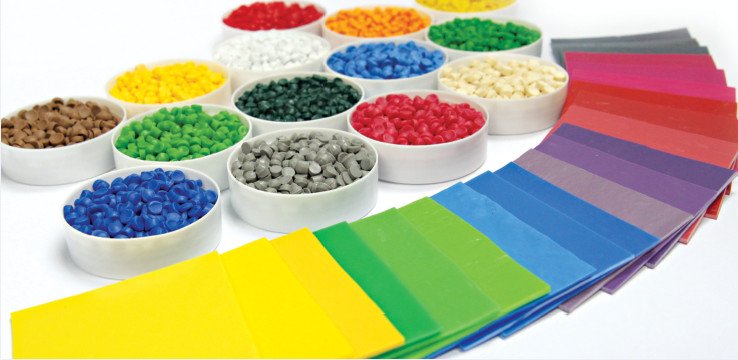
Organic pigments, inorganic pigments, and fluorescent dyes create traffic cone colors. Chrome yellow, cadmium orange, and fluorescent pigments11 provide the bright colors required for traffic safety applications with 5-8 year color retention.
Fluorescent Pigment Systems
Fluorescent pigments create the bright day-glo colors traffic cones require. These pigments absorb UV light and re-emit it as visible light. This creates the super-bright appearance that improves visibility.
Fluorescent yellow and orange are most common. These colors provide maximum visibility in daylight conditions. The pigments require UV stabilization to prevent rapid fading.
We use 0.5-1.5% fluorescent pigment depending on desired brightness. Higher concentrations don't improve color significantly but increase cost. Proper dispersion is critical for uniform color.
Inorganic Pigment Stability
Inorganic pigments offer superior heat and light stability. Chrome yellow provides excellent brightness and durability. Cadmium orange delivers outstanding color strength and weather resistance.
These pigments handle processing temperatures without color shift. They maintain color during repeated heating cycles. This stability is crucial for recycled content applications.
Cost is higher than organic alternatives but performance justifies the expense. Traffic cones require long-term color stability. Inorganic pigments deliver this performance consistently.
| Pigment Type | Color | Heat Stability | UV Resistance | Cost Factor |
|---|---|---|---|---|
| Fluorescent | Day-glo yellow/orange | Moderate | Poor without stabilizers | High |
| Chrome Yellow | Bright yellow | Excellent | Good | Medium |
| Cadmium Orange | Pure orange | Excellent | Excellent | High |
| Iron Oxide | Red/brown | Excellent | Excellent | Low |
The pigment selection affects processing and final properties. Heat-sensitive pigments require lower processing temperatures. This can impact productivity and material flow.
Conclusion
PVC traffic cone production requires careful chemical selection12 including resins, stabilizers, modifiers, and colorants9. Proper formulation ensures durability, processability, and safety compliance for 5-8 year product lifespan3.
Understand how proper demolding techniques can prevent defects and improve production efficiency. ↩
Discover methods to maintain vibrant colors in traffic cones, ensuring safety and visibility. ↩
Find out what influences the durability and lifespan of traffic cones in various environments. ↩
Explore the advantages of PVC traffic cones, including durability and visibility, essential for safety in traffic management. ↩
Delve into the significance of PVC resin in ensuring the strength and flexibility of traffic cones. ↩
Learn how heat stabilizers protect PVC during production, enhancing product quality. ↩
Explore the different UV stabilizers that prevent color fading and extend the life of traffic cones. ↩
Understand how impact modifiers improve the resilience of traffic cones against harsh conditions. ↩
Find out which colorants provide the brightest and most durable colors for traffic safety. ↩
Learn about the advantages of using chlorinated polyethylene for improved weather resistance. ↩
Explore how fluorescent pigments enhance visibility and safety in traffic cones. ↩
Discover how the right chemical selection ensures the durability and safety of traffic cones. ↩
