
Are you struggling to find the right material for your product? The world of plastics can be confusing, and choosing incorrectly leads to poor performance and wasted costs. PVC compound offers a versatile solution.
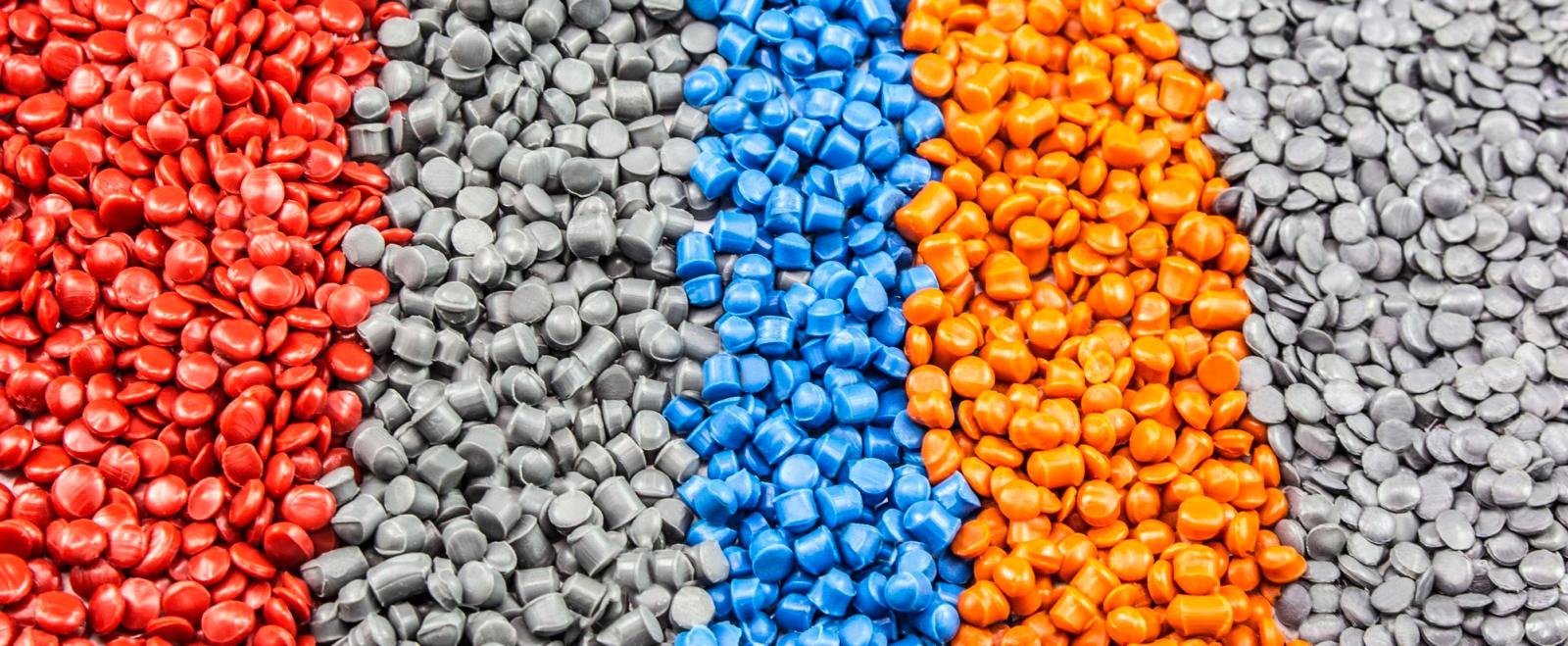
PVC compound, also known as PVC granules1, is a ready-to-use thermoplastic material2 made by mixing PVC resin with additives like plasticizers and stabilizers. It is used to manufacture a huge range of products, from construction pipes and window frames to flexible shoe soles and electrical cables.
Now you know the basics, but that’s just scratching the surface. This material's true value is in its incredible adaptability. To really understand how it can benefit your business, we need to look closer at the different types and what they can do. Let's dive deeper into how we tailor these compounds for specific, demanding applications.
How are the different types of PVC compounds classified?
Feeling overwhelmed by terms like "soft," "rigid," and "injection grade"? This confusion can delay projects and lead to costly mistakes. Let's simplify the main categories to make your choice clearer.
PVC compounds are mainly classified by their hardness (soft, semi-rigid, and rigid) and the intended processing method, like injection molding3 or extrusion. This classification helps manufacturers select the perfect material for an application, whether it needs to be flexible like a garden hose or strong and durable like a pipe.
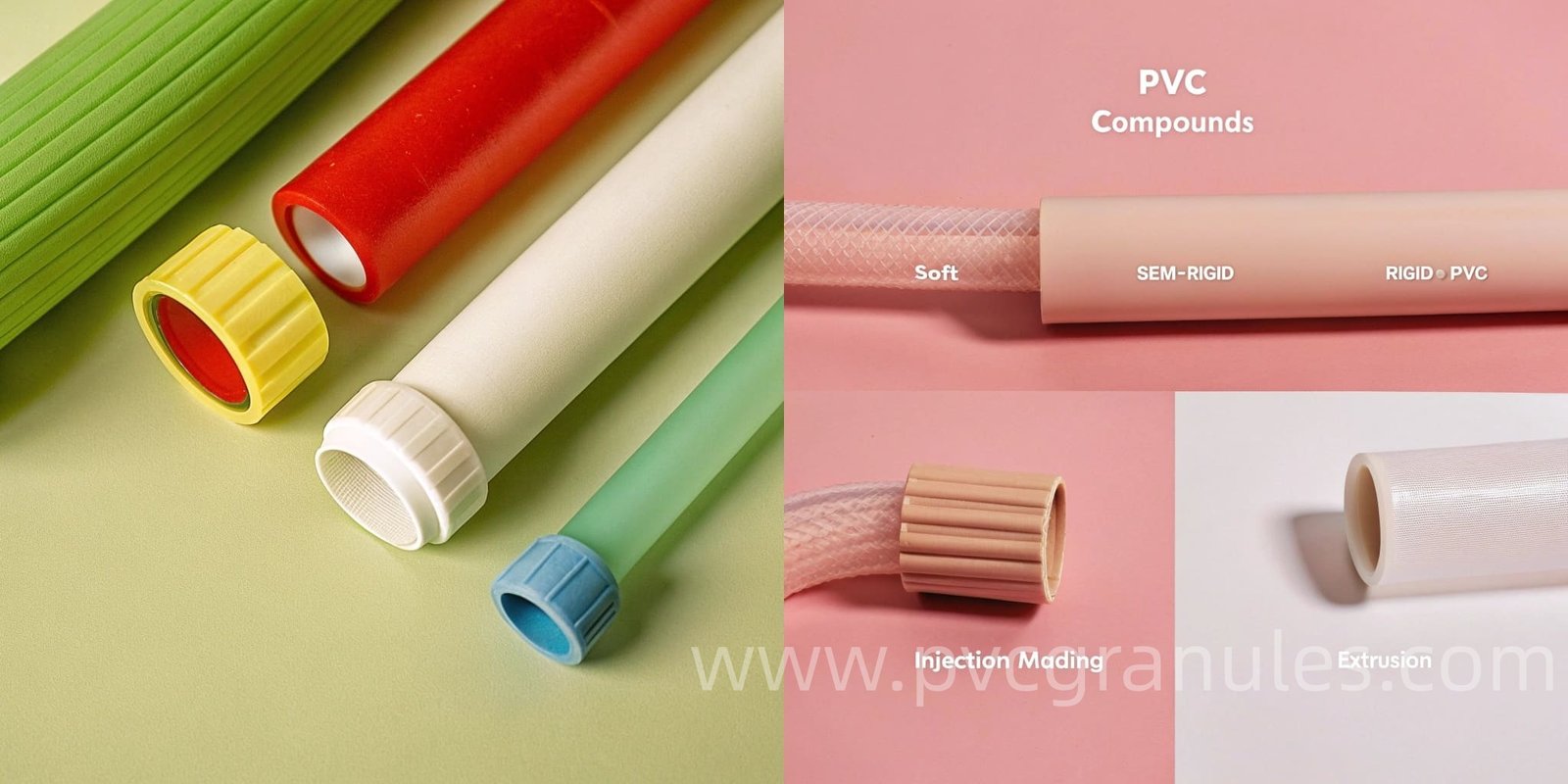
As a manufacturer with over 15 years of experience, I've seen how critical these distinctions are. The right choice at this stage determines the final product's success. We classify our compounds primarily by hardness and processing method, but also consider appearance, such as colored or transparent grades.
Classification by Hardness
The amount of plasticizer added to the PVC resin determines its flexibility.
- Soft PVC (Flexible): With a higher amount of plasticizer, this type is rubber-like and pliable. It's perfect for things that need to bend and flex without breaking. We produce this for clients making shoe soles, garden hoses, and electrical cable insulation4.
- Rigid PVC (uPVC5): This contains very little or no plasticizer, making it strong, stiff, and impact-resistant. It’s the go-to choice for durable applications in the construction industry, like water pipes and window profiles6, because it stands up to harsh weather and doesn't corrode.
Classification by Processing Method
The formulation is also optimized for different manufacturing techniques.
- Injection Grade: Designed to have excellent melt flow7, this type easily fills complex molds to create precise parts like pipe fittings, automotive components, or electrical boxes.
- Extrusion Grade: This type is formulated to be pushed through a die to form continuous shapes. It's ideal for producing long products like pipes, door seals, window profiles6, and hoses.
| Classification | Key Characteristic | Common Applications |
|---|---|---|
| By Hardness | ||
| Soft (Flexible) | High flexibility, rubber-like | Hoses, shoe soles, cable jackets, seals |
| Rigid (uPVC5) | Strong, stiff, impact-resistant | Pipes, window profiles6, siding, fittings |
| By Process | ||
| Injection Grade | Good melt flow7 for molds | Fittings, automotive parts, electrical boxes |
| Extrusion Grade | Consistent shape formation | Pipes, profiles, hoses, door seals |
What are the common applications for soft PVC compounds?
Do you need a material that is both flexible and durable? Finding a cost-effective option that meets these demands can be a real challenge. Choosing the wrong one can lead to product failures and unhappy customers. Soft PVC is often the ideal solution.
Soft PVC compounds are used everywhere for products that require elasticity and resilience. Some of the most common examples include electrical cable insulation4, garden hoses, shoe soles, and weather-sealing strips for doors and windows. Their versatile, rubber-like properties make them perfect for these everyday items.
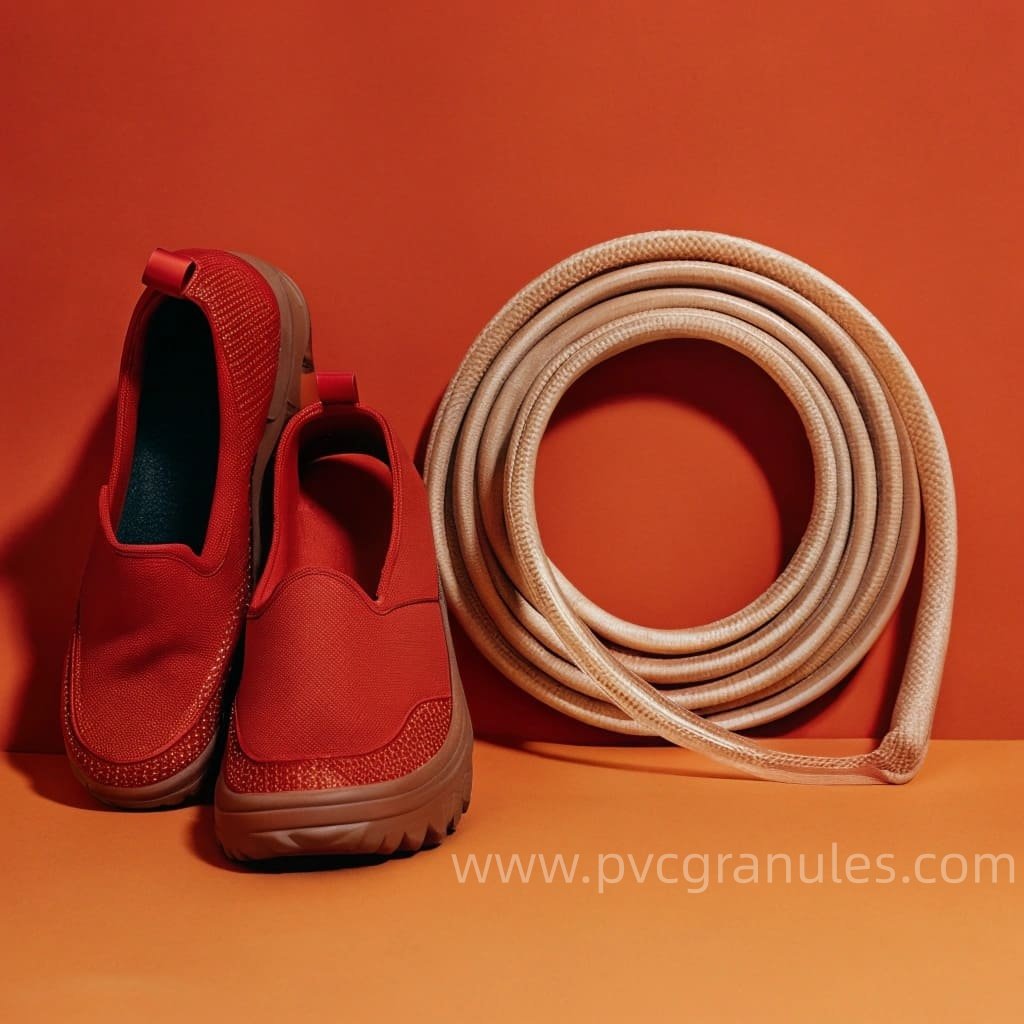
In my experience helping global brands, the demand for high-quality soft PVC is massive because it solves so many problems. We work with clients to fine-tune formulas for very specific needs, ensuring the final product not only performs well but also meets international standards like RoHS and REACH. For example, a client in the automotive industry needs interior parts that are not only flexible but also UV-resistant and low-odor. We developed a custom compound just for them.
Applications by Processing Method:
-
Injection Molding: This process is perfect for creating finished, three-dimensional soft parts. We supply injection-grade soft PVC for:
- Footwear: Shoe soles, sandals, and boots require excellent wear resistance and flexibility, which we formulate our compounds to provide.
- Automotive Parts: Interior trim, grips, and seals need to be durable and feel good to the touch.
- General Accessories: Think of custom grips for tools, soft toys, or protective casings for electronics.
-
Extrusion: Extrusion is used to create long, continuous products. Our extrusion-grade soft PVC is used for:
- Hoses and Tubing: From garden hoses to medical tubing and gas pipes, these products need to be flexible, pressure-resistant, and sometimes transparent.
- Sealing Strips: Weather stripping for windows and doors must remain flexible across a range of temperatures to maintain a proper seal.
- Wire and Cable Insulation: This was one of the first major uses for PVC. It provides excellent electrical insulation and is flame-retardant8, which is a critical safety feature.
Where are rigid PVC9 compounds typically used?
Are you looking for a material that is strong, long-lasting, and affordable for construction or industrial parts? Many traditional materials like wood or metal can rot, rust, or be too expensive. This can hurt your project's budget and timeline. Rigid PVC is a reliable and cost-effective alternative.
Rigid PVC, often called uPVC5, is valued for its incredible strength, durability, and resistance to chemicals and weather. It is a dominant material in the construction industry, used for water pipes, window and door profiles, and siding. It's also used for injection-molded parts like electrical fittings.
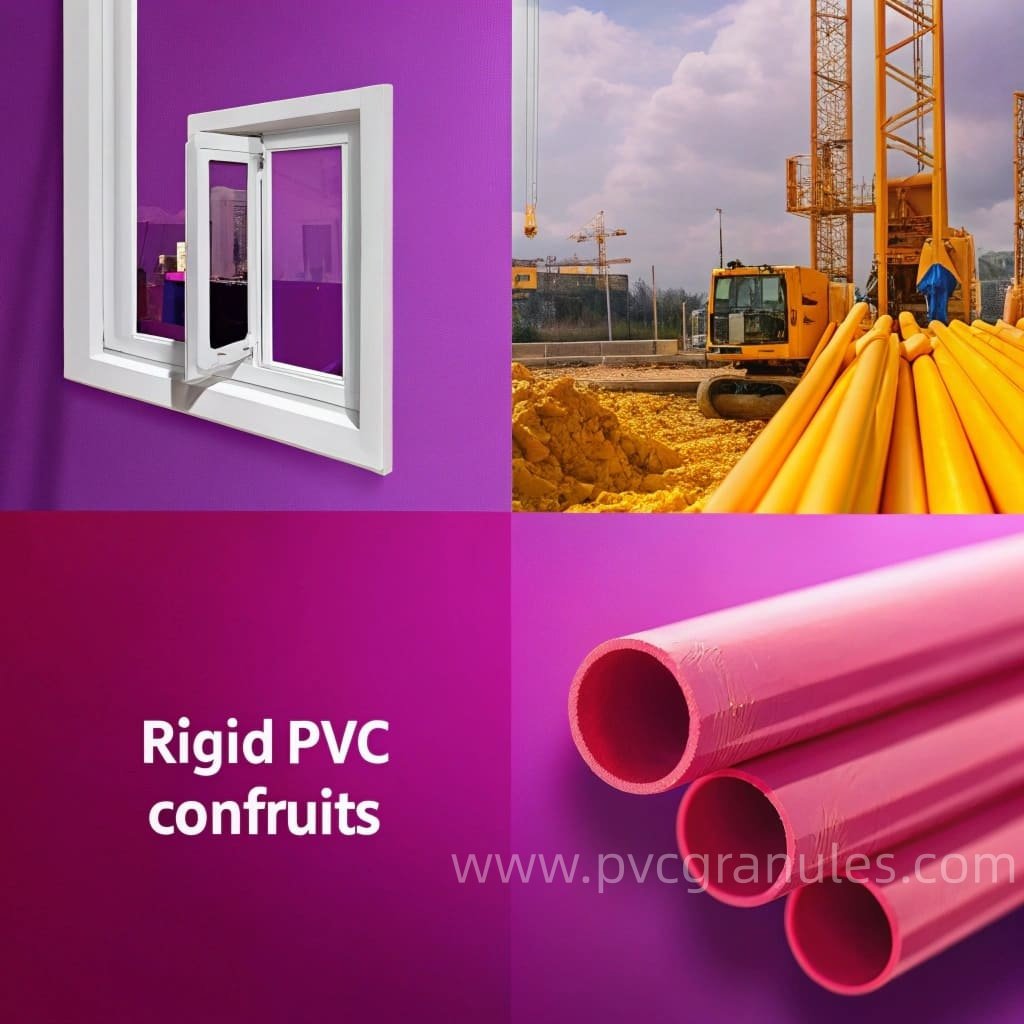
I remember working with a large construction client who was having issues with the consistency of their window profiles6 from another supplier. Batch-to-batch variations were causing production delays. We provided them with our rigid PVC9 compound, manufactured on our dedicated lines with strict quality control. This ensured a Vicat softening point10 stability of ±2°C, eliminating their production issues and improving the quality of their final product.
Key Application Areas for Rigid PVC:
-
Extrusion Applications: This is where rigid PVC9 truly shines, creating strong, structural products.
- Pipes and Fittings11: Used for plumbing, sewage, and irrigation systems, rigid PVC9 pipes are a top choice because they are corrosion-resistant, lightweight, and easy to install.
- Window and Door Profiles: uPVC5 profiles provide excellent thermal insulation, are weather-resistant12, and require minimal maintenance, making them more durable than wood or aluminum in many environments.
- Siding and Wall Panels: Rigid PVC is used to create durable and decorative exterior siding and interior wall guards that are impact-resistant and easy to clean.
-
Injection Molding Applications: While extrusion is more common for rigid PVC9, injection molding3 is used for essential components.
- Pipe Fittings: Connectors, elbows, and valves are made using injection molding3 to match the same strength and chemical resistance13 as the extruded pipes they connect.
- Electrical Components: Items like electrical conduits, junction boxes, and casings are often made from rigid PVC9 due to its excellent electrical insulating properties and fire resistance.
Conclusion
In short, PVC compound is a highly adaptable material. With different types available for almost any need, it can be used for everything from flexible hoses14 to strong, rigid pipes.
If you are looking for a PVC compound solution, send me your technical parameters or final product idea. My team and I will provide a one-stop solution for your business.
Learn about the uses of PVC granules and how they can benefit your manufacturing processes. ↩
Discover the properties of thermoplastic materials and why they are essential in manufacturing. ↩
Explore the injection molding process and its significance in creating precise PVC components. ↩
Learn about the benefits of using PVC for electrical cable insulation and its safety features. ↩
Understand the differences between uPVC and PVC, and their respective applications. ↩
Learn about the manufacturing process of PVC window profiles and their benefits. ↩
Understanding melt flow is crucial for optimizing production processes and ensuring product quality in plastic manufacturing. ↩
Explore this resource to understand how flame-retardant materials enhance safety and performance in electrical applications. ↩
Understand why rigid PVC is a preferred choice in construction and its advantages over traditional materials. ↩
Understand the Vicat softening point and why it is crucial for material performance. ↩
Explore this resource to discover the latest innovations and best practices for selecting durable pipes and fittings. ↩
Explore the properties that make materials weather-resistant and their importance in construction. ↩
Discover materials with high chemical resistance and their applications in various industries. ↩
Explore the applications of flexible hoses and their importance in different sectors. ↩
