
Modern manufacturers face constant pressure to find materials that balance flexibility with durability. Many struggle with rigid materials that crack under stress or soft materials that lack structural integrity.
Flexible PVC compounds1 offer the ideal solution, combining exceptional flexibility with robust performance characteristics. These materials feature Shore A hardness ratings2 below 100, making them perfect for applications requiring both bendability and strength.

After 15 years of manufacturing PVC compounds for global clients, I've witnessed firsthand how flexible PVC transforms industries. Let me share what makes these materials so versatile and why they're becoming the go-to choice for manufacturers worldwide.
What defines flexible PVC compounds and their hardness classifications?
The plastic industry often overlooks the nuanced differences between PVC compound types. This confusion leads to poor material selection and product failures.
Flexible PVC compounds1 are classified by Shore A hardness ratings2 below 100, with pure flexible grades3 ranging from A30-A75 and semi-rigid grades4 spanning A75-A100. This classification system helps manufacturers select the optimal flexibility level for their specific applications.
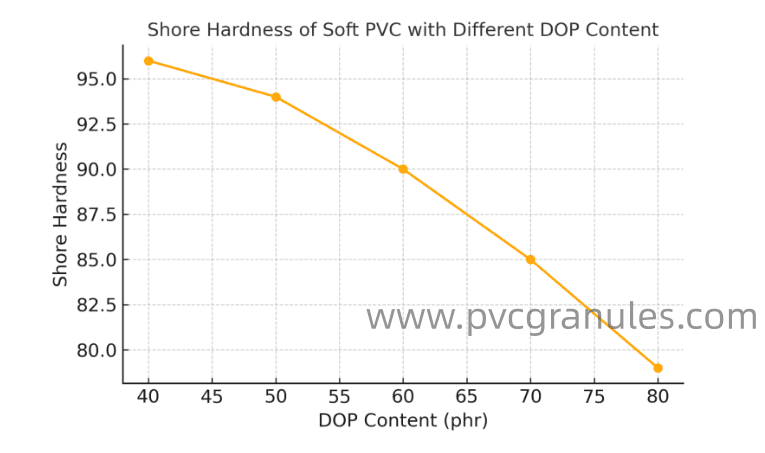
We typically categorize PVC compounds based on their Shore A hardness measurements. Pure flexible PVC compounds fall between Shore A30 to A75, offering maximum bendability and elasticity. Semi-rigid compounds range from Shore A75 to A100, providing a balance between flexibility and structural support.
The formulation of flexible PVC compounds is significantly simpler than rigid variants. We use fewer additives, which makes production more straightforward and cost-effective. The manufacturing process involves carefully controlled mixing of PVC resin with plasticizers, stabilizers, and specific additives to achieve the desired flexibility level.
| Hardness Range | Classification | Key Characteristics | Typical Applications |
|---|---|---|---|
| Shore A30-A50 | Ultra-flexible | Maximum bendability, soft touch | Medical tubing, gaskets |
| Shore A50-A75 | Standard flexible | Good flexibility, moderate strength | Cable sheathing, footwear |
| Shore A75-A100 | Semi-rigid | Limited flexibility, higher strength | Profiles, semi-rigid tubing |
Why do flexible PVC compounds outperform other materials in demanding applications?
Many manufacturers assume all flexible materials perform similarly. This misconception costs companies millions in product recalls and customer dissatisfaction.
Flexible PVC compounds1 deliver superior chemical resistance5, excellent insulation properties, and outstanding durability against UV exposure, bending, and abrasion. These combined properties create unmatched performance in challenging environments.
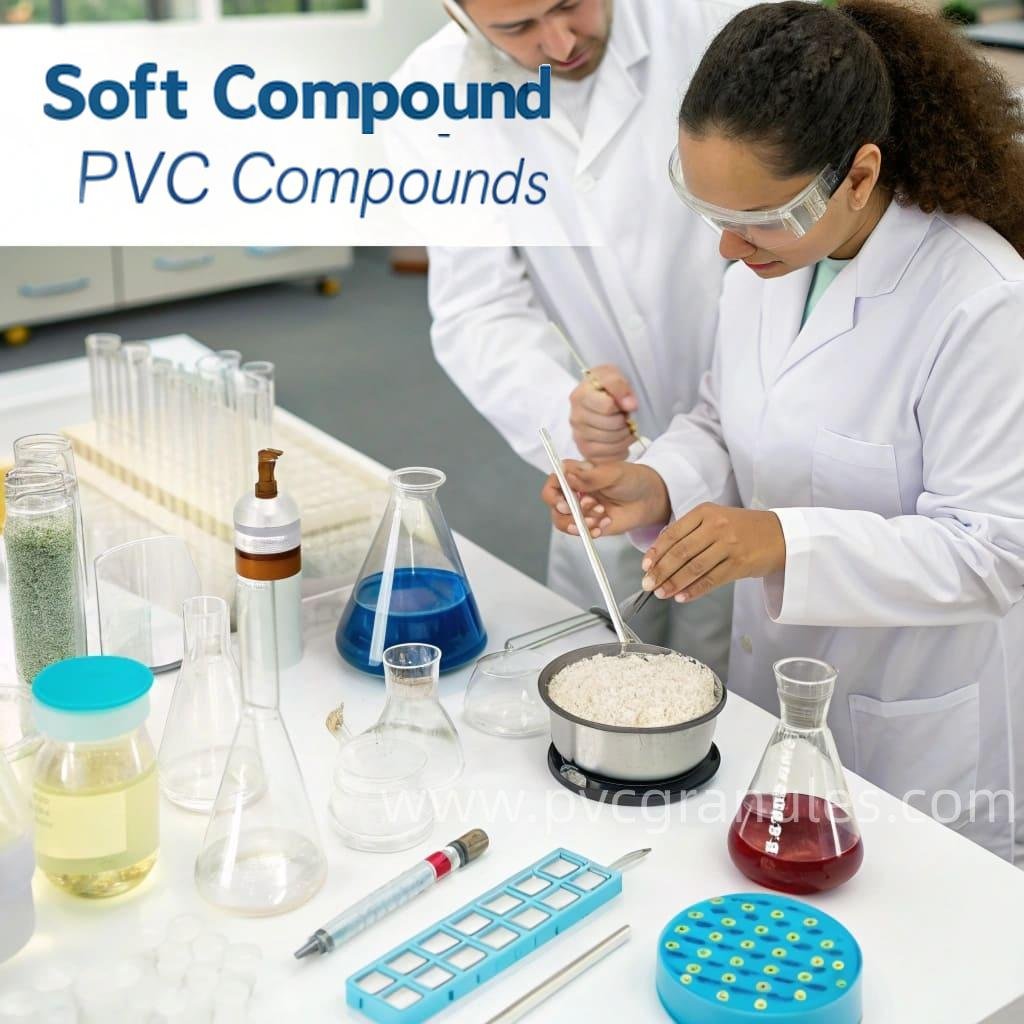
The core performance characteristics of flexible PVC make it exceptional for demanding applications. Chemical resistance stands out as a primary advantage - these compounds resist acids, alkalis, and most organic solvents without degradation. This resistance ensures long-term performance in harsh chemical environments.
Electrical insulation properties make flexible PVC compounds ideal for cable and wire applications. The material maintains excellent dielectric strength while remaining flexible enough for installation in tight spaces. UV resistance6 has improved dramatically with modern stabilizer systems, allowing outdoor applications without significant degradation.
Flexibility retention under temperature variations7 sets these compounds apart from alternatives. While other materials become brittle in cold conditions or overly soft in heat, properly formulated flexible PVC maintains consistent performance across wide temperature ranges. The abrasion resistance ensures longevity in high-wear applications like footwear and industrial components.
Which industries benefit most from flexible PVC compound applications?
Construction professionals often struggle to find materials that meet both performance and regulatory requirements. Standard materials frequently fail under real-world conditions.
Construction, healthcare, automotive, and consumer goods industries rely heavily on flexible PVC compounds for applications ranging from building materials to medical devices. Each industry leverages specific properties to solve unique challenges.
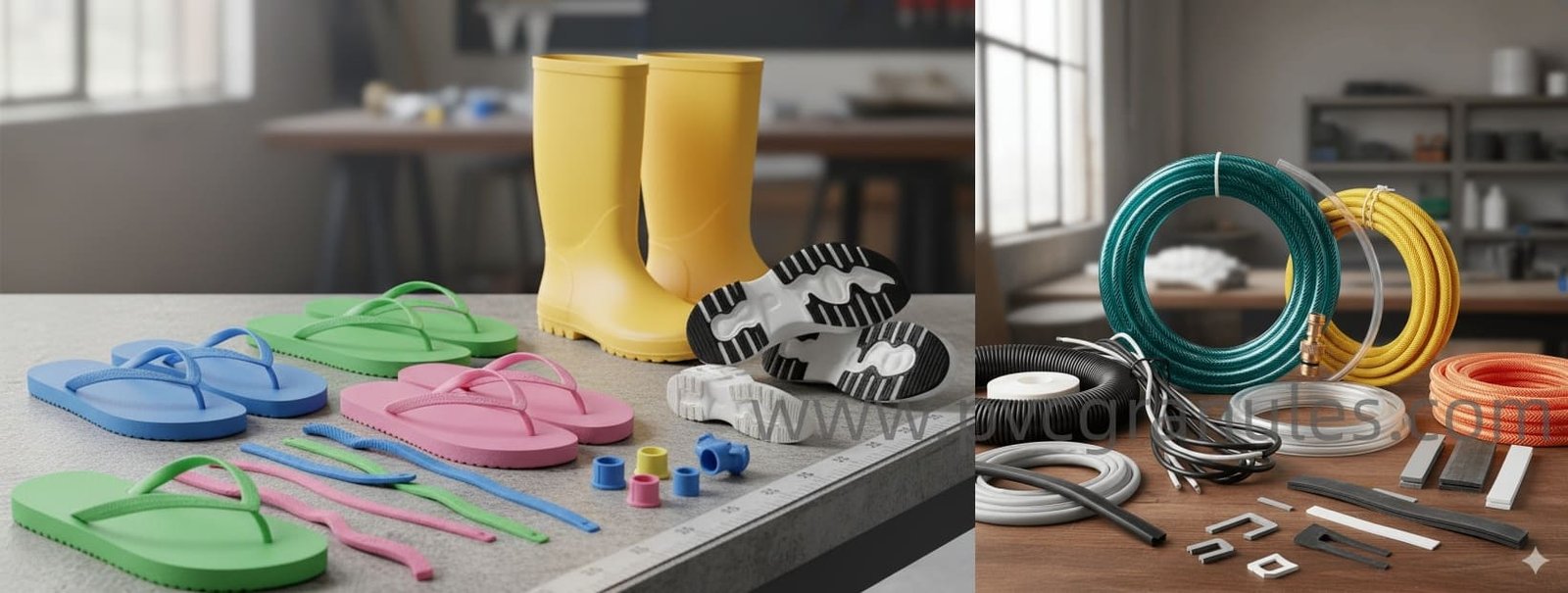
The construction industry represents our largest market segment for flexible PVC compounds. Building materials like flooring, window seals, weatherstripping, and waterproof membranes depend on the material's weather resistance and durability. Door and window profiles require the perfect balance of flexibility for installation and rigidity for structural integrity.
Cable and wire manufacturing consumes significant volumes of flexible PVC compounds. The material's excellent electrical insulation properties8, combined with flexibility for routing through buildings, makes it indispensable for electrical infrastructure. Fire-retardant grades meet strict building codes while maintaining processing characteristics.
Healthcare applications demand the highest quality standards. Medical-grade flexible PVC compounds are used for IV tubing, catheters, and various medical devices. These applications require USP Class VI certification and strict control of extractable substances. Our medical-grade formulations undergo rigorous testing to ensure patient safety.
The footwear industry9 utilizes flexible PVC for rain boots, sandals, flip-flops, and shoe soles. The material's water resistance, comfort, and durability make it perfect for casual and protective footwear. Automotive applications include various injection-molded components, wire harnesses, and protective coverings that benefit from the material's flexibility and chemical resistance5.
How do you select the right flexible PVC compound for your specific application?
Material selection mistakes cost manufacturers time, money, and reputation. Wrong choices lead to product failures and expensive redesigns.
Successful flexible PVC compound selection requires matching Shore A hardness, chemical resistance5 requirements, regulatory compliance10 needs, and processing conditions to your specific application. A systematic approach ensures optimal performance and cost-effectiveness11.
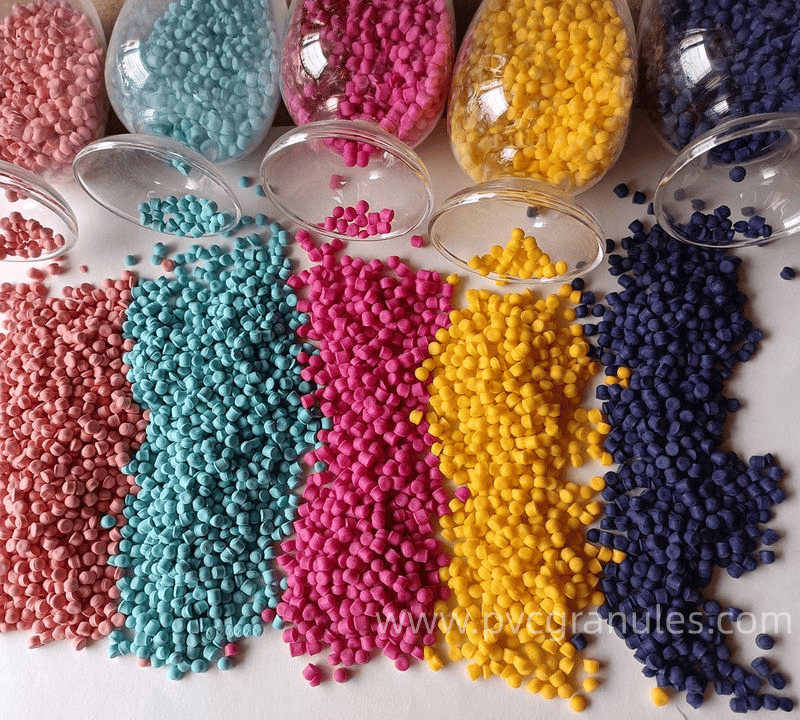
The selection process begins with defining your hardness requirements. Applications requiring maximum flexibility, like medical tubing, typically need Shore A30-A50 compounds. Semi-rigid applications, such as window profiles, perform better with Shore A75-A100 materials. Consider the end-use environment carefully - will the product face temperature extremes, chemical exposure, or UV radiation?
Regulatory compliance cannot be overlooked. Food contact applications require FDA-approved grades, while medical devices need USP Class VI certification. European markets demand REACH compliance, and many applications require RoHS certification for heavy metal content. Building materials often need specific fire ratings and smoke generation limits.
Processing considerations significantly impact material selection. Injection molding applications require different flow characteristics than extrusion processes. Consider your equipment capabilities, cycle times, and dimensional tolerance requirements. Some flexible grades process more easily but may not meet performance requirements, while others offer superior properties but challenge processing equipment.
| Selection Criteria | Key Questions | Impact on Choice |
|---|---|---|
| Hardness Requirements | What flexibility level is needed? | Determines Shore A range |
| Chemical Environment | What chemicals will contact the product? | Affects additive selection |
| Regulatory Needs | Which certifications are required? | Limits available formulations |
| Processing Method | Injection molding or extrusion? | Influences flow properties |
| Performance Requirements | UV resistance6, temperature range? | Determines stabilizer package |
Conclusion
Flexible PVC compounds1 provide unmatched versatility for modern manufacturing, offering the perfect balance of flexibility, durability, and performance across diverse applications.
Explore how Flexible PVC compounds can enhance manufacturing processes with their unique properties. ↩
Understanding Shore A hardness ratings can help you select the right materials for your applications. ↩
Learn about pure flexible grades and how they can be utilized in various industries. ↩
Discover the advantages of semi-rigid grades and their applications in manufacturing. ↩
Explore the importance of chemical resistance in choosing materials for demanding applications. ↩
Learn about the significance of UV resistance in materials used for outdoor applications. ↩
Understand how temperature variations impact material performance and longevity. ↩
Find out how flexible PVC's electrical insulation properties make it ideal for cable applications. ↩
Learn about the benefits of flexible PVC in creating comfortable and durable footwear. ↩
Explore why regulatory compliance is crucial for product safety and market access. ↩
Understand how cost-effectiveness plays a vital role in selecting materials for manufacturing. ↩
