
Have you ever wondered what those "recycled PVC granules1" are actually made from? Many buyers feel confused about this material when selecting PVC compounds.
Recycled PVC granules are secondary processed pellets made from various PVC products2 through cleaning, crushing, and re-granulation processes. They offer cost-effective solutions3 for manufacturers while supporting environmental sustainability goals4.
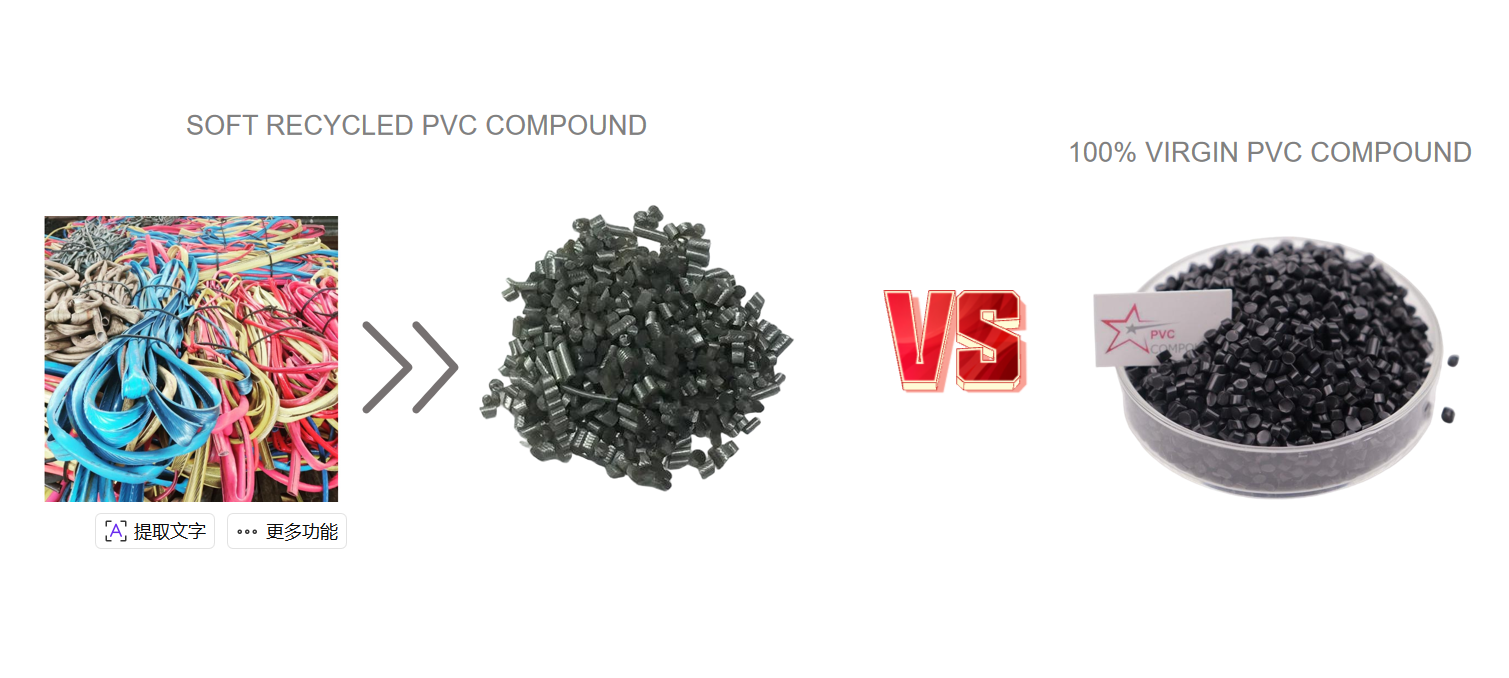
Understanding recycled PVC granules1 becomes crucial when you want to balance cost efficiency with environmental responsibility. Let me share what I've learned from 15 years in the PVC manufacturing industry.
What Raw Materials Go Into Soft Recycled PVC Granules?
Soft recycled PVC granules1 puzzle many buyers who don't understand their source materials. You might think these pellets come from mysterious waste streams.
Soft recycled PVC granules1 are manufactured from collected PVC products2 including cables, hoses, shoe soles, and flexible tubing. These materials undergo washing, crushing, and re-pelletizing with added stabilizers and plasticizers.
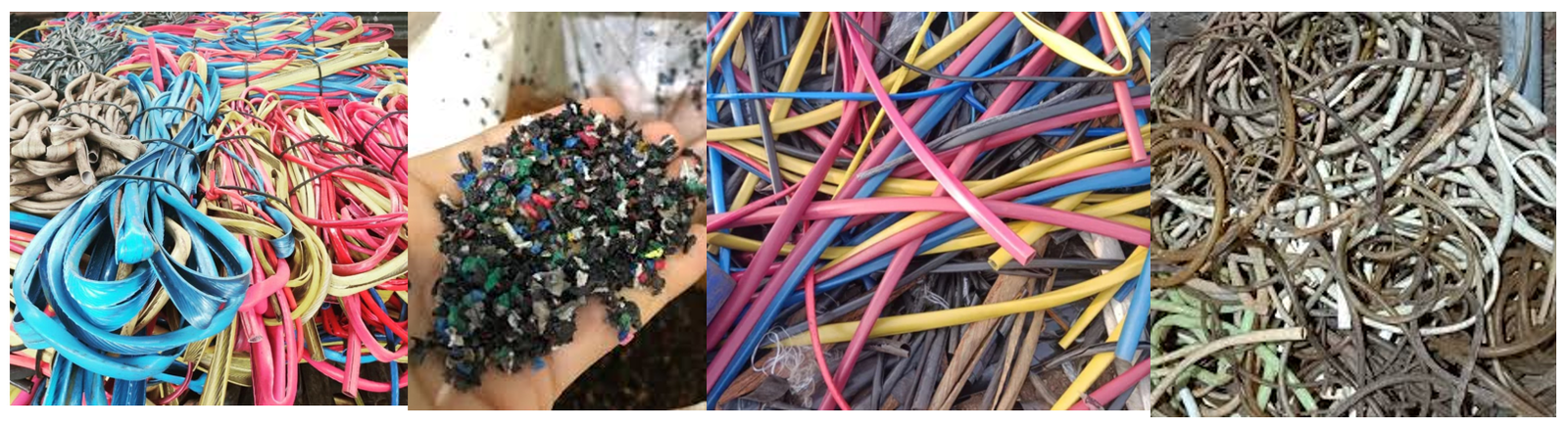
The manufacturing process5 starts when we collect various soft PVC products2 from different sources. Cable manufacturers often supply us with production waste6 and end-of-life cables. These cables contain high-quality PVC compounds that work perfectly for recycling.
We also source flexible hoses from industrial applications. These hoses typically contain plasticizers that make them suitable for soft applications. Shoe sole manufacturers provide another steady stream of material. The PVC compounds in shoe soles often have good durability properties.
Here's what happens during processing:
| Process Step | Purpose | Key Parameters |
|---|---|---|
| Collection | Source material gathering | Quality sorting by product type |
| Washing | Remove contaminants | Hot water wash at 60-80°C |
| Crushing | Size reduction | 3-5mm particle size |
| Re-pelletizing | Form new granules | 180-200°C processing temperature |
| Additive mixing | Performance adjustment | 2-5% stabilizer, 20-40% plasticizer |
One important thing I always tell customers: recycled granules typically come in black color. Why? The source materials have different colors - red cables, blue hoses, brown shoe soles. Mixing all these colors creates an unpredictable result. We add black pigment during processing to ensure consistent color.
Some manufacturers specialize in collecting only transparent PVC products2. This creates yellowish-transparent recycled granules. However, this requires much more careful sorting and typically costs more than standard black recycled material.
How Are Hard Recycled PVC Granules Different in Their Source Materials?
Hard recycled PVC granules1 come from completely different source materials than their soft counterparts. You need to understand these differences for proper application selection7.
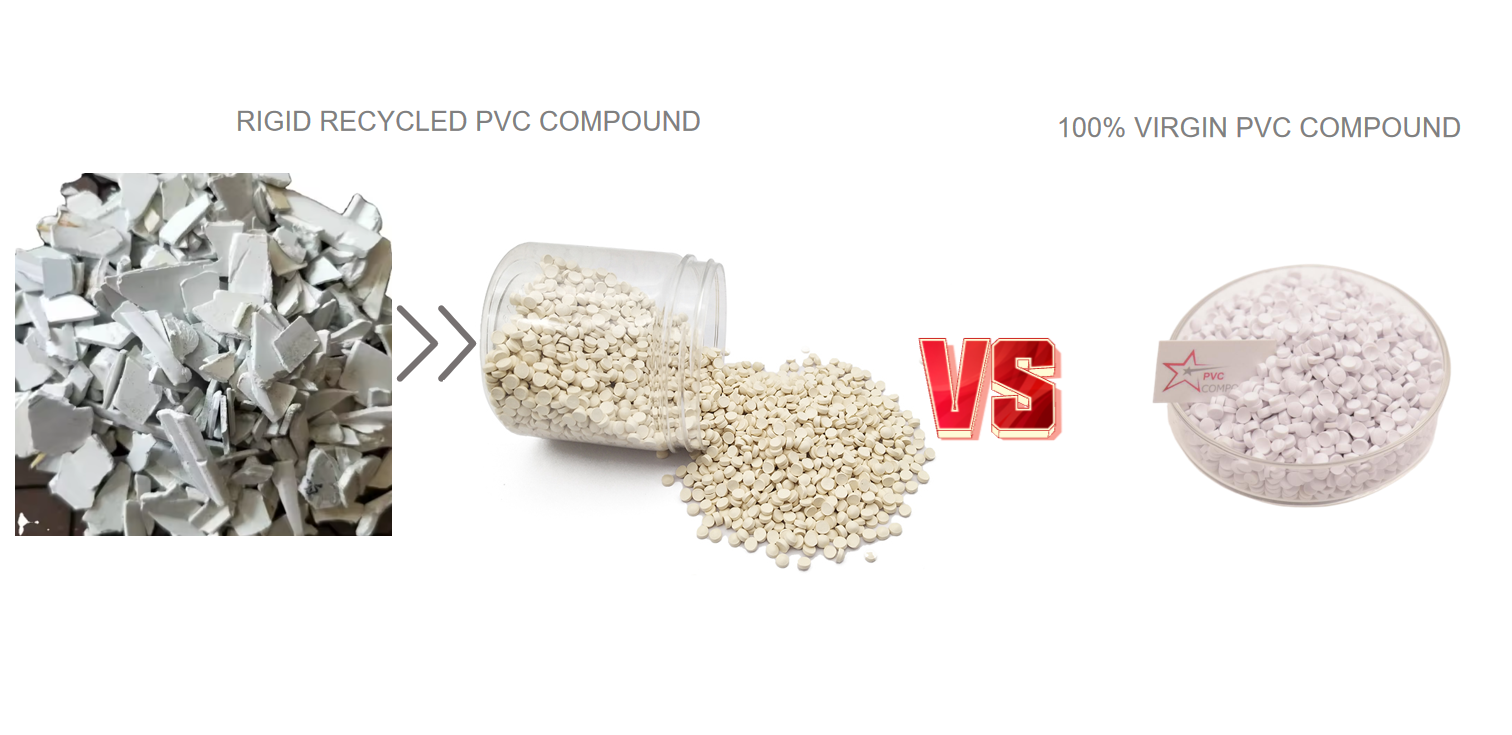
Hard recycled PVC granules1 are produced from rigid PVC products2 like pipes, fittings, window profiles, and door frames. The manufacturing process5 separates injection molding grade from extrusion grade materials based on their original processing method.
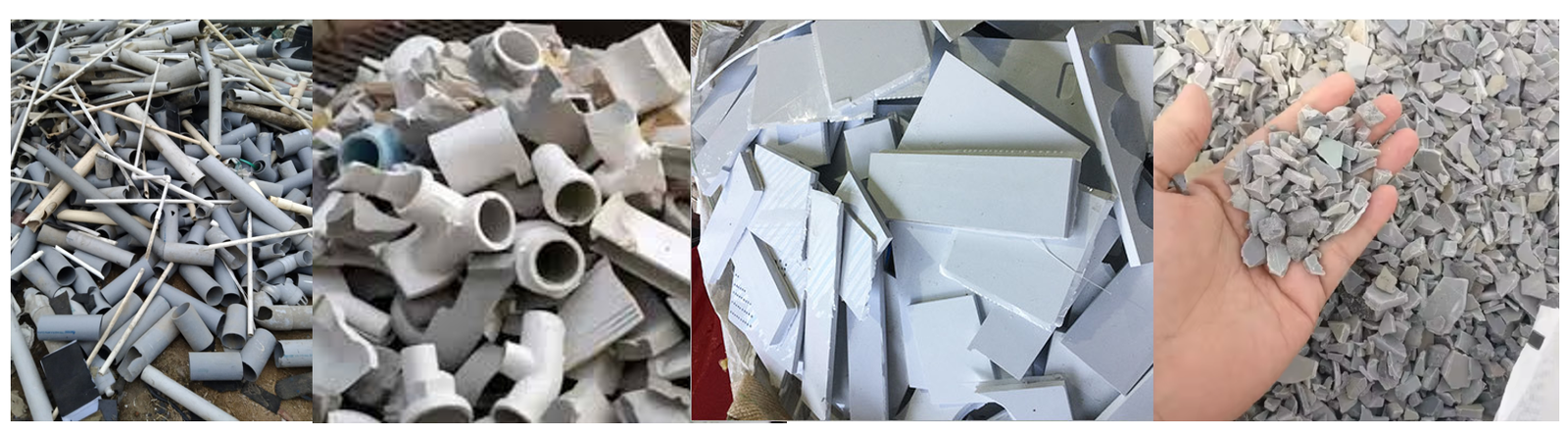
The source material selection becomes critical for hard recycled granules. We primarily collect PVC pipes from construction sites and plumbing renovations. These pipes typically contain high-quality PVC resin with minimal additives.
Window and door profile manufacturers provide another major source. These profiles often contain impact modifiers and weather-resistant additives. The recycled material retains some of these beneficial properties.
Pipe fittings represent a premium source material. Manufacturers use high-grade PVC compounds for fittings because they need excellent mechanical properties8. When we recycle these fittings, the resulting granules often perform better than standard recycled material.
The separation process requires careful attention:
Injection Molding Grade Sources:
- Pipe fittings and connectors
- Electrical junction boxes
- Rigid containers and housings
- Small molded components
Extrusion Grade Sources:
- Straight pipes and tubing
- Window and door profiles
- Rigid sheets and panels
- Continuous formed products
Color availability differs significantly from soft recycled granules. We can produce white (though often yellowed or dulled), gray, and black hard recycled granules. The white material comes from collecting white pipes and profiles. Gray material typically originates from electrical conduits and some building profiles.
Processing parameters also change for hard recycled materials. We use higher temperatures (200-220°C) and different screw configurations. The stabilizer package focuses more on heat stability rather than flexibility.
What Applications Work Best for Recycled PVC Granules?
Many customers ask me where they should use recycled PVC granules1 versus virgin material9. The application selection7 determines your success with these materials.
Recycled PVC granules work excellently for cost-sensitive applications including garden hoses, rain boots, non-critical pipes, and secondary building products. They provide 20-40% cost savings10 while maintaining adequate performance for these uses.
Let me share specific applications where I've seen great success with recycled PVC granules1:
Soft Recycled PVC Applications:
- Garden and industrial hoses (non-drinking water)
- Rain boots and waterproof footwear
- Cable sheathing for non-critical applications
- Flexible tubing for drainage systems
- Gaskets and seals for general use
Hard Recycled PVC Applications:
- Drainage and sewer pipes
- Electrical conduits for underground use
- Non-structural building profiles
- Packaging and storage containers
- Fence posts and outdoor furniture
The key lies in matching material properties with application requirements. For garden hoses, recycled soft PVC provides adequate flexibility and weather resistance. The cost savings10 often reach 30-40% compared to virgin material9.
However, I always advise customers about limitations. Recycled granules typically show 15-25% lower mechanical properties8 than virgin material9. Impact strength, elongation, and heat deflection temperature all decrease somewhat.
Quality consistency presents another challenge. Different batches can vary in properties because source materials change. We've implemented strict incoming material sorting to minimize this issue, but some variation remains inevitable.
Here's my recommendation matrix for application selection7:
| Application Type | Virgin PVC | Recycled PVC | Key Considerations |
|---|---|---|---|
| Drinking water pipes | Required | Not suitable | Food safety regulations |
| Medical devices | Required | Not suitable | Biocompatibility needs |
| Electrical insulation | Preferred | Limited use | Safety requirements |
| Garden products | Optional | Excellent | Cost-performance balance |
| Construction drainage | Optional | Excellent | Non-critical application |
| Industrial hoses | Mixed | Good | Depends on fluid compatibility |
Environmental benefits add significant value for many customers. Using recycled PVC granules1 reduces landfill waste and energy consumption. Carbon footprint decreases by approximately 40% compared to virgin PVC production.
Some customers combine recycled and virgin material9s in specific ratios. A 70% virgin, 30% recycled blend often provides good property retention with meaningful cost savings10. This approach works particularly well for semi-critical applications.
Conclusion
Recycled PVC granules offer valuable cost and environmental benefits11 when properly matched to suitable applications, despite having lower performance than virgin material9s.
Explore the composition and benefits of recycled PVC granules for sustainable manufacturing. ↩
Explore the various PVC products that can be recycled and their impact on the environment. ↩
Discover how recycled materials can provide cost-effective solutions while supporting sustainability. ↩
Find out how using recycled materials contributes to environmental sustainability efforts. ↩
Get insights into the detailed manufacturing process of recycled PVC granules. ↩
Learn about production waste in PVC manufacturing and its role in recycling. ↩
Discover best practices for selecting applications that suit recycled PVC granules. ↩
Understand the differences in mechanical properties between recycled and virgin PVC materials. ↩
Understand the concept of virgin material and its implications in PVC manufacturing. ↩
Find out how much cost savings can be achieved by using recycled PVC granules. ↩
Explore the significant environmental benefits of using recycled PVC materials. ↩
