
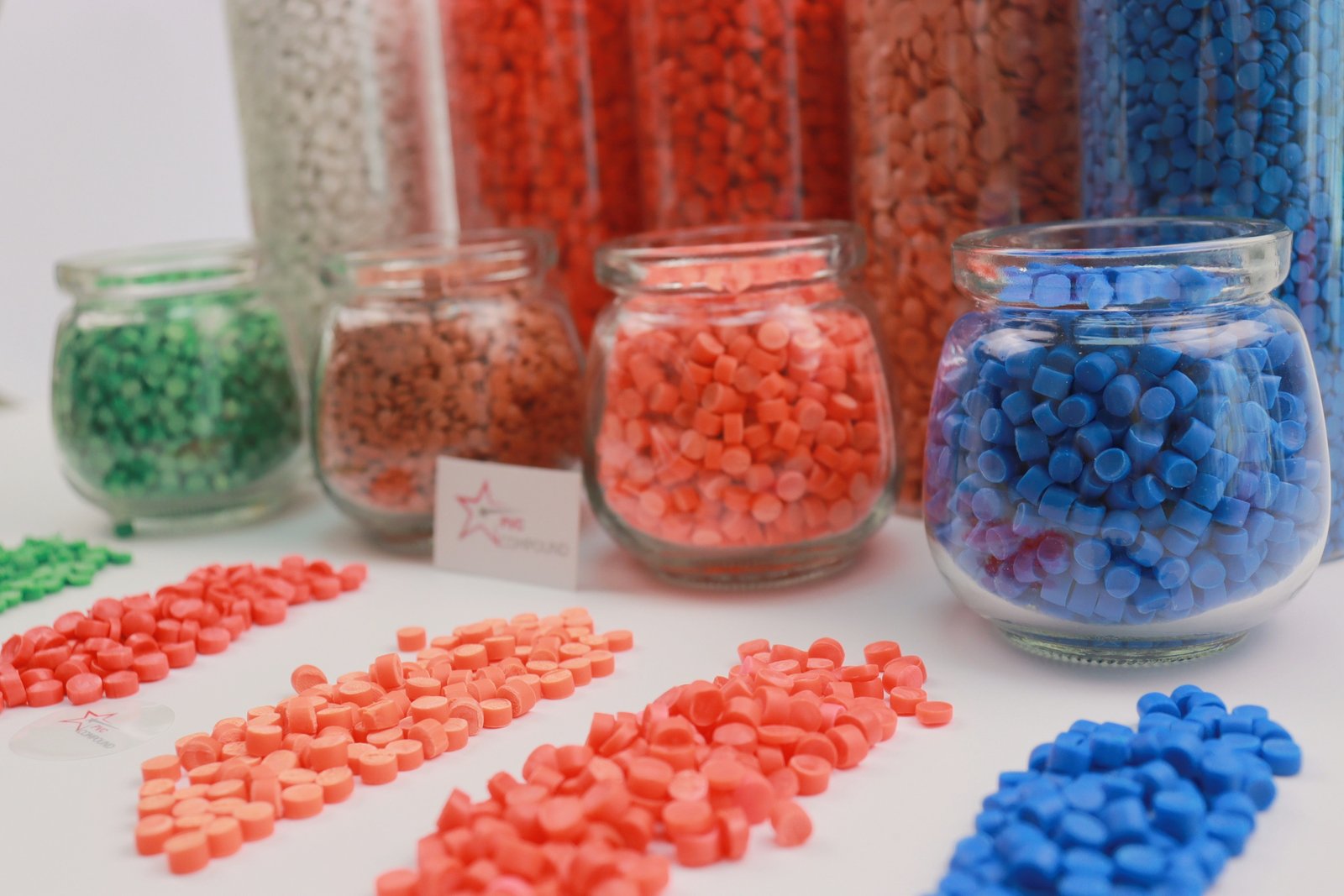
PVC wall corners need special granules that balance hardness with flexibility. Most manufacturers struggle with brittle corners that crack during installation or transport.
PVC wall corner granules1 require specific melt flow rates2 (3-6 g/10min), Shore D hardness3 (80-88), and enhanced impact resistance4 (≥5.0 kJ/m²) to ensure flexible yet durable corner profiles that won't break during handling or installation.
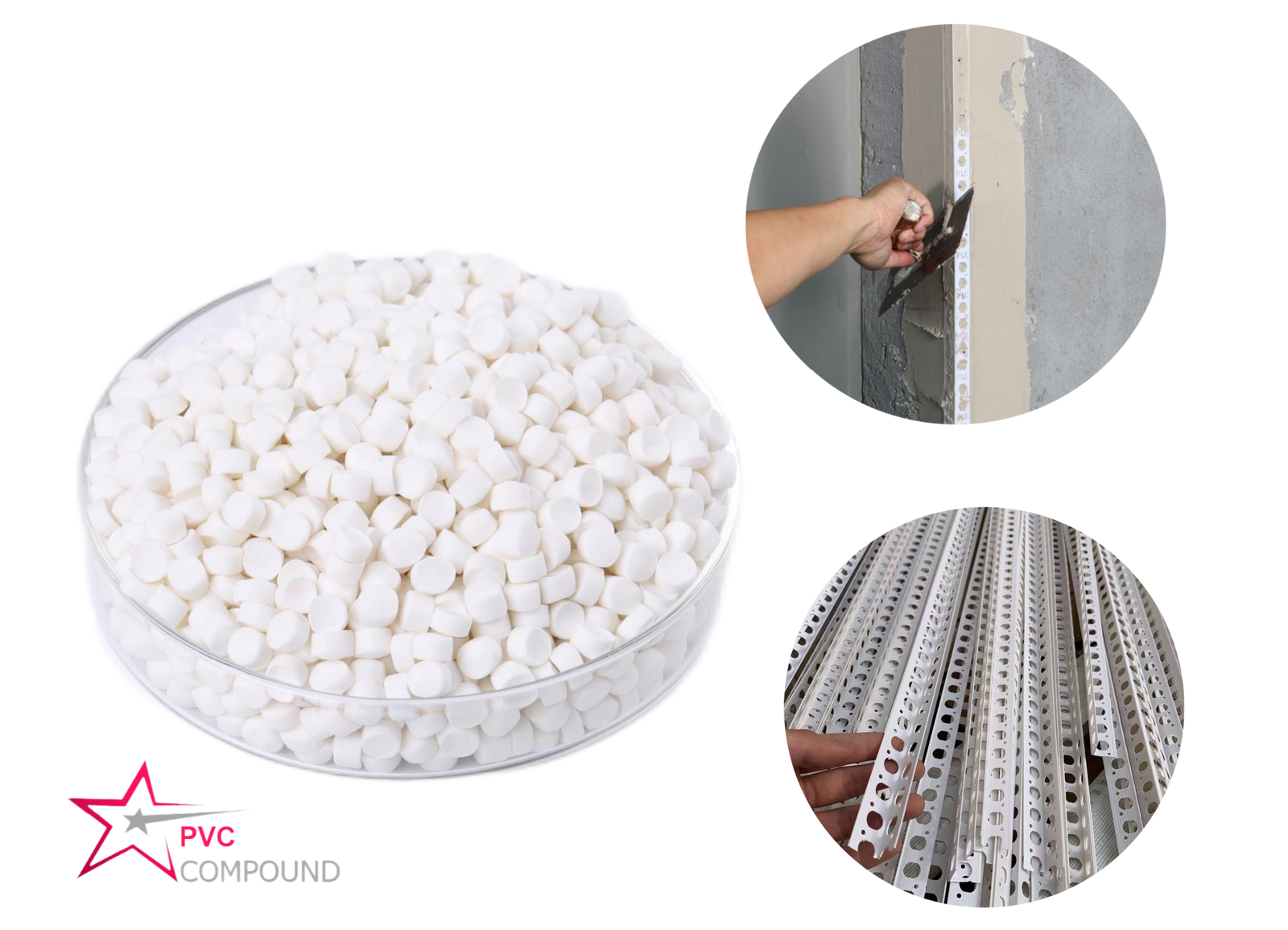
Understanding these specifications helps you choose the right PVC compound for your wall corner production. Let me share what I've learned from 15 years of manufacturing PVC granules for corner applications.
Why do PVC wall corners(Trimming) need special elasticity requirements?
Wall corners face unique challenges during production and installation. Standard rigid PVC often fails in these applications.
PVC wall corner granules1 must provide controlled flexibility5 to prevent cracking during bending while maintaining structural integrity. The material needs enough elasticity to handle installation stress without becoming too soft to hold its shape.
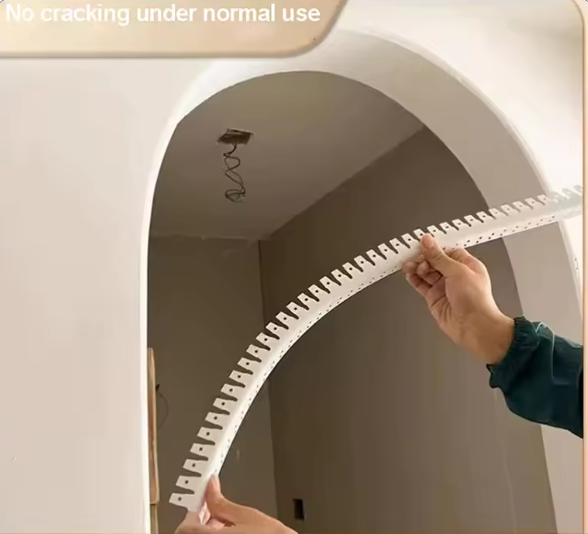
The elasticity requirement comes from real-world installation conditions. When workers install long corner strips, they need to bend and flex the material around walls. Pure rigid PVC granules create corners that snap under this stress. I've seen countless projects fail because the corners cracked during installation.
The key lies in the formulation balance. We add impact modifiers and processing aids to rigid PVC base resin. This creates what we call "modified rigid PVC" - it maintains structural strength but adds just enough flexibility. The Shore D hardness3 stays between 80-88, which gives you the rigidity for wall mounting while allowing controlled flex.
| Property | Standard Rigid PVC | Wall Corner PVC | Benefit |
|---|---|---|---|
| Shore D Hardness | 85-95 | 80-88 | Better flexibility |
| Impact Strength | 2-3 kJ/m² | ≥5.0 kJ/m² | Crack resistance |
| Elongation | 5-10% | ≥15% | Installation flexibility |
This controlled elasticity prevents the common problem where corner strips break into pieces when handled. A properly formulated granule lets you pick up a 3-meter corner strip without it sagging excessively or snapping from its own weight.
How does plasticization6 affect thin-wall corner production?
Thin-wall building profiles demand exceptional plasticization6 from PVC granules. Poor plasticization6 leads to weak spots and processing failures.
Superior plasticization6 ensures uniform melt flow through thin-wall dies, preventing weak spots, surface defects, and dimensional inconsistencies in corner profiles. Proper plasticization6 creates homogeneous material distribution even in 1-2mm wall thicknesses.
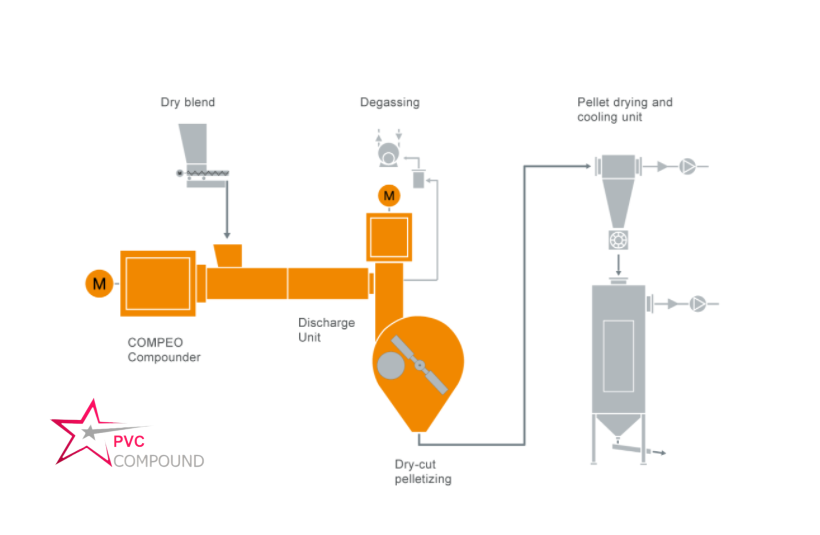
PVC Trimming profiles typically have wall thicknesses between 1-3mm. This creates major challenges during extrusion. The PVC granules must achieve complete plasticization6 within the short residence time in the extruder. Poor plasticization6 shows up as streaks, weak spots, or dimensional variations in the final product.
Our formulation process focuses on particle size distribution and thermal stabilizer selection. We use calcium-zinc stabilizers7 instead of lead-based systems for better heat transfer. The granule size stays between 2-4mm with uniform distribution. This ensures consistent melting and mixing in the extruder barrel.
The melt flow rate becomes critical here. We target 3-6 g/10min at 190°C/5kg load. This range provides enough flow for thin sections while maintaining sufficient melt strength for dimensional stability8. Too low MFR creates back-pressure and poor fill. Too high MFR leads to sagging and poor surface finish.
Temperature control during processing becomes essential. The plasticization6 window for our wall corner granules runs 165-185°C. Below this range, you get incomplete fusion and weak spots. Above this range, you risk thermal degradation and color change.
What mechanical properties ensure corner durability?
Corner profiles face constant stress from installation, thermal expansion, and accidental impacts. Specific mechanical properties determine long-term performance.
Wall corner granules need tensile strength9 ≥40 MPa, elongation10 ≥15%, and impact resistance4 ≥5.0 kJ/m² to withstand installation stress, building movement, and accidental damage while maintaining dimensional stability8 over 20+ years.

The mechanical property requirements come from real building conditions. Curved Wall Corner Bead Arc Angle Strip experience thermal cycling from heating and cooling systems. They face impact from furniture movement, cleaning equipment, and daily building use. The material must handle these stresses without cracking or deforming.
Tensile strength at 40 MPa provides the backbone strength for structural integrity. This prevents the corners from stretching or deforming under their own weight when installed as long runs. The elongation10 requirement of 15% gives enough flexibility for thermal expansion without stress cracking.
Impact resistance becomes crucial for corner applications. Unlike flat wall panels, corners stick out and face direct impacts. Our 5.0 kJ/m² specification handles typical building impacts like vacuum cleaners, furniture bumps, and maintenance equipment contact.
| Test Method | Requirement | Real-World Benefit |
|---|---|---|
| Tensile Strength (ISO 527) | ≥40 MPa | Structural integrity |
| Elongation at Break | ≥15% | Thermal expansion tolerance |
| Impact Strength (ISO 179) | ≥5.0 kJ/m² | Damage resistance |
| Vicat Softening Point | ≥75°C | Heat resistance |
The Vicat softening point11 at 75°C ensures the corners maintain their shape in normal building temperatures. Even in attics or near heating systems, the corners won't soften and deform. This temperature resistance also helps during hot-climate shipping and storage.
Why do indoor applications require strict environmental standards?
Indoor wall corners face direct human contact and contribute to interior air quality. Environmental compliance protects building occupants and meets regulatory requirements.
PVC wall corner granules1 must meet RoHS, REACH, and GB 18588 standards with vinyl chloride monomer ≤1 mg/kg, zero heavy metals, and no phthalate detection12 to ensure safe indoor air quality and regulatory compliance in residential and commercial buildings.
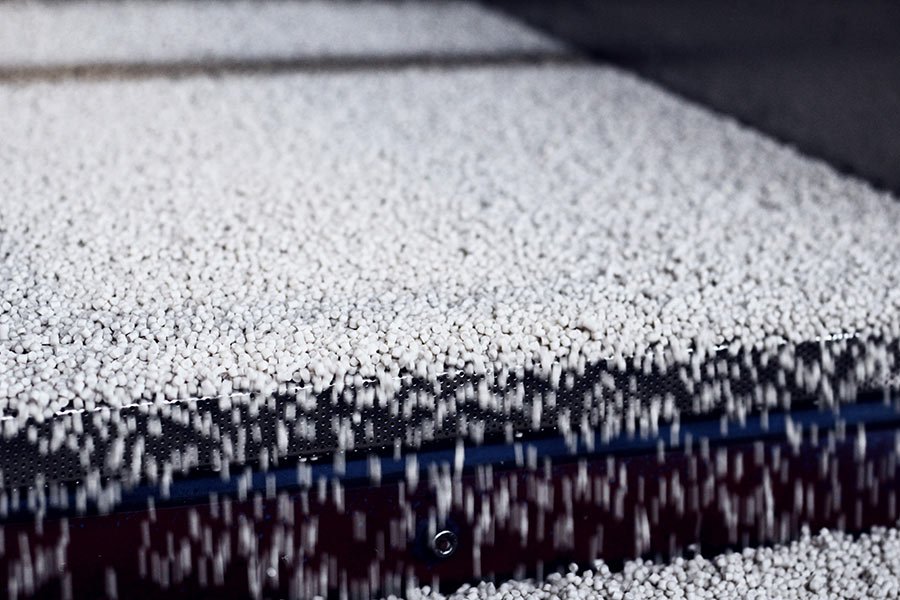
Indoor air quality concerns drive strict environmental standards for wall corner materials. Unlike exterior applications, indoor corners contribute to the air people breathe daily. Volatile organic compounds (VOCs) and toxic substances can accumulate in closed spaces, especially in modern energy-efficient buildings.
Our granule formulation eliminates problematic additives from the start. We use calcium-zinc thermal stabilizers instead of lead-based systems. Our plasticizer selection avoids phthalates completely, using alternative plasticizers like DOTP (dioctyl terephthalate) when flexibility enhancement is needed.
The vinyl chloride monomer (VCM) limit of 1 mg/kg requires careful polymerization control and granule processing. Residual VCM can off-gas over time, creating health concerns. Our supplier qualification process ensures PVC resin meets pharmaceutical-grade VCM limits before we process it into granules.
Heavy metal testing covers lead, cadmium, mercury, and chromium VI. These substances can migrate from the material over time, especially in humid conditions common in bathrooms and kitchens. Our raw material specifications require certified analysis for each batch, with zero detection limits for these substances.
| Environmental Standard | Limit | Testing Method | Compliance Benefit |
|---|---|---|---|
| VCM Content | ≤1 mg/kg | GC-MS | Indoor air safety |
| Lead Content | Not Detected | ICP-MS | Child safety |
| Phthalates | Not Detected | GC-MS | Hormone safety |
| VOC Emissions | Class A | ISO 16000 | Air quality |
Fire safety becomes equally important for indoor applications. Our B1 flame retardant rating13 (per GB 8624) ensures the corners won't contribute to fire spread. This meets building code requirements for interior finish materials in most jurisdictions.
The environmental testing extends to accelerated aging studies. We simulate 10 years of indoor exposure to verify that environmental compliance14 remains stable over the product lifecycle. This prevents situations where initially compliant materials develop problems through degradation or additive migration.
Conclusion
PVC wall corner granules1 need balanced mechanical properties, superior plasticization6, and strict environmental compliance14 to create durable, safe interior building products that perform reliably for decades.
Explore the specifications to understand how they ensure durability and flexibility in wall corners. ↩
Learn about melt flow rates to ensure optimal processing and performance of PVC materials. ↩
Discover the significance of Shore D hardness in maintaining the structural integrity of PVC products. ↩
Understanding impact resistance helps in selecting materials that withstand real-world stresses. ↩
Find out how controlled flexibility prevents cracking and enhances performance during installation. ↩
Explore how plasticization affects the quality and consistency of PVC products. ↩
Learn about calcium-zinc stabilizers as a safer alternative in PVC formulations. ↩
Understanding dimensional stability is key to ensuring the long-term performance of PVC materials. ↩
Learn why tensile strength is crucial for the durability and longevity of PVC wall corners. ↩
Understanding elongation helps assess how well PVC can handle thermal expansion and stress. ↩
Discover how the Vicat softening point affects the performance of PVC in various temperatures. ↩
Explore the health implications of phthalates in PVC and the importance of their detection. ↩
Discover the importance of flame retardant ratings in ensuring fire safety for building materials. ↩
Explore how environmental compliance ensures safety and sustainability in PVC production. ↩
