
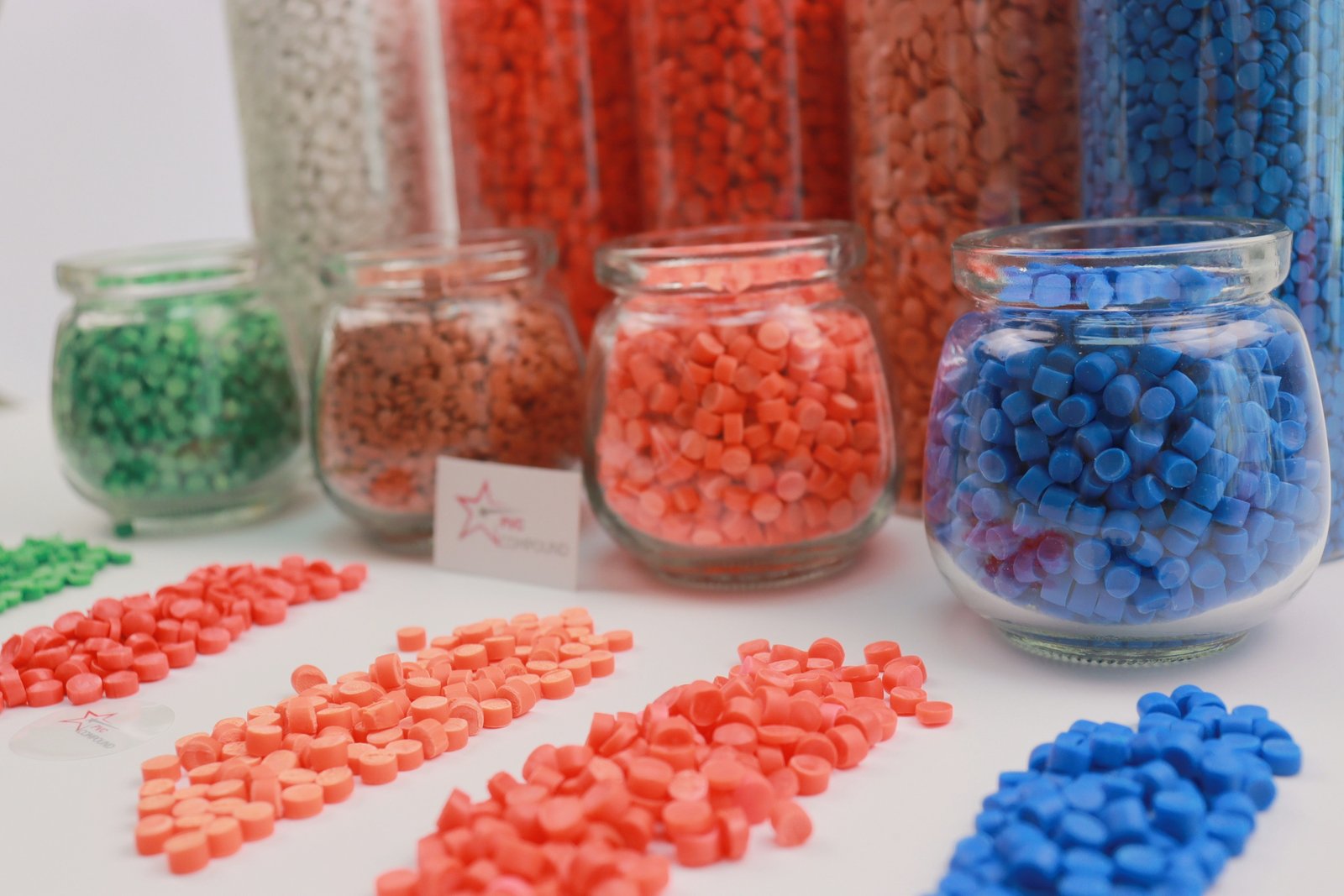
You might wonder how a tiny PVC pellet can create thousands of different products with varying properties.
PVC compound manufacturing involves precise mixing of raw materials, careful temperature control during extrusion, and specialized cooling processes to create customized pellets for specific applications.
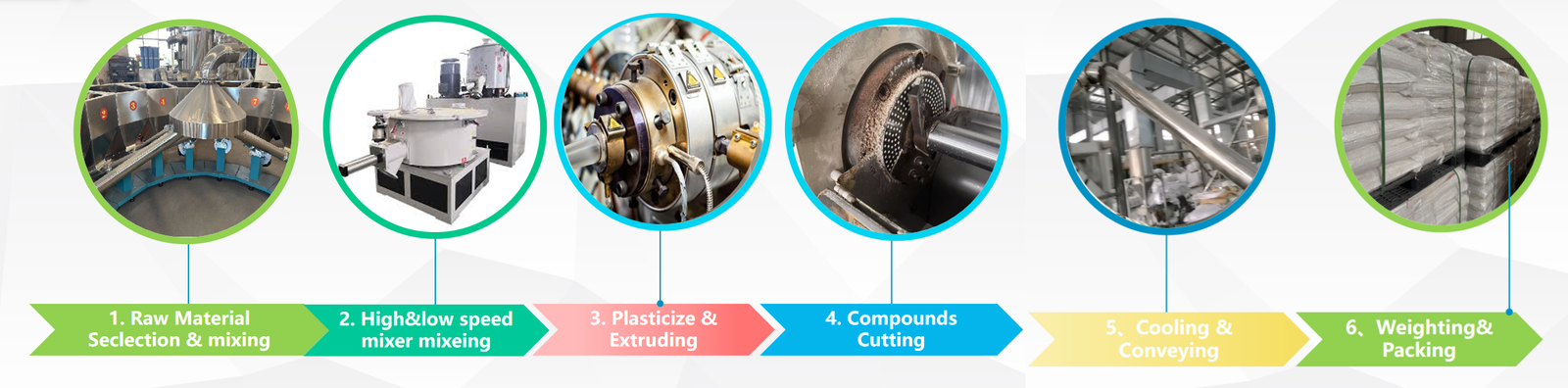
After 20 years in PVC manufacturing, I've seen how this process transforms basic materials into specialized compounds. Let me walk you through each critical step.
Why Do We Need So Many Different Raw Materials?
The complexity starts with understanding that PVC resin alone cannot meet industrial requirements.
Raw materials include PVC resin powder, plasticizers for flexibility, calcium carbonate fillers, stabilizers for heat resistance, and specialized additives like ACR, CPE, and MBS for enhanced performance.

I remember when a client asked me why we couldn't just use pure PVC resin. The answer lies in the resin's limitations. Pure PVC resin has poor thermal stability and processing characteristics. It decomposes at processing temperatures1 and becomes brittle without proper additives2.
Each raw material serves a specific purpose. PVC resin provides the base polymer structure. We select different K-values based on the final product requirements. For rigid applications like pipes, we use K67 resin. For flexible products like cables, K57 works better.
Plasticizers make the compound flexible. DOP (Dioctyl Phthalate) is common for general applications. For food-grade products, we use DINCH or other non-phthalate plasticizers3. The amount determines the final hardness - more plasticizer means softer products.
Calcium carbonate reduces costs and improves certain properties. Heavy calcium carbonate gives better surface finish. Light calcium carbonate provides better impact strength. We typically use 10-40 parts per hundred resin (phr) depending on the application.
Stabilizers prevent thermal degradation during processing4. Lead stabilizers work well but have environmental concerns. We now prefer calcium-zinc or organotin stabilizers. Heat stabilizers prevent color change and maintain mechanical properties.
Lubricants ensure smooth processing. Internal lubricants like stearic acid help polymer flow. External lubricants like PE wax prevent sticking to metal surfaces. The balance between internal and external lubrication affects both processing and final product properties.
How Do We Design the Perfect Formula?
Creating the right formula requires understanding the end product's specific requirements.
Formula design involves analyzing target properties like hardness, tensile strength, density, and processing characteristics, then calculating precise ratios of each additive to achieve these specifications.
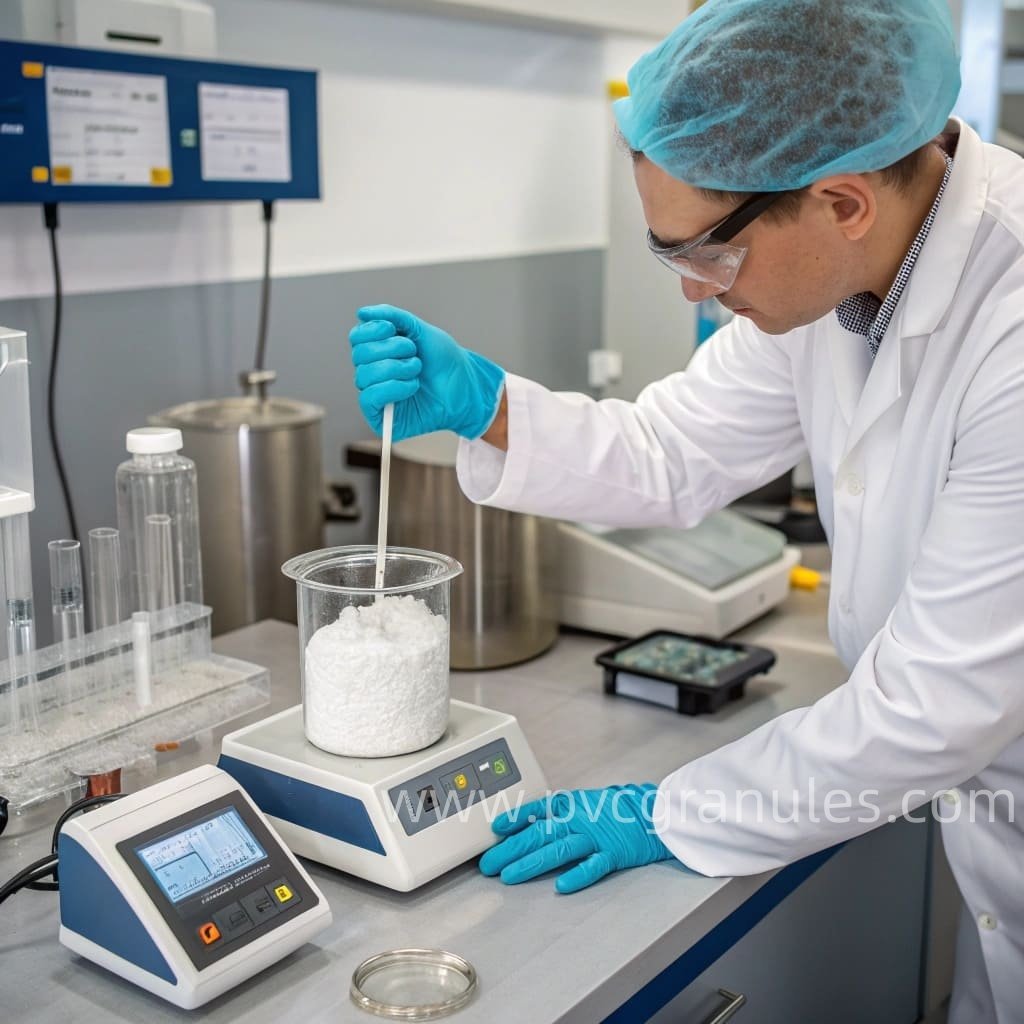
When a client wanted PVC door seal compounds, our engineers first defined the requirements. The seal needed Shore A hardness of 63, specific gravity between 1.3-1.5, excellent elongation properties, and good shape retention after compression.
We start with the base PVC resin selection. For flexible seals, K57 resin provides good processability. Then we calculate plasticizer content. For Shore A 63 hardness, we need approximately 45-55 phr of plasticizer, depending on the specific grade used.
Filler content affects both cost and properties. For density requirements of 1.3-1.5, we can use 20-40 phr calcium carbonate. Higher filler content reduces cost but may affect flexibility and surface finish.
Stabilizer selection depends on processing temperature and end-use requirements. For outdoor applications, we need UV stabilizers in addition to heat stabilizers. Indoor applications require only heat stabilizers.
Processing aids like ACR (Acrylic Processing Aid) improve melt strength and surface finish. MBS (Methyl Methacrylate Butadiene Styrene) enhances impact strength. CPE (Chlorinated Polyethylene) improves weather resistance and impact properties5.
The formula development process involves laboratory testing of small batches. We prepare 500-gram samples and test key properties. Based on results, we adjust ratios until we achieve target specifications. This iterative process typically takes 3-5 trials for new formulations.
What Happens During the Critical Mixing Stage?
Proper mixing ensures uniform distribution of all additives throughout the PVC resin.
The mixing process involves high-speed blending at controlled temperatures followed by slow cooling, then 24-hour maturation to ensure complete additive absorption and uniform distribution.
I've learned that mixing is where many manufacturers make critical errors. The process seems simple but requires precise control of multiple parameters.
We start by weighing each component separately. Accuracy is crucial - even 0.1% variation in stabilizer content can affect the final product's thermal stability. Our weighing systems have 0.01% accuracy for major components and 0.1% for minor additives.
The high-speed mixer operates at 500-1200 rpm. We add PVC resin first, then liquid additives like plasticizers and liquid stabilizers. Powder additives come next, followed by fillers like calcium carbonate. This sequence ensures proper distribution.
Temperature control during mixing is critical. We start mixing at room temperature and monitor temperature rise due to friction. For rigid compounds, we typically heat to 110-120°C. For flexible compounds, 90-100°C is sufficient. Higher temperatures can cause premature gelation or thermal degradation.
The high-speed mixing phase takes 8-12 minutes depending on batch size and formulation. We monitor power consumption - when it peaks and starts declining, the mixing is complete. This indicates that all additives have been absorbed by the PVC resin.
After high-speed mixing, we switch to slow-speed cooling. This phase takes 15-20 minutes and brings the temperature down to 40-50°C. Rapid cooling can cause thermal shock and uneven cooling, leading to processing problems later.
The 24-hour maturation period allows complete absorption of liquid additives into PVC resin particles. During this time, plasticizers penetrate the resin structure, and other additives reach equilibrium distribution. Compounds processed immediately after mixing often show poor surface finish and inconsistent properties.
How Does Extrusion Transform Powder into Pellets?
The extrusion process melts and homogenizes the dry blend into uniform pellets.
Extrusion involves feeding the dry blend through heated barrel zones where twin screws provide mixing, melting, and degassing before forcing the molten compound through a multi-hole die to form strands.
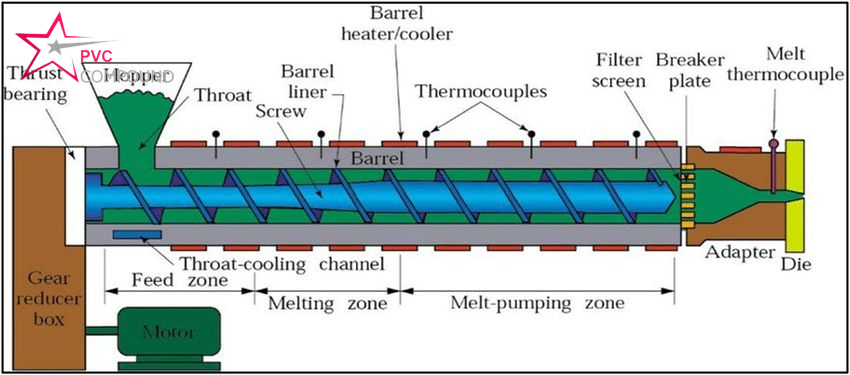
Our twin-screw extruders have different zones, each serving a specific purpose. The feeding zone receives dry blend from the loss-in-weight feeder. This zone operates at low temperature (40-60°C) to prevent premature melting and ensure steady feeding.
The conveying zone transports material forward while beginning the heating process. Temperature gradually increases to 120-140°C. The screw design in this zone focuses on conveying rather than mixing to prevent overheating.
The plasticizing zone is where the magic happens. Barrel temperatures reach 160-180°C for most PVC compounds. The combination of external heating and internal friction from screw rotation melts the PVC resin. This is the most critical zone because PVC is thermally sensitive.
I always stress to our operators that PVC compounds have a narrow processing window. Too low temperature results in poor melting and rough surfaces. Too high temperature causes thermal degradation, releasing HCl gas and causing yellowing. We continuously monitor melt temperature using infrared sensors.
The homogenizing zone ensures uniform mixing and can include vacuum degassing. Vacuum removes moisture and volatile compounds that could cause bubbles or poor surface finish in final products. This step is particularly important for transparent or high-quality compounds.
The die zone shapes the molten compound into multiple strands. We typically use dies with 20-50 holes depending on the extruder size. Die temperature is slightly lower than barrel temperature to prevent overheating during the residence time in the die.
Screw speed affects both output rate and mixing quality. Higher speeds increase output but generate more heat through friction. We typically operate at 200-400 rpm depending on the formulation and required output rate.
What Makes the Final Processing Steps So Important?
Proper pelletizing, cooling, and packaging ensure consistent pellet quality and long-term storage stability.
The final steps include strand cooling in water baths, precision cutting into uniform pellets, hot air drying to remove surface moisture, and proper packaging to prevent contamination and moisture absorption.
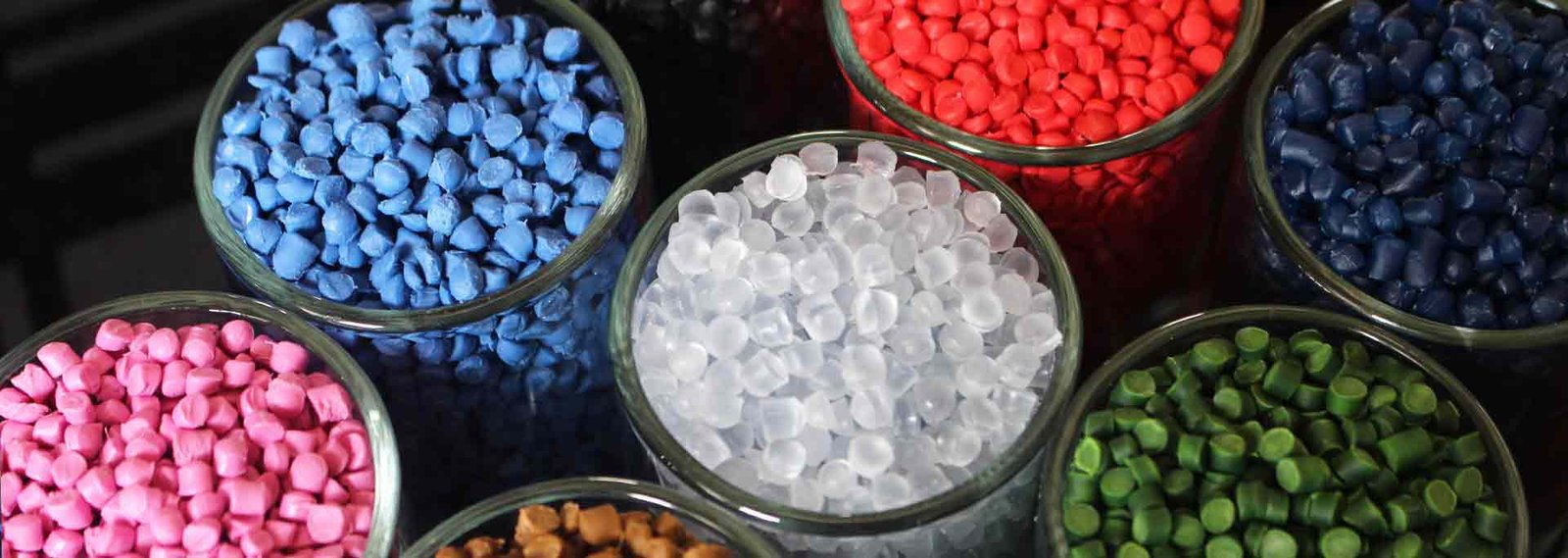
After exiting the die, the hot strands enter a water cooling bath. Water temperature control is crucial - too cold water can cause thermal shock and stress cracking. Too warm water provides insufficient cooling. We maintain water temperature at 15-25°C depending on the compound type and strand diameter.
The cooling bath length must provide sufficient residence time for complete cooling. Strands typically spend 30-60 seconds in the water bath. Insufficient cooling results in pellets sticking together. Over-cooling wastes energy and can cause brittleness in some formulations.
The pelletizing unit cuts the cooled strands into uniform pellets. Blade sharpness and cutting speed affect pellet quality. Dull blades create irregular cuts and generate dust. We maintain cutting speeds that produce pellets 2-4mm in length for most applications.
After cutting, pellets pass through a hot air dryer to remove surface moisture. This step prevents pellet clumping during storage and ensures consistent processing in customer equipment. Drying temperature is typically 60-80°C with residence time of 10-15 minutes.
Quality control during pelletizing includes continuous monitoring of pellet size distribution, bulk density, and moisture content. We sample every 30 minutes and test key properties. Any deviation from specifications triggers immediate process adjustment.
Packaging requires careful attention to prevent contamination and moisture absorption. We use moisture-barrier bags for hygroscopic compounds and anti-static additives for compounds prone to dust generation. Proper labeling includes batch numbers, production date, and storage recommendations.
Storage conditions affect compound stability. We recommend storage in cool, dry conditions away from direct sunlight. Some compounds have limited shelf life due to additive migration or chemical reactions over time.
Conclusion
PVC compound manufacturing combines precise chemistry with controlled processing to create customized materials for diverse applications.
"Kinetic Study of Polyvinyl Chloride Pyrolysis with ...", https://www.osti.gov/servlets/purl/2352421. A peer-reviewed review on PVC degradation can support that PVC undergoes thermal dehydrochlorination when heated, producing hydrogen chloride and discoloration under processing-relevant conditions. Evidence role: mechanism; source type: paper. Supports: PVC decomposes at processing temperatures if not adequately stabilized.. Scope note: The onset temperature and rate of decomposition depend on formulation, oxygen exposure, shear, and stabilizer content. ↩
"Polyvinyl chloride", https://en.wikipedia.org/wiki/Polyvinyl_chloride. A materials reference can support that unplasticized PVC is a relatively rigid thermoplastic and that plasticizers are used to increase flexibility and reduce brittleness in flexible PVC formulations. Evidence role: mechanism; source type: encyclopedia. Supports: PVC becomes brittle or remains rigid without proper additives such as plasticizers or impact modifiers.. Scope note: Brittleness also depends on molecular weight, impact modifiers, temperature, and product geometry. ↩
"A review of common non-ortho-phthalate plasticizers for ...", https://pubmed.ncbi.nlm.nih.gov/35452769/. A food-safety or toxicology source can support that DINCH is a non-phthalate plasticizer used as a substitute for phthalates in applications involving food-contact or sensitive consumer products. Evidence role: case_reference; source type: government. Supports: DINCH and other non-phthalate plasticizers are used for food-grade or food-contact PVC products.. Scope note: Approval and permitted use levels depend on jurisdiction and specific food-contact regulations. ↩
"Effects of Organic Based Heat Stabilizer on Properties ... - PMC", https://pmc.ncbi.nlm.nih.gov/articles/PMC8747308/. A polymer additives source can support that PVC heat stabilizers inhibit or slow thermal dehydrochlorination and associated discoloration during melt processing. Evidence role: mechanism; source type: paper. Supports: PVC stabilizers prevent or reduce thermal degradation during processing.. Scope note: The effectiveness of stabilizers depends on stabilizer chemistry, formulation, temperature, and residence time. ↩
"Impact behavior of modified PVC for outdoor applications", https://www.academia.edu/116201230/Impact_behavior_of_modified_PVC_for_outdoor_applications. A polymer materials source can support that chlorinated polyethylene is used as an impact modifier in PVC and can improve toughness and weathering-related performance in selected formulations. Evidence role: mechanism; source type: paper. Supports: CPE improves PVC weather resistance and impact properties.. Scope note: Weather resistance and impact gains depend on CPE chlorine content, loading, PVC formulation, and testing conditions. ↩
