
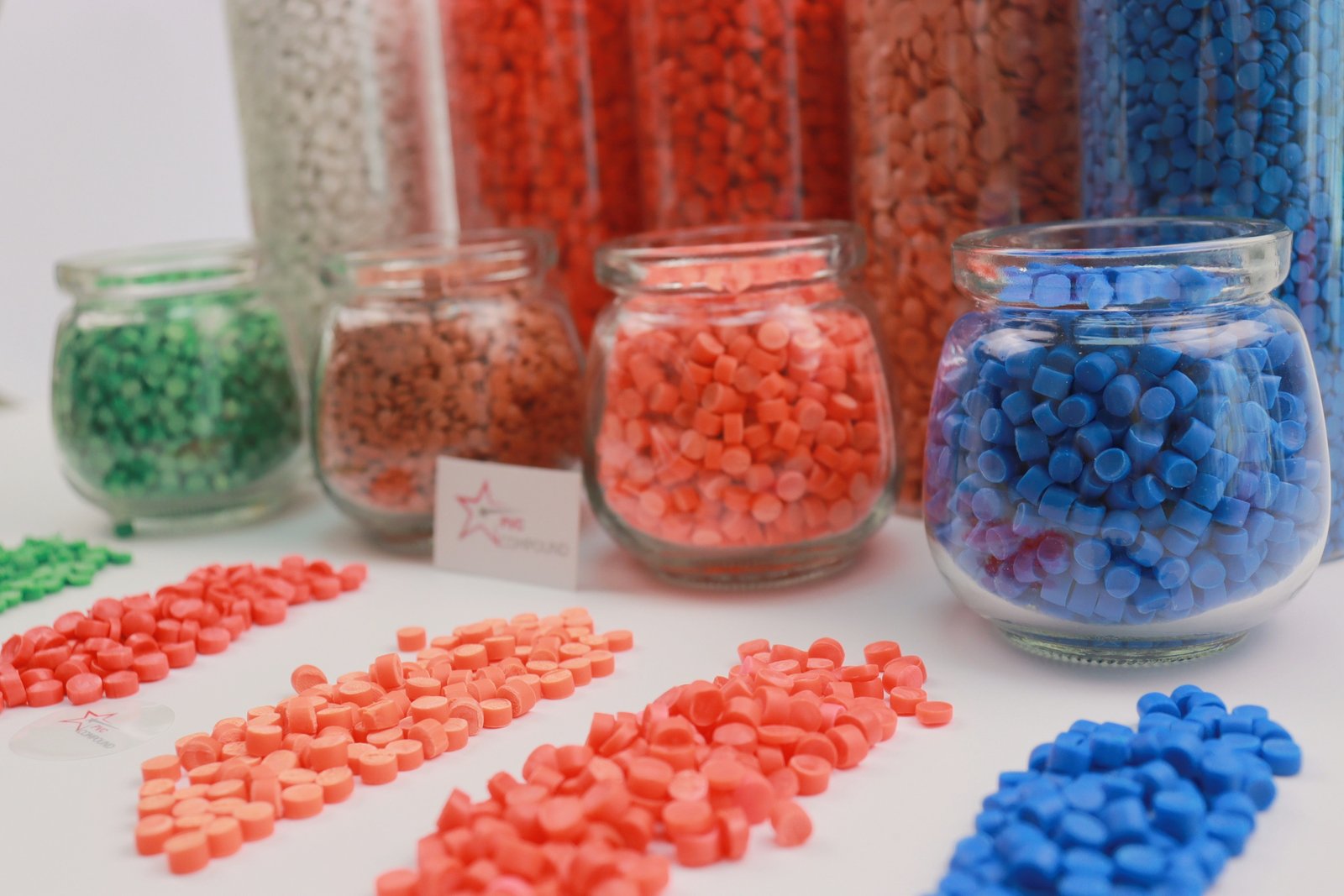
Are you struggling to find the right raw materials after purchasing your pipe fitting injection molding machine? You are not alone in this challenge.
Finding quality PVC compounds1 for pipe fittings2 requires understanding specific performance criteria3 and selecting manufacturers with proven formulation capabilities. The right supplier should offer customized solutions4, comprehensive testing facilities, and consistent quality control systems5.
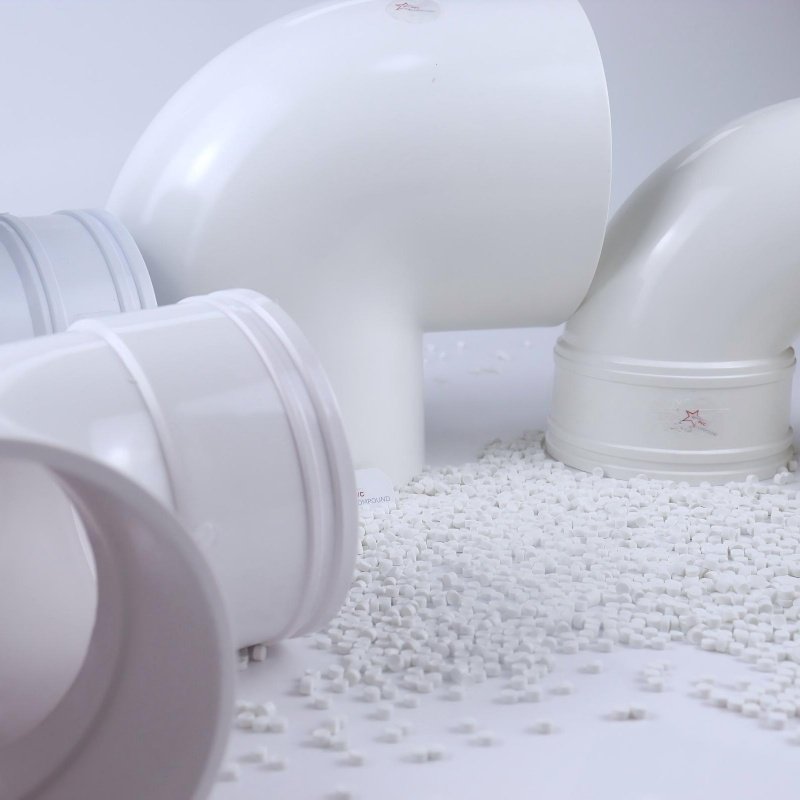
After working in the PVC compound industry for nearly 20 years, I have seen countless manufacturers struggle with poor material choices. The difference between success and failure often comes down to understanding what makes a good PVC compound and how to evaluate potential suppliers.
How do you evaluate the quality of pipe fittings2?
Quality pipe fittings2 can make or break your entire plumbing system. Poor materials lead to failures that cost time and money.
Quality pipe fittings2 are evaluated through appearance standards including gloss, color consistency, surface smoothness6, and performance criteria3 such as impact resistance7, pressure tolerance8, and thermal stability9. These factors directly correlate with the PVC compound formulation quality.
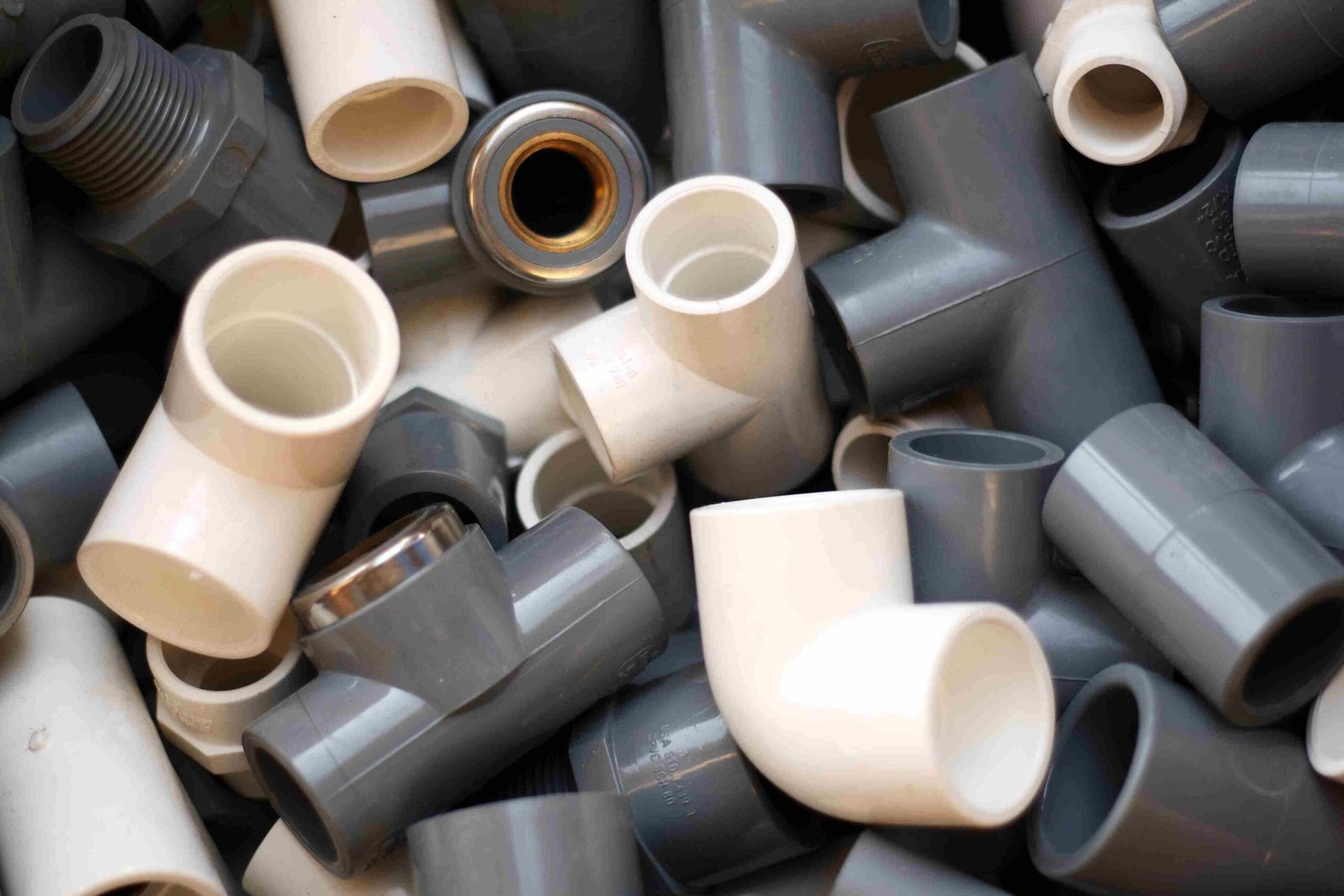
Appearance Quality Standards
The visual quality of your pipe fittings2 tells a story about the underlying material quality. When I examine fittings in our laboratory, I focus on several key aspects.
Gloss Level Requirements: The surface gloss directly reflects the plasticization performance of your PVC compound. High-quality compounds produce fittings with consistent, attractive gloss levels. Poor plasticization results in dull, uneven surfaces that customers will reject immediately.
Color Consistency: Standard color matching10 requires sophisticated laboratory equipment and experienced technicians. We maintain a comprehensive color matching10 system because even slight color variations can indicate batch-to-batch inconsistencies in your compound formulation.
Surface Defects: Spots, streaks, and flow marks around injection points indicate poor compound flowability. These defects often result from inadequate formulation systems or inconsistent mixing processes during compound production.
| Quality Aspect | Good Compound Result | Poor Compound Result |
|---|---|---|
| Gloss Level | Consistent, high gloss | Dull, uneven surface |
| Color Match | Exact standard match | Visible color variation |
| Surface Quality | Smooth, defect-free | Spots, streaks, marks |
What performance characteristics matter most for pipe fittings2?
Beyond appearance, the functional performance of your fittings determines their real-world success. These performance factors directly connect to your compound specifications.
Critical performance characteristics include impact resistance7 for handling durability, pressure tolerance8 for system integrity, internal surface smoothness6 for flow efficiency, and thermal stability9 to prevent softening under temperature stress. Each characteristic requires specific compound formulation expertise11.
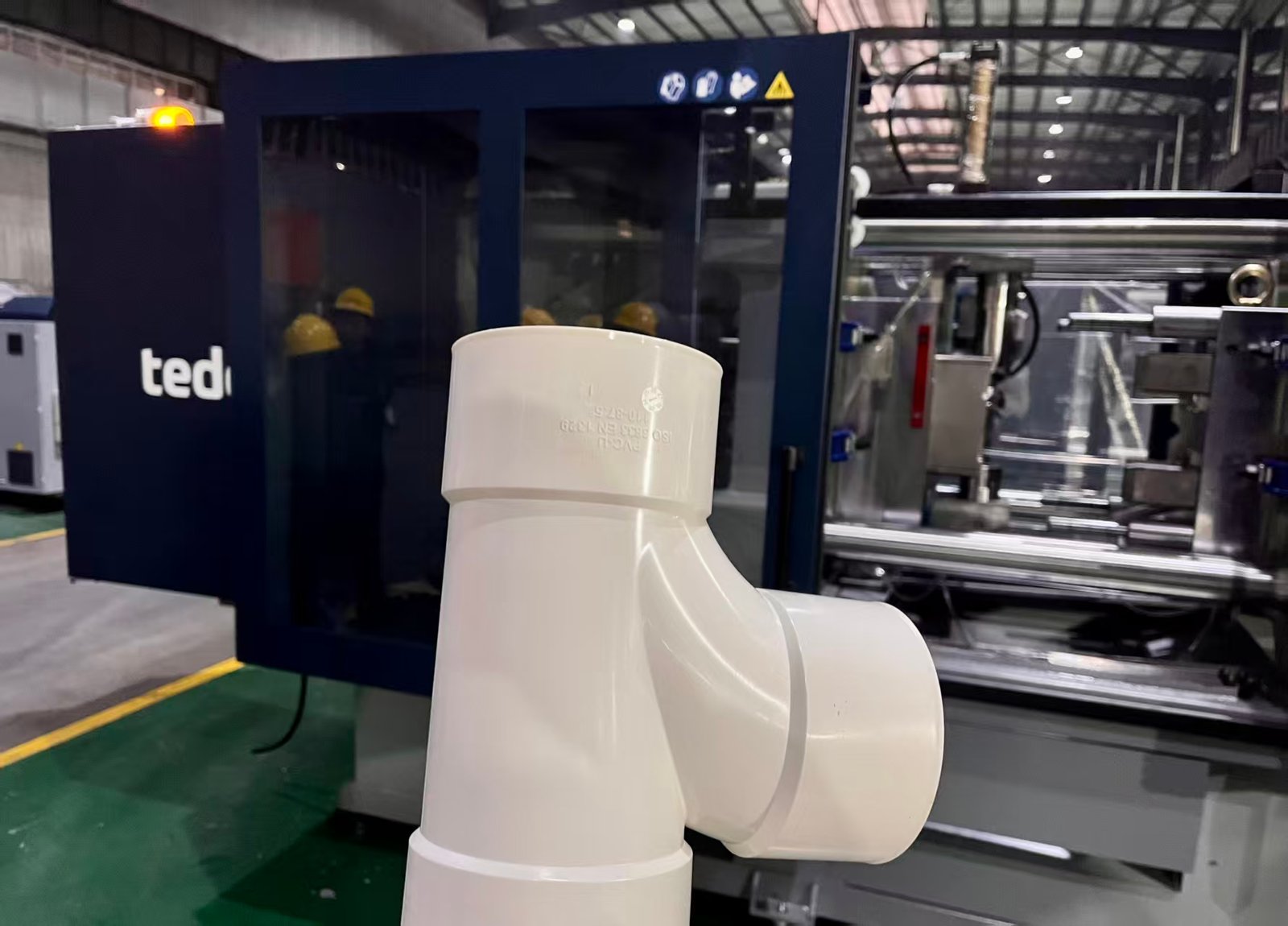
Impact Resistance and Durability
Impact resistance separates quality fittings from those that crack during installation or use. The selection and proportion of impact modifiers in your PVC compound determines this crucial property. Our laboratory tests every batch because impact performance varies significantly with formulation changes.
Pressure Tolerance: Your fittings must withstand system pressures without failure. This requires optimal plasticization levels and careful calcium carbonate filler ratios. Too much filler reduces strength, while too little increases costs unnecessarily.
Internal Surface Quality: Smooth internal surfaces reduce friction losses and improve flow rates. This smoothness depends entirely on the plasticization quality of your PVC compound. Poor compounds create rough surfaces that reduce system efficiency.
Thermal Stability: High-temperature environments test your stabilizer systems. Poor stabilizer selection causes softening and deformation. We have developed specialized high-temperature formulations for challenging applications.
| Performance Factor | Compound Requirement | Testing Method |
|---|---|---|
| Impact Resistance | Optimized impact modifiers | Charpy impact test |
| Pressure Tolerance | Balanced filler ratios | Hydrostatic pressure test |
| Surface Smoothness | Complete plasticization | Surface roughness measurement |
| Thermal Stability | Advanced stabilizer systems | Vicat softening point test |
How do you choose the right PVC compound manufacturer?
Selecting the wrong supplier can destroy your product quality and damage your reputation. The right choice requires evaluating specific technical capabilities.
Choose manufacturers with comprehensive formulation systems, customization capabilities, advanced laboratory facilities, and experienced technical teams. Look for suppliers who can adjust formulations based on your wall thickness requirements and specific application needs.
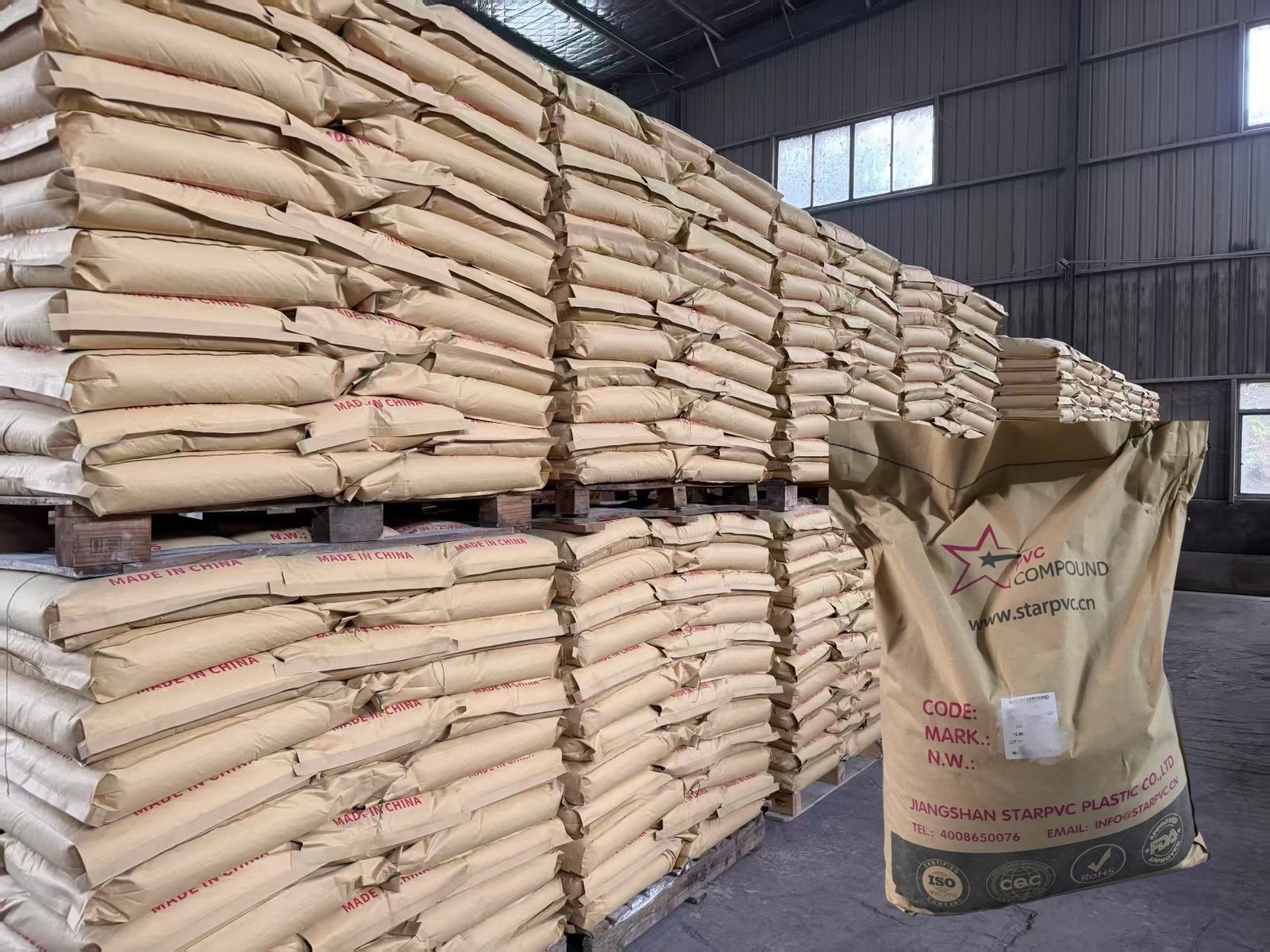
Essential Manufacturer Capabilities
Complete Formulation Systems: Your supplier must have proven formulation expertise11 across all performance requirements. We have developed hundreds of specialized formulations over nearly 20 years because each application has unique requirements.
Customization Abilities: Standard compounds rarely meet specific application needs. Your manufacturer should adjust formulations based on your product thickness, machine specifications, and performance requirements. We customize every compound because no two applications are identical.
Laboratory Infrastructure: Advanced testing equipment ensures consistent quality. Your supplier needs capabilities for color matching10, impact testing, thermal analysis, and flow property measurement. Our laboratory runs over 200 tests monthly to maintain quality standards.
Technical Experience: Experienced engineers understand the relationships between formulation changes and final product performance. Our technical team averages over 8 years of experience because compound development requires deep knowledge.
Quality Control Systems
Raw Material Testing: Quality starts with incoming materials. Your supplier should test all raw materials against RoHS and REACH standards. We maintain strict supplier qualification programs12 because poor raw materials cannot produce good compounds.
Production Monitoring: Automated systems ensure consistent mixing and processing. Modern twin-screw extrusion with continuous monitoring prevents batch variations. Our production lines achieve 95% particle size uniformity because consistency matters.
Final Product Testing: Every batch requires comprehensive testing before shipment. We test tensile strength, thermal properties, and color consistency because our customers depend on reliable performance.
What makes a reliable long-term supplier partnership13?
Building successful relationships with PVC compound suppliers requires understanding their capabilities and commitment levels. Short-term thinking leads to long-term problems.
Reliable suppliers demonstrate consistent quality delivery, technical support14 capabilities, flexible order quantities, reasonable lead times, and commitment to continuous improvement15. They should offer formulation optimization16 services and application guidance for complex requirements.
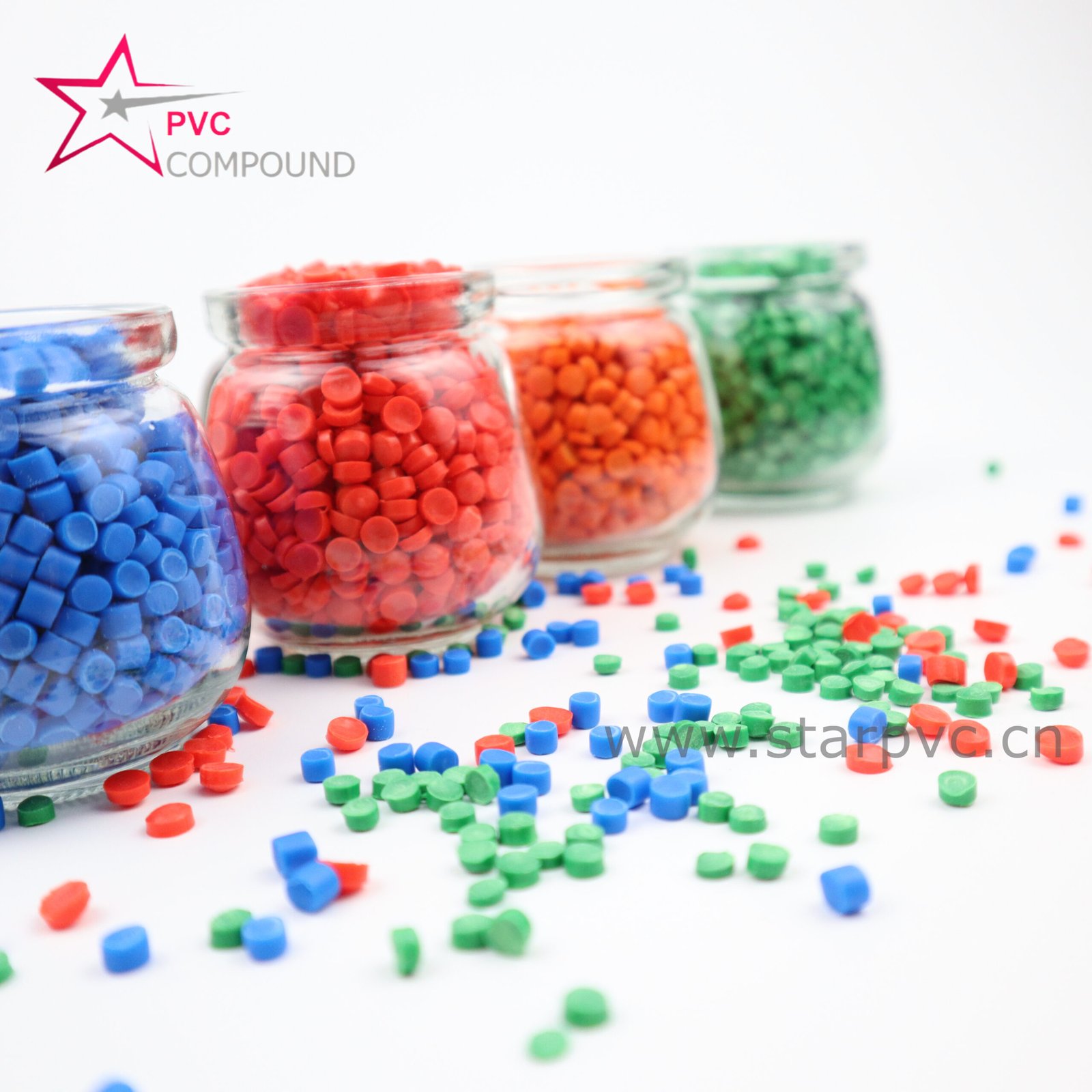
Service and Support Capabilities
Technical Support: Your supplier should provide ongoing formulation optimization16 and troubleshooting assistance. We offer technical consultations because successful customers create successful suppliers. Our engineers help solve processing issues and optimize performance.
Inventory Management: Flexible ordering supports your production schedules. We accept orders starting from 500 kilograms because smaller manufacturers need supply chain flexibility. Our 7-15 day delivery cycles help customers respond quickly to market demands.
Certification Support: International market access requires proper certifications. We maintain ISO 9001, RoHS, REACH, FDA, and NSF certifications because global customers need compliance documentation.
Continuous Development: Technology advances require ongoing formulation improvements. We invest in research and development because static formulations become obsolete. Our laboratory develops new solutions for emerging market requirements.
At our company, we have focused on PVC granule production for nearly 20 years. Every compound we produce is customized according to customer requirements. Our 15 production lines serve customers in over 50 countries because quality and service create lasting relationships.
Conclusion
Selecting the right PVC compound supplier requires evaluating technical capabilities, quality systems, and service commitment to ensure your pipe fitting success.
Explore this link to find reliable suppliers of high-quality PVC compounds essential for your projects. ↩
This resource will guide you in selecting the right pipe fittings to ensure a reliable plumbing system. ↩
Understanding performance criteria is crucial; this link provides detailed insights into evaluating PVC compounds. ↩
Discover how customized solutions can enhance your PVC products and meet specific application needs. ↩
Learn about quality control systems that ensure consistent product quality in PVC manufacturing. ↩
This link highlights the importance of surface smoothness for efficient flow in plumbing systems. ↩
This link explains the testing methods for impact resistance, a critical factor in PVC compound performance. ↩
Explore the significance of pressure tolerance in ensuring the integrity of plumbing systems. ↩
Understanding thermal stability is vital; this resource explains its impact on PVC performance. ↩
This resource provides insights into the color matching process, crucial for product consistency. ↩
Explore how formulation expertise can significantly impact the quality of PVC compounds. ↩
Learn about supplier qualification programs that ensure high-quality raw materials for PVC production. ↩
Discover how long-term partnerships can lead to better quality and service in PVC supply chains. ↩
Discover the essential technical support services that can enhance your PVC manufacturing process. ↩
Explore strategies for continuous improvement that can keep your PVC products competitive. ↩
Explore the concept of formulation optimization and its benefits for enhancing PVC product performance. ↩
