
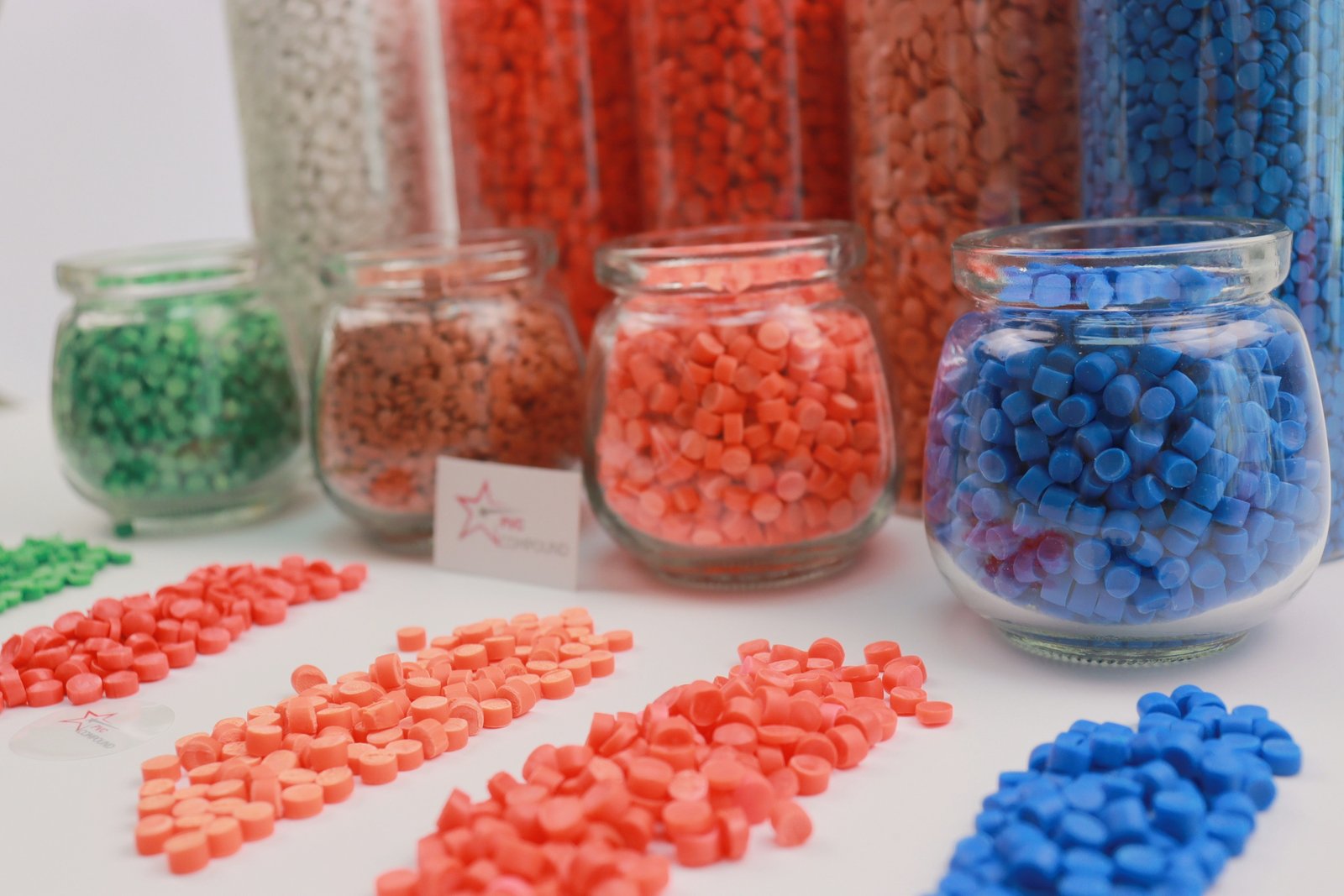
Are you confused by the constantly changing PVC prices? Every supplier gives different quotes, and there's no standard pricing structure.
PVC granule prices1 depend on three main factors: raw material costs2, production expenses3, and transportation fees4. Raw materials like PVC resin5 and plasticizers6 can create price differences of up to $400 per ton between suppliers. At our company, we carefully select all raw materials and have a mature formula system in place. If you are looking for suitable PVC granules, feel free to contact us for customization.
Understanding these price factors helps you make better purchasing decisions. Let me break down each element that affects your PVC granule costs.
How do raw materials affect PVC granule pricing?
Raw materials make up the biggest chunk of PVC granule costs. Price differences here can be dramatic between suppliers.
PVC granules contain five main raw materials: PVC resin5, plasticizers6, stabilizers, lubricants7, and calcium carbonate fillers8. The quality and type of each ingredient directly impacts the final price.

PVC Resin Types and Their Price Impact
PVC resin5 comes in two main types. Carbide-based resin costs less but has quality variations between batches. Ethylene-based suspension resin costs more but offers higher purity and better stability.
I've seen many buyers choose cheaper carbide-based resin only to face production problems later. The batch-to-batch variations can cause headaches in your manufacturing process. Ethylene-based resin might cost 5-10% more upfront, but it saves money through consistent quality.
| Resin Type | Price Level | Quality Consistency | Best Use Case |
|---|---|---|---|
| Carbide-based | Lower | Variable | Non-critical applications |
| Ethylene-based | Higher | Excellent | High-quality products |
Plasticizer Variations Create Huge Price Gaps
Soft PVC compounds show the biggest price differences - sometimes $400 per ton between suppliers. Plasticizers are the main reason for this gap.
There are dozens of plasticizer types available. The most common ones include DOTP, DOP, DBP, paraffin, chlorinated esters, and soybean oil. Each has different characteristics like odor levels, environmental impact, specific gravity, and color effects.
Many manufacturers blend different plasticizers6 to reduce costs. This practice can work well if done properly, but cheap combinations often create quality issues. I always recommend understanding exactly which plasticizers6 your supplier uses and why they chose that combination.
Other Additives Affect Both Quality and Price
Lubricants and calcium-zinc stabilizers come in domestic and imported varieties. Imported versions typically cost 20-30% more but deliver better performance and consistency.
Domestic additives vary widely in quality. Some are excellent, others cause problems. You need to evaluate each supplier's specific additive choices rather than assuming all domestic products are inferior.
Calcium carbonate fillers also impact pricing. Light calcium, heavy calcium, and nano calcium have different costs and performance characteristics. Nano calcium costs more but provides better dispersion and surface finish. Our factory uses nano calcium with 10-20nm particle size for optimal granule production.
What production costs influence PVC granule prices1?
Factory production costs create the second major price difference between suppliers. These costs vary significantly based on location and efficiency.
Production costs include labor wages, electricity, equipment maintenance9, and overhead expenses. Factories in different regions can have 10-20% cost variations due to these factors.

Labor Cost Variations by Region
Labor costs differ dramatically across manufacturing regions. Factories in developed areas pay higher wages but often have better trained workers. Rural facilities might offer lower labor costs10 but could have higher turnover rates.
I've visited factories where labor costs10 were 40% lower than urban facilities. However, the productivity and quality consistency also varied. The lowest labor cost doesn't always mean the best value for your purchase.
Some manufacturers invest heavily in automation to reduce labor dependency. These factories might have higher equipment costs but offer more consistent pricing and quality over time.
Energy and Utility Expenses
Electricity costs form a significant portion of production expenses3. PVC granule manufacturing requires continuous heating, mixing, and cooling processes that consume substantial energy.
Factories with their own power generation often have cost advantages. Some facilities use waste heat recovery systems or renewable energy sources to reduce utility bills. These efficiency improvements can translate to 5-15% lower production costs.
Water treatment and waste management also add to production costs. Factories meeting higher environmental standards might have higher operational costs but provide better long-term reliability.
Equipment and Maintenance Considerations
Modern production lines require significant capital investment and ongoing maintenance. Factories using newer equipment often produce more consistent quality but might have higher depreciation costs.
Older equipment might have lower depreciation costs but could cause quality variations or production delays. The key is finding suppliers who balance equipment investment with cost efficiency.
How does transportation impact final PVC granule pricing?
Transportation costs form the smallest but most predictable portion of PVC granule pricing. These costs remain relatively transparent and consistent.
Domestic shipping rates11 and ocean freight charges12 are standardized across the industry. Transportation typically adds 2-5% to the total delivered cost, depending on distance and shipping method.
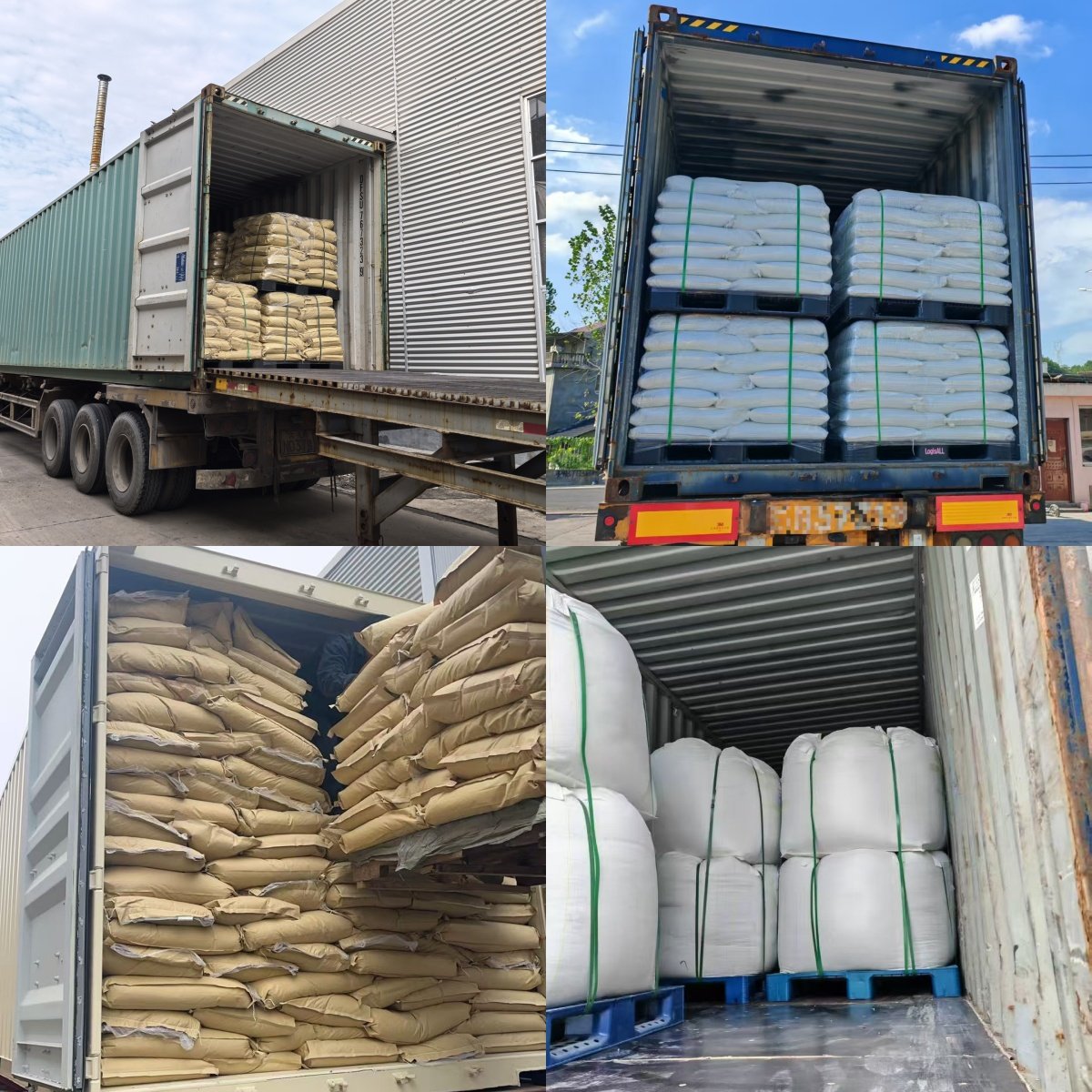
Domestic Shipping Considerations
Truck transportation within countries follows established rate structures. Distance, weight, and delivery requirements determine shipping costs. Most suppliers can provide accurate shipping quotes based on your location.
Rail transport might offer cost savings for large volume shipments. However, rail access and scheduling constraints can affect delivery flexibility. Road transport provides more scheduling control but might cost slightly more per ton.
International Ocean Freight Factors
Ocean freight rates fluctuate based on global shipping demand and fuel costs. However, these rates apply equally to all suppliers shipping from the same region. The shipping cost itself rarely creates competitive advantages between suppliers.
Container utilization affects per-ton shipping costs. Full container loads (FCL) offer better rates than less-than-container loads (LCL). Planning your order quantities around container capacities can reduce transportation costs.
Port charges, customs clearance, and inland delivery from destination ports add to total transportation costs. Working with experienced freight forwarders13 helps optimize these expenses.
Conclusion
PVC granule pricing depends on raw material quality, production efficiency, and transportation logistics. Understanding these factors helps you evaluate supplier quotes more effectively and make informed purchasing decisions.
Explore this link to understand the key elements that affect PVC granule pricing and make informed purchasing decisions. ↩
Learn how raw material costs impact the pricing of PVC and why it's crucial for buyers to consider these factors. ↩
Discover the various production expenses that can influence PVC granule prices and how they vary by region. ↩
Understand the role of transportation fees in PVC pricing and how they can impact your overall costs. ↩
Explore the different types of PVC resin and their impact on pricing to make better purchasing choices. ↩
Learn about the various plasticizers and how they create price gaps in PVC granule costs. ↩
Find out how different lubricants can impact the quality and pricing of PVC granules. ↩
Explore the different types of calcium carbonate fillers and their effects on PVC pricing and performance. ↩
Discover the importance of equipment maintenance in PVC production and its effect on pricing. ↩
Understand how labor costs can influence PVC production expenses and overall pricing. ↩
Explore the standard shipping rates for PVC granules to better understand transportation costs. ↩
Learn how ocean freight charges can impact the final pricing of PVC granules. ↩
Find out how experienced freight forwarders can help optimize transportation costs for PVC. ↩
