
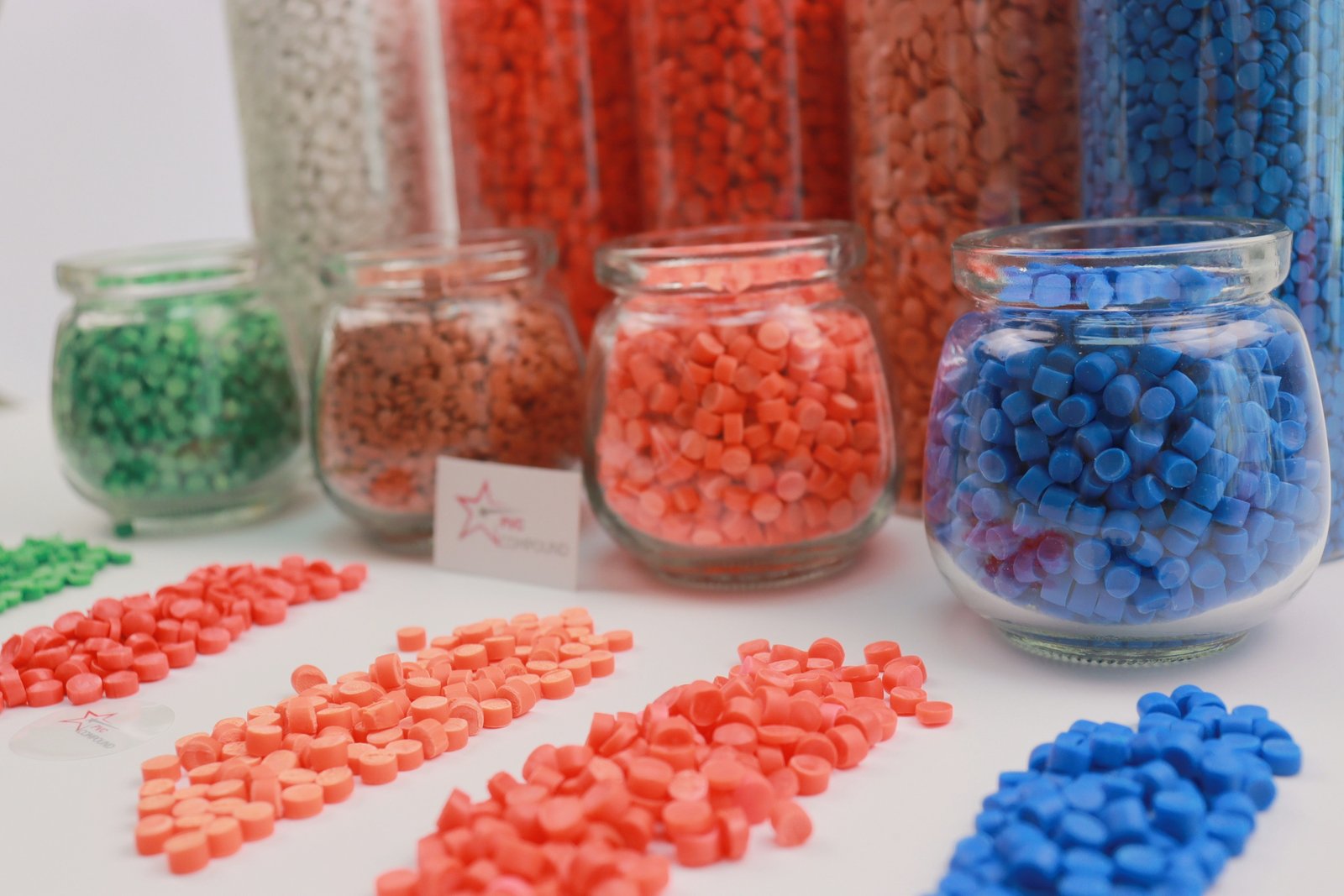
Are you struggling to understand what makes UPVC extrusion granules suitable for your manufacturing needs? Many manufacturers face confusion when selecting the right material properties for their specific applications.
UPVC extrusion granules are rigid PVC compounds designed for profiles, pipes, and transparent products. They offer excellent flow properties, UV resistance, and can be customized with additives like titanium dioxide for opacity or organic tin stabilizers for transparency.1
Understanding these characteristics becomes crucial when you need to make informed decisions about your raw material selection. Let me walk you through the essential properties that define quality UPVC extrusion granules.
What Applications Drive UPVC Extrusion Granule Requirements?
The demanding nature of extrusion applications creates specific performance needs. Different end products require different material characteristics to meet their operational requirements.
UPVC extrusion granules serve window profiles, pipes, transparent tubes, rods, and specialty products. Each application demands specific properties like UV resistance for outdoor use or transparency for packaging applications.
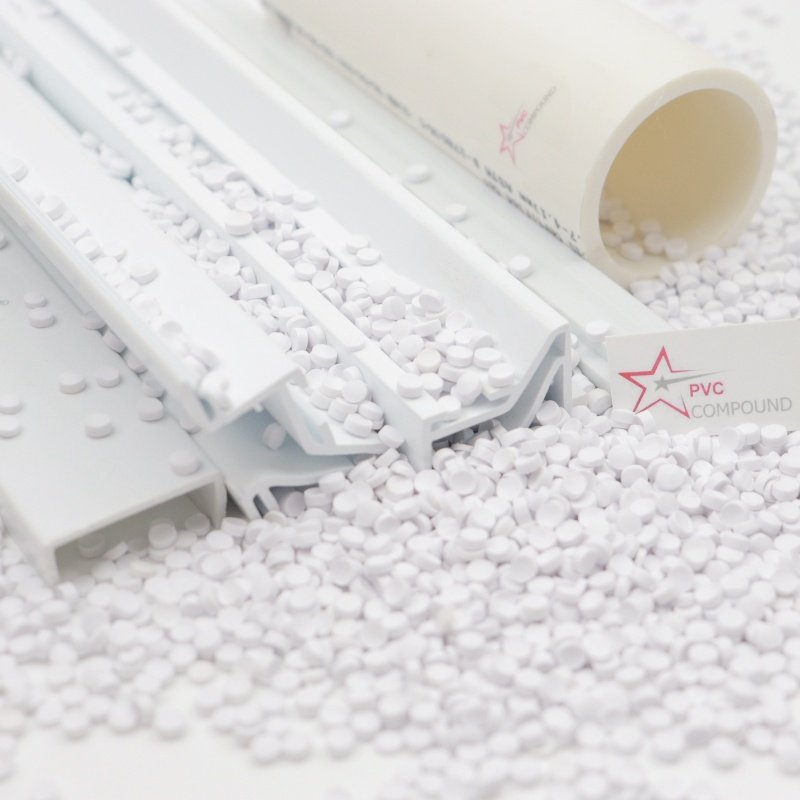
The diversity of extrusion applications shapes how we formulate these granules. Window and door profiles need to withstand years of outdoor exposure.2 I've seen many projects fail because manufacturers chose granules without proper UV protection. The profiles became brittle and discolored within months.
Pipe applications present different challenges. These products need high impact strength to handle installation stress.3 Some specialty pipes must meet pressure ratings or fire safety requirements. The base formulation must account for these performance demands from the start.
Transparent products like IC packaging tubes require a completely different approach.4 These applications need crystal-clear material with antistatic properties. The challenge lies in maintaining transparency while adding functional additives. Many suppliers compromise on clarity to reduce costs, but this creates downstream problems for manufacturers.
| Application Type | Key Requirements | Critical Additives |
|---|---|---|
| Window Profiles | UV resistance, weatherability | UV absorbers, impact modifiers |
| Pipe Systems | Impact strength, pressure rating | Impact modifiers, processing aids |
| Transparent Products | Clarity, antistatic properties | Organic tin stabilizers, antistatic agents |
How Do Flow Properties Affect Extrusion Performance?
Poor flow characteristics create processing headaches that cost time and money. The molecular structure of UPVC granules directly impacts how they behave during extrusion processing.
Excellent flow properties ensure smooth extrusion, consistent wall thickness, and high surface gloss.5 Poor flow leads to processing difficulties, surface defects, and increased energy consumption during manufacturing.6
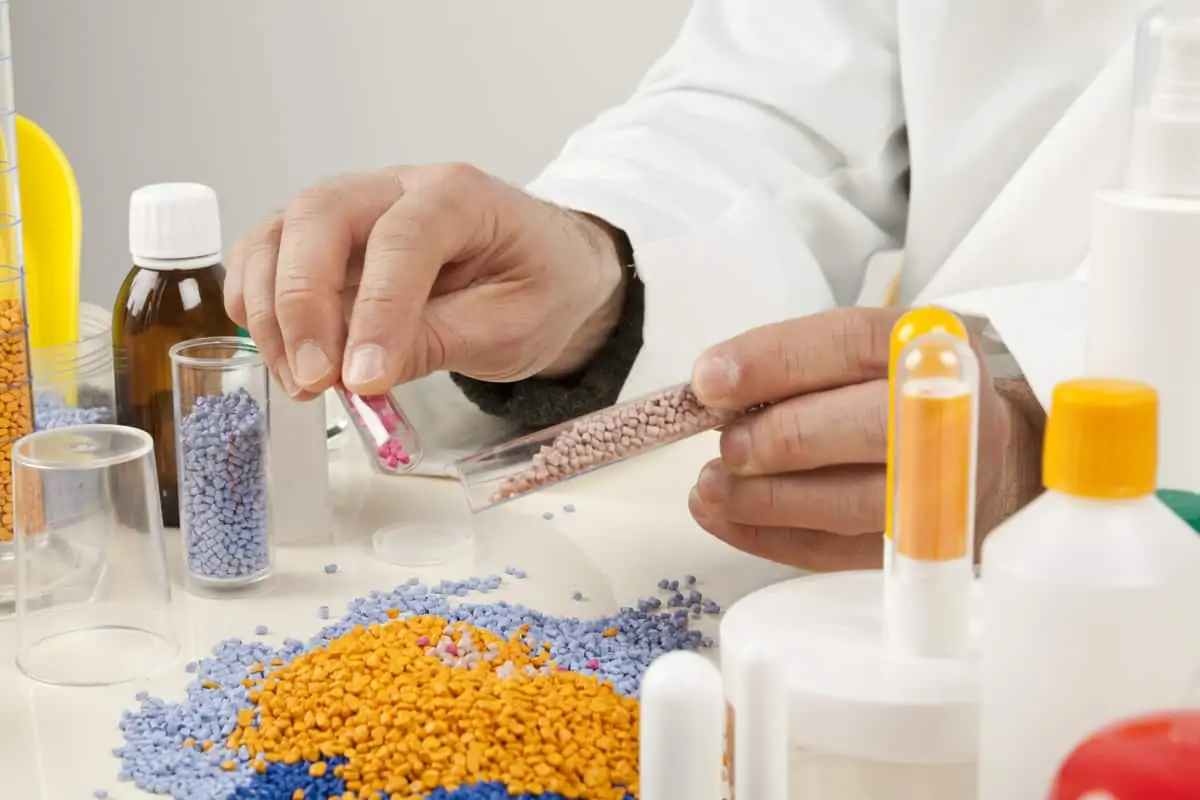
Flow properties determine everything about your extrusion success. When granules have poor flow, you'll notice increased torque on your extruder. The material doesn't melt uniformly, creating weak spots in your final product. I've worked with manufacturers who spent weeks troubleshooting extrusion problems, only to discover their granules had inadequate flow characteristics.
Why Does UV Resistance Matter for Outdoor Applications?
Ultraviolet radiation destroys polymer chains over time, leading to brittleness and color changes.7 Outdoor applications face this challenge every day of their service life.
UV resistance prevents degradation from sunlight exposure, maintaining mechanical properties and appearance. Without proper UV protection, UPVC products become brittle, discolored, and fail prematurely in outdoor environments.
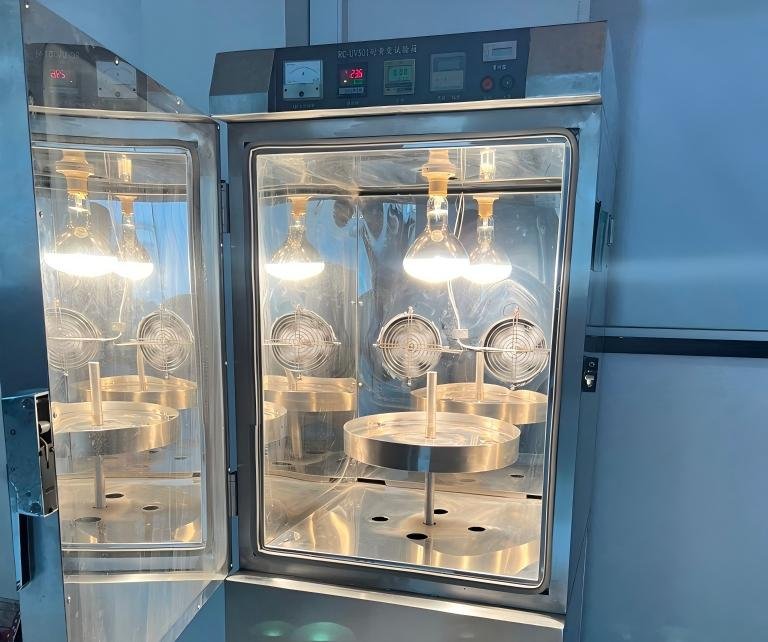
The science behind UV degradation shows why protection matters so much. When UV light hits unprotected PVC, it breaks the polymer chains. This process starts immediately upon exposure and continues throughout the product's life. I've analyzed failed window profiles that showed significant degradation within just two years of installation.
UV absorbers work by converting harmful radiation into harmless heat.8 These additives act like sunscreen for your polymer, absorbing the damaging wavelengths before they can break molecular bonds. The key lies in using enough absorber to provide long-term protection without affecting other properties.
Different geographic locations require different UV protection levels. Tropical regions with intense sunlight need higher concentrations of UV absorbers. Northern climates can use lower levels while still achieving acceptable service life. Your granule supplier should understand these regional requirements and adjust formulations accordingly.
The economic impact of UV resistance becomes clear when you consider replacement costs. Properly protected profiles can last 20-30 years in outdoor service.9 Unprotected materials might need replacement within 5-10 years, creating significant cost burdens for end users and reputation damage for manufacturers.
What Role Does Titanium Dioxide Play in White Formulations?
White UPVC products need opacity to prevent light transmission and maintain color stability. Titanium dioxide provides the whiteness and hiding power necessary for these applications.
Titanium dioxide creates opacity, brightness, and UV reflection in white UPVC formulations.10 Higher loadings improve hiding power but increase density and cost. The optimal balance depends on specific opacity requirements and weight restrictions.
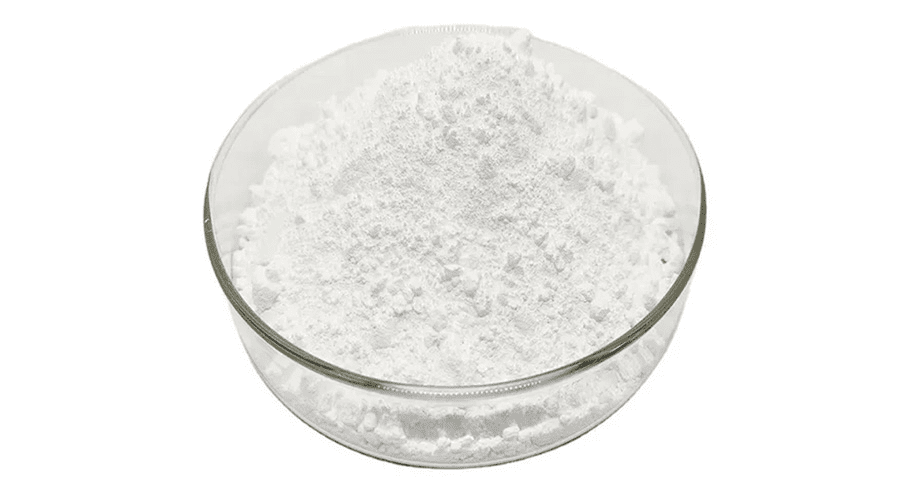
The hiding power of titanium dioxide determines how much you need for complete opacity. Lower quality grades require higher loadings to achieve the same effect, increasing both cost and weight. This becomes particularly important for window profiles where weight affects hardware performance and installation ease.
Particle size distribution affects both opacity and processing behavior. Finer particles provide better hiding power but can create processing challenges. Larger particles process more easily but might not provide complete opacity at reasonable loading levels. Quality suppliers optimize particle size distribution for the best balance of properties.
Specific gravity increases significantly with titanium dioxide loading. White formulations typically contain 8-15% titanium dioxide, adding substantial weight to the final product. For applications where weight matters, you need to balance opacity requirements against weight restrictions. Sometimes partial opacity with lower titanium dioxide loading provides an acceptable compromise.
Surface treatment of titanium dioxide particles affects compatibility with the PVC matrix. Properly treated particles disperse evenly and maintain stability during processing. Untreated or poorly treated particles can cause color variations, processing difficulties, or long-term stability problems.
How Do Organic Tin Stabilizers Enhance Transparency?
Transparent UPVC applications demand crystal-clear material with excellent heat stability. The choice of stabilizer system dramatically affects both transparency and processing performance.
Organic tin stabilizers provide superior transparency compared to other stabilizer systems while maintaining excellent thermal stability. They enable crystal-clear products essential for packaging, medical, and optical applications.
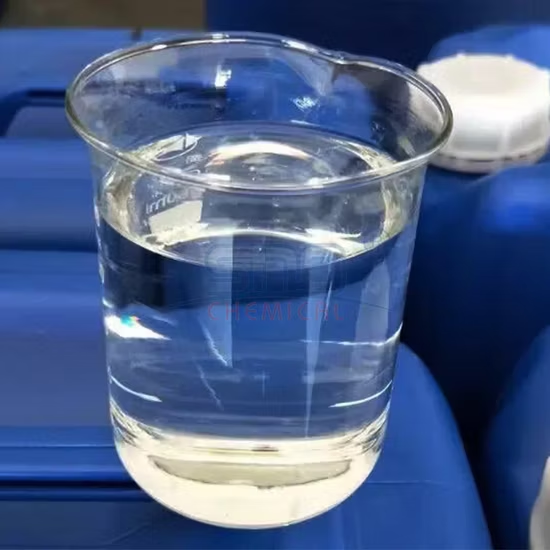
The transparency difference between stabilizer systems becomes obvious when you compare samples side by side. Lead-based systems, while effective for heat stability, create a slight haze that's unacceptable for clear applications. Calcium-zinc systems offer good clarity but sometimes lack the thermal stability needed for demanding processing conditions.
Organic tin stabilizers work by preventing degradation reactions that create color-forming compounds. When PVC degrades, it forms conjugated double bonds that absorb visible light, creating yellow or brown coloration. Tin stabilizers interrupt these reactions, maintaining the colorless state essential for transparency.
Processing temperature windows become more forgiving with quality tin stabilizers. You can run higher temperatures for better flow without risking color development. This flexibility helps optimize processing conditions for complex profiles or thick-walled products that need extended residence times in the extruder.
Long-term clarity maintenance sets organic tin systems apart from alternatives. Some stabilizers provide good initial clarity but allow gradual color development during storage or use. Quality tin stabilizers maintain transparency throughout the product's service life, ensuring consistent appearance and performance.
Conclusion
UPVC extrusion granules combine flow properties, UV resistance, and specialized additives to meet diverse application requirements, ensuring optimal performance across all manufacturing conditions.
"Substituted Organotin Complexes of 4-Methoxybenzoic Acid for ...", https://pmc.ncbi.nlm.nih.gov/articles/PMC8621606/. A polymer additives reference supports that PVC formulations can be modified with stabilizers, pigments such as titanium dioxide, and other additives to alter processability, opacity, weathering performance, and clarity; it does not establish that all UPVC granules possess excellent flow or UV resistance. Evidence role: general_support; source type: education. Supports: UPVC extrusion compounds can be customized with additives such as titanium dioxide and organotin stabilizers to achieve specific properties.. Scope note: Supports the formulation principle, but individual properties depend on additive package and processing conditions. ↩
"[PDF] Effects of Weathering and Formulation on the Properties of Vinyl ...", https://nvlpubs.nist.gov/nistpubs/TechnicalNotes/NIST.TN.2304.pdf. A standards or building-materials source supports that PVC window and door profiles are exterior building components subject to long-term weathering, including sunlight, heat, and moisture exposure; such sources generally define performance requirements rather than predicting service life for every installation. Evidence role: expert_consensus; source type: institution. Supports: Window and door profiles require weatherability for prolonged outdoor exposure.. Scope note: Performance requirements vary by standard, climate, and profile formulation. ↩
"[PDF] Installation Guide for iPVC Pipe", https://cuire.uta.edu/_documents/4650B.PDF. A PVC pipe standard or engineering reference supports that plastic pipe performance is evaluated for mechanical properties such as impact resistance and strength, which are relevant during handling and installation; it does not quantify the exact impact strength required for all pipe applications. Evidence role: expert_consensus; source type: institution. Supports: PVC pipe applications require impact strength to withstand handling and installation stresses.. Scope note: Specific requirements depend on pipe standard, diameter, wall thickness, pressure class, and installation method. ↩
"IC Tubes - ESD Packaging - SEWATE", https://sewate.com/product/ic-tubes/. A packaging or electronics-materials reference can support that carrier tubes for integrated circuits require controlled transparency and antistatic or electrostatic-discharge properties; this evidence would contextualize the material requirements rather than prove that UPVC is always used. Evidence role: case_reference; source type: institution. Supports: IC packaging tubes have distinct requirements such as clarity and antistatic performance compared with ordinary opaque PVC profiles or pipes.. Scope note: The source may address IC packaging tubes generally and may include materials other than UPVC. ↩
"Impact of Rheology-Based Optimum Parameters on ... - PMC", https://pmc.ncbi.nlm.nih.gov/articles/PMC11085430/. A polymer processing textbook or paper supports that melt rheology affects extrusion stability, dimensional uniformity, and extrudate surface quality; the relationship is general and does not specify a universal flow-property threshold for UPVC granules. Evidence role: mechanism; source type: education. Supports: Flow properties influence extrusion stability, wall-thickness consistency, and surface quality.. Scope note: The exact outcome depends on die design, temperature profile, shear rate, and formulation. ↩
"The Modelling of Extrusion Processes for Polymers—A Review - PMC", https://pmc.ncbi.nlm.nih.gov/articles/PMC7361957/. Polymer extrusion literature supports that unfavorable melt rheology can increase extruder torque or pressure and contribute to unstable flow and extrudate defects; energy effects are process-dependent and may require a source focused on extrusion power consumption. Evidence role: mechanism; source type: paper. Supports: Poor flow characteristics can create processing difficulties, surface defects, and higher extrusion energy demand.. Scope note: Supports the mechanism broadly, but energy consumption varies with equipment, throughput, and temperature settings. ↩
"Photodegradation and photostabilization of polymers, especially ...", https://pmc.ncbi.nlm.nih.gov/articles/PMC4320144/. A polymer photodegradation review supports that ultraviolet exposure can initiate chemical degradation in polymers, including chain scission and oxidation, which may reduce mechanical properties and cause discoloration; the exact degradation pathway varies by polymer and stabilizer package. Evidence role: mechanism; source type: paper. Supports: UV radiation can degrade polymer chains over time, causing embrittlement and color changes.. Scope note: General photodegradation evidence; PVC-specific behavior depends on formulation and exposure conditions. ↩
"Modifications of Polymers through the Addition of Ultraviolet ... - PMC", https://pmc.ncbi.nlm.nih.gov/articles/PMC8747282/. A polymer-stabilization reference supports that UV absorbers protect polymers by absorbing ultraviolet radiation and dissipating the absorbed energy, commonly as heat; this explains the mechanism but does not establish adequacy of any specific additive loading. Evidence role: mechanism; source type: education. Supports: UV absorbers protect polymers by absorbing UV radiation and dissipating it as less harmful energy such as heat.. Scope note: Protection depends on absorber chemistry, concentration, dispersion, and exposure environment. ↩
"Upvc windows longevity and durability concerns - Facebook", https://www.facebook.com/groups/MyEfficientElectricHome/posts/7241927465851634/. A building-materials life-cycle or industry-independent durability study can support that properly formulated PVC-U window profiles have reported service lives on the order of decades; such evidence is contextual and does not guarantee 20–30 years for every climate or installation. Evidence role: statistic; source type: research. Supports: Properly stabilized PVC profiles can have outdoor service lives measured in decades, including the 20–30 year range.. Scope note: Service life varies with climate, stabilizer system, installation quality, color, and maintenance. ↩
"[PDF] DuPont™ Ti-Pure® titanium dioxide", https://ptacts.uspto.gov/ptacts/public-informations/petitions/1557529/download-documents?artifactId=Kq9HPXxZwkHZSb1s7Mpk3BpmIv2Bf9iHG5eRE-9TRCdrLP4B0ZTIdR8. A pigment or materials-science reference supports that titanium dioxide is a high-refractive-index white pigment used to provide opacity and brightness and can scatter or attenuate ultraviolet light; this supports the functional role of TiO2 but not an optimal loading for a specific UPVC product. Evidence role: mechanism; source type: education. Supports: Titanium dioxide provides opacity, brightness, and UV-related light scattering or reflection in white UPVC formulations.. Scope note: Effectiveness depends on TiO2 grade, particle size, surface treatment, dispersion, and concentration. ↩
